
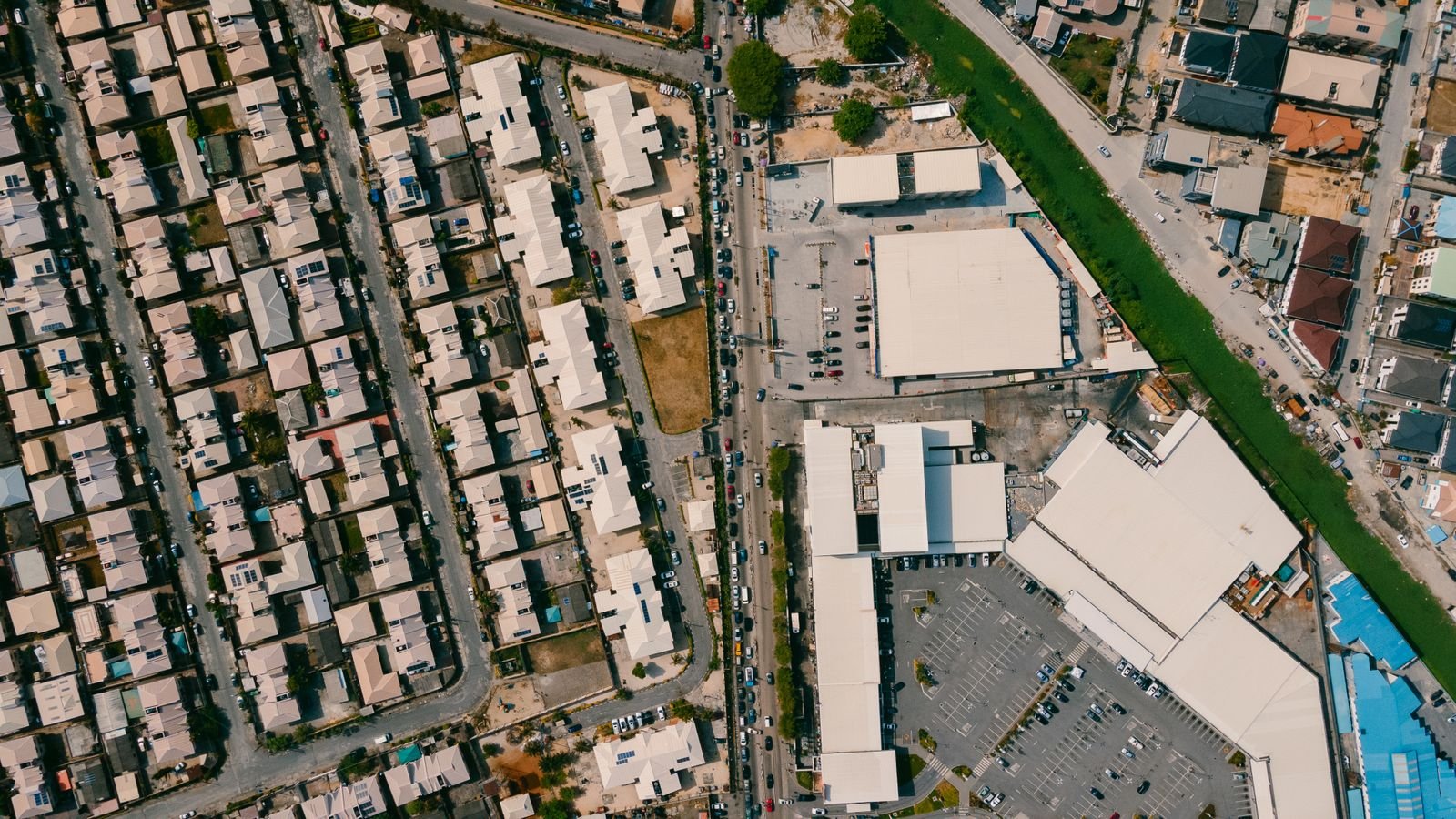
Abuja's property market in 2026 is stabilising, not booming. Inflation has cooled to around 14.45%, interest rates are starting to ease, and prices are set to grow at a single-digit to mid-teens pace depending on location. The old approach of buying anything, anywhere, no longer works. This note explains what the data says, and what it means for anyone putting money into property this year.
Real estate has always rewarded patience. But 2026 is a year where timing and location matter more than usual. The macro headwinds of the past few years are easing. At the same time, the market is rewarding precision over speculation. Here is how we read it.

The macro picture is improving
For the first time in years, the numbers are moving in the investor's favour.
Inflation has cooled to around 14.45%, its lowest in more than three years, and the Central Bank of Nigeria has begun cutting interest rates in response. Foreign exchange conditions are steadier too, which matters in a market where property has long been a hedge against currency depreciation. Together, these point to improving affordability through the rest of 2026.
This is not a market in free flight. Nigeria's real estate sector is expected to grow at a measured, single-digit pace this year. Think of 2026 as a year of balance after several volatile cycles, not one of sharp price surges. Investors chasing quick, outsized gains across the board will likely be disappointed. Investors targeting the right submarkets will not.
The housing deficit still drives everything
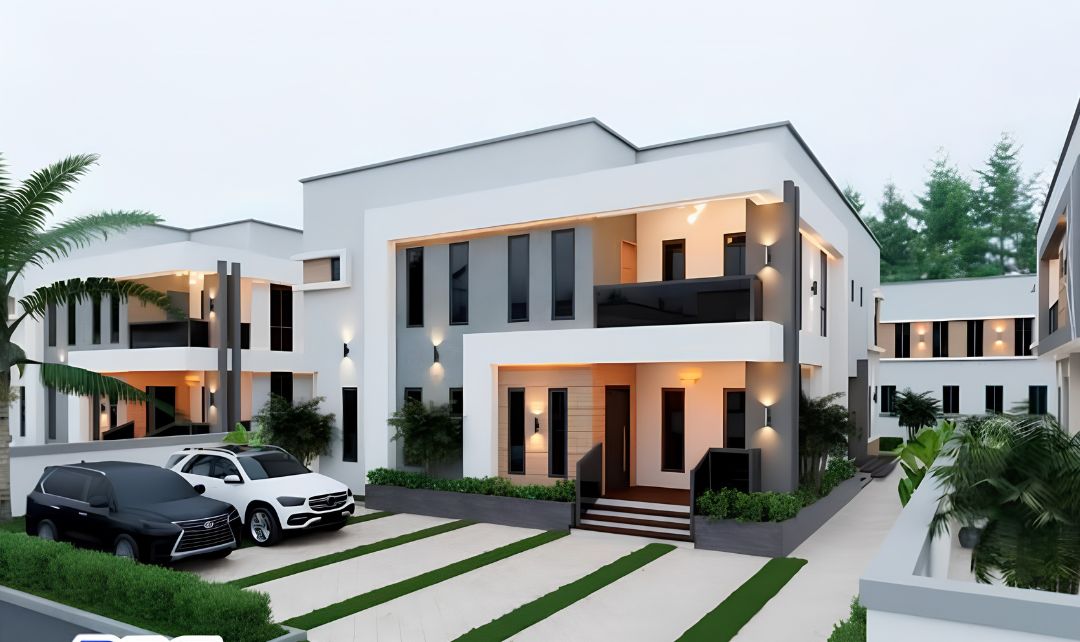
Nothing shapes Nigeria's property fundamentals like the housing deficit. It sits somewhere between 22 and 28 million units, and it is not closing soon.
The maths is simple. Developers deliver roughly 100,000 new units a year against demand estimated at 300,000 or more. That imbalance is the engine behind rising rents and firm capital values. It is why long-term investors keep treating documented Nigerian residential property as a store of value, even through short-term noise.
Urbanisation adds to it. With the population approaching 240 million and millions moving into cities each year, demand for well-located, secure housing is not going away. In Abuja, that shows up as steady pressure from a young, growing workforce looking for homes near government and corporate employment. You can see the figures the National Bureau of Statistics publishes on population and prices if you want the raw data.
What does this mean for you as a buyer? It means a well-chosen home is unlikely to sit empty. The deficit is not an abstract statistic. It is the reason a documented three-bedroom in a serviced estate near a growing employment hub finds tenants quickly and holds its resale value. Supply is not catching up with demand any time soon, so the floor under prices in the right areas is firmer than the headlines about a tough economy would suggest.
Abuja is where the growth is concentrated
Abuja shows why "location" has become a more precise word than it used to be. Infrastructure spending is doing the heavy lifting.
The Maitama II District extension alone carries a budget north of ₦300 billion. Add the Abuja Metro Light Rail expansion, road rehabilitation on arteries like the Outer Southern Expressway, and the City Walk project along the Lugbe corridor. Wherever the FCT Administration is investing in roads, utilities, and transit, property values tend to follow.
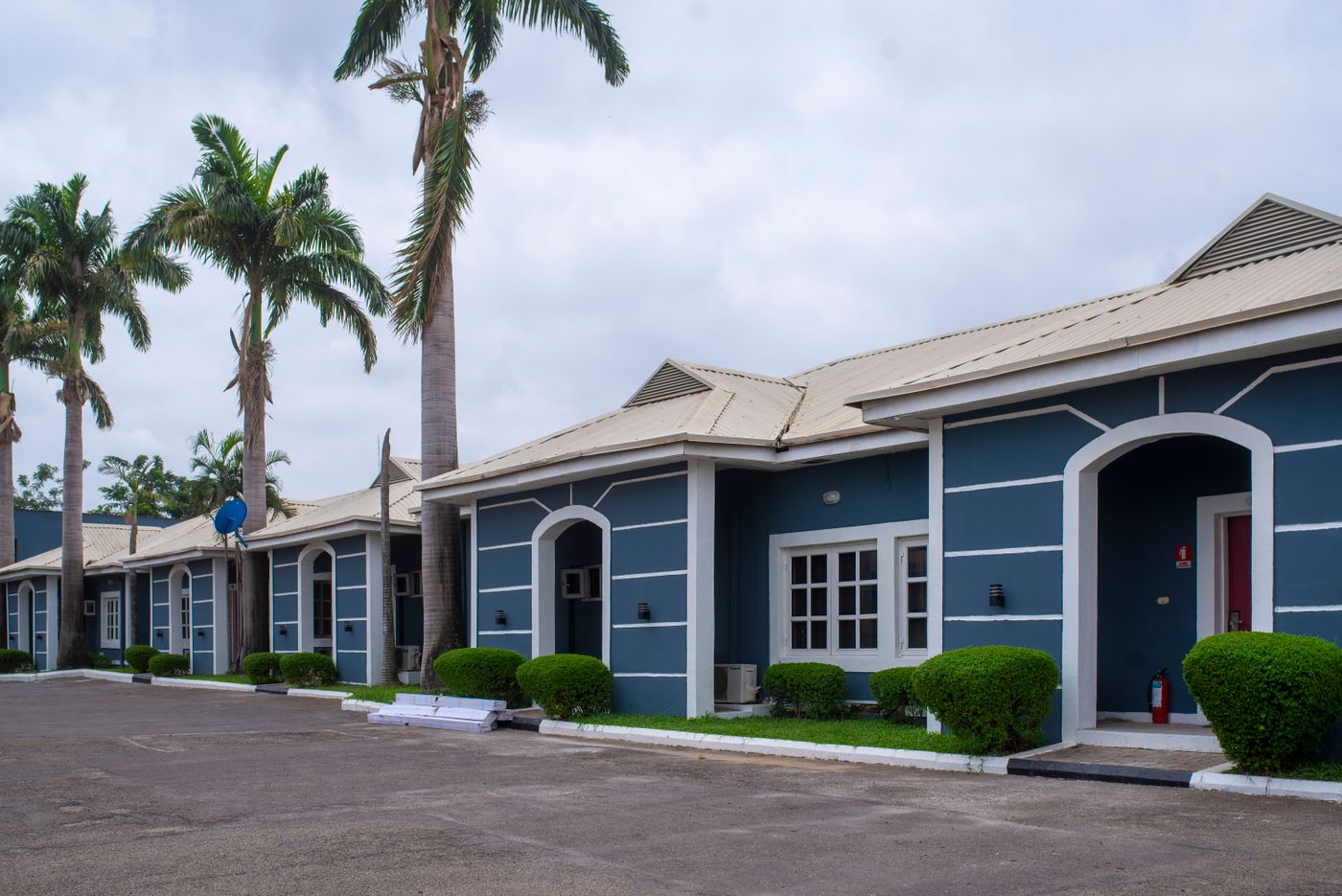
The neighbourhoods benefiting most reflect that pattern. Lugbe, Kubwa, Kuje, and Sauka are projected to see annual price growth in the range of 15 to 20%, driven by better access and demand from young families and diaspora buyers. At the premium end, Maitama, Asokoro, and Wuse II stay the districts of choice for office holders, diplomats, and senior executives, which keeps that segment insulated from the affordability pressure the wider market feels. Rental yields across the city should hold in the 6 to 8% range in well-chosen locations, with occupancy staying high on government employment cycles and population inflow.

What has actually changed for investors
A few shifts are worth internalising this year.
Mortgages still are not the answer. High rates keep mortgage finance on the margins, so most transactions stay cash-based. That insulates the market from credit-driven boom and bust, but it means liquidity and readiness matter more than financing structure.
Overpriced listings are getting exposed. In saturated luxury pockets, some properties sit for six to nine months without a buyer. That is a clear sign sellers are still pricing above what the market will bear. This is a year to negotiate, not to overpay for fear of missing out.
Election-cycle caution is real. With pre-election dynamics ahead, expect some delay on long-term, government-dependent projects, and possibly a dip in foreign investment like past pre-election periods. Short-term rentals and election-linked commercial space may see a temporary bump, but treat 2026 and 2027 government-linked projects with a longer horizon in mind.
Diaspora capital keeps flowing in. Remittances, estimated at more than 20 billion dollars a year, continue to channel into residential property in Lagos and Abuja. That steady demand is one reason mid-market and premium homes in secure estates have held their value even when affordability is strained.
Practical takeaways for 2026
For anyone weighing where to put capital right now, the data points to a few sensible principles:
- Favour locations tied to visible, funded infrastructure, not speculative land
- Expect mid-single-digit rental yields, and treat that as healthy rather than disappointing
- Be willing to negotiate hard in segments showing longer days on the market
- Hold a realistic time horizon given the pre-election uncertainty ahead
None of this is dramatic. That is the point. The investors who do well in a balanced market are the ones who match their expectations to the data, not the hype.
One more principle worth stating plainly. In a year like this, patience beats panic in both directions. Do not rush into an overpriced luxury unit for fear of missing a boom that is not coming. And do not sit entirely on the sidelines waiting for a crash that the housing deficit makes unlikely in well-located stock. The middle path, buying documented property in a funded-infrastructure corridor at a fair price, is where the sensible money is going.

How Pentagon Homes helps you invest in this market
This is where an informed partner on the ground earns its keep.
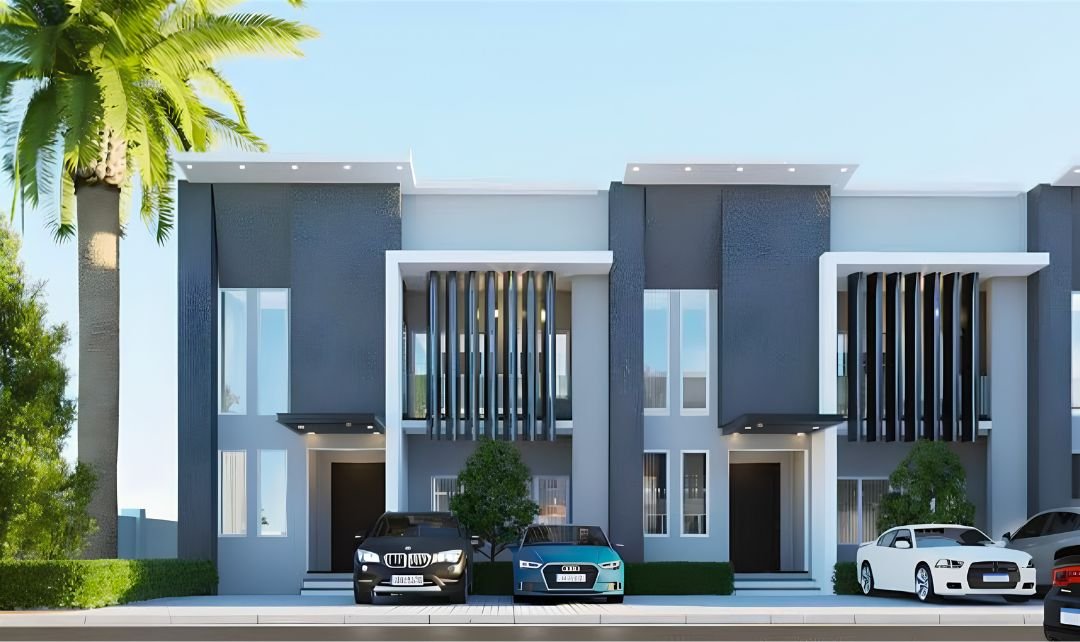
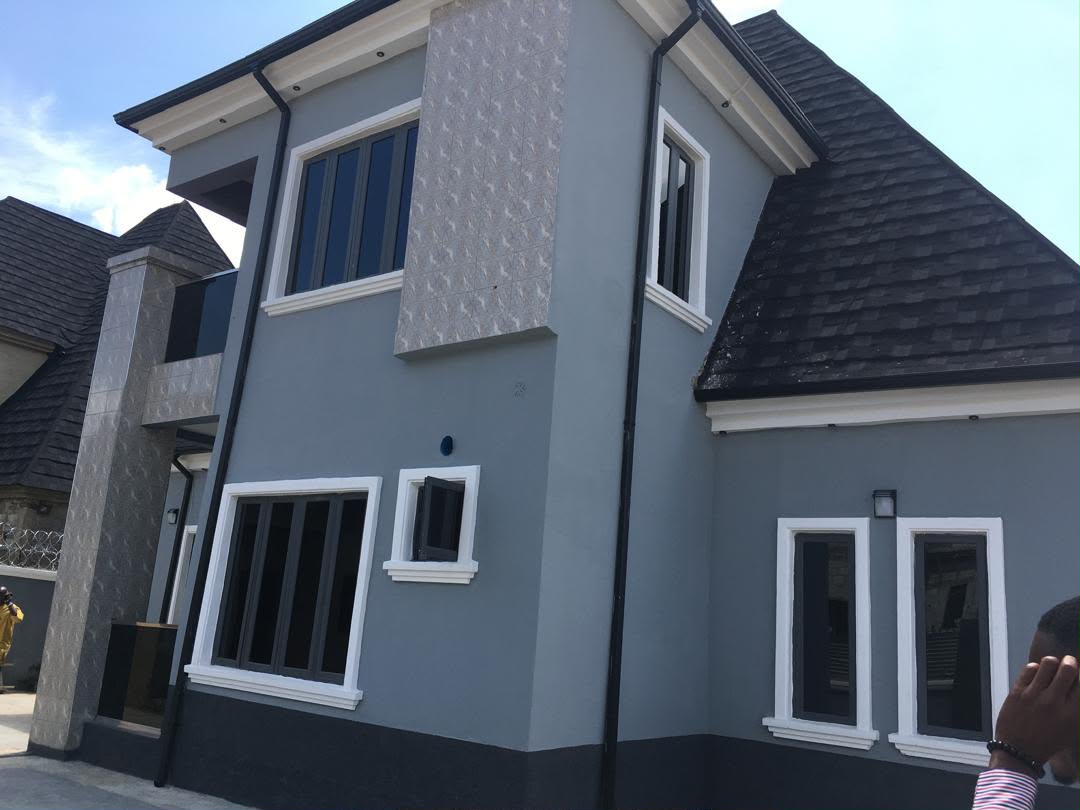
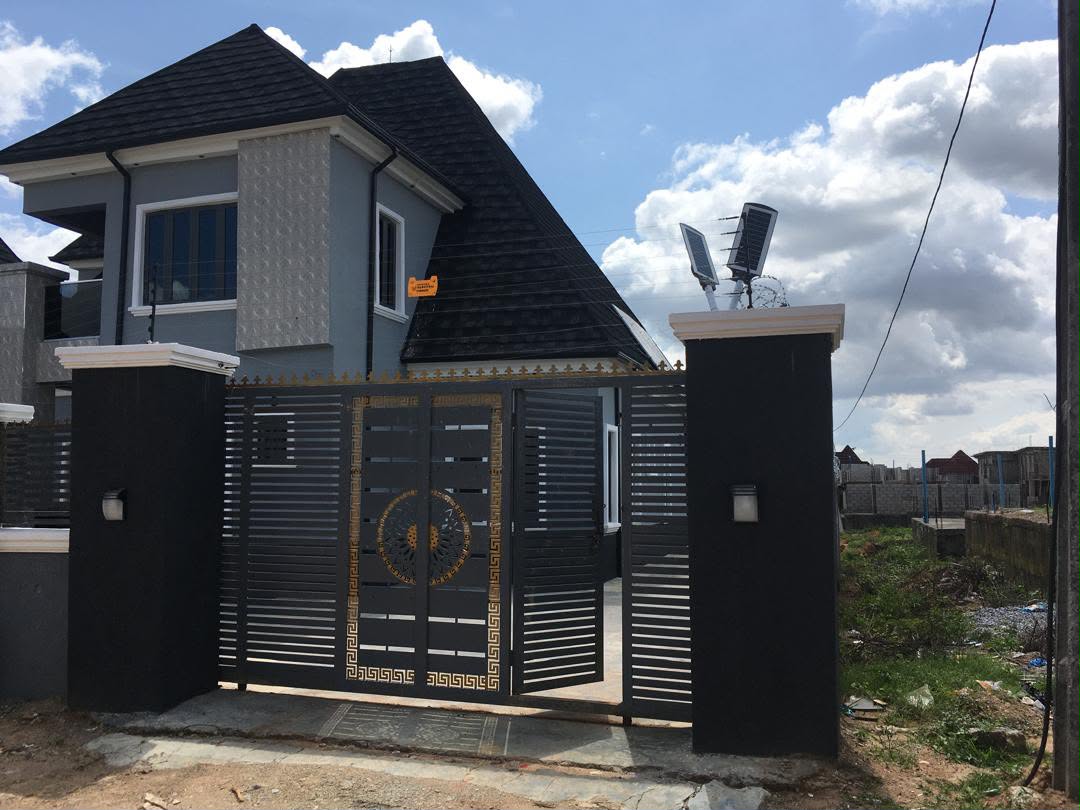
We focus on the corridors the data favours. Our estates sit in exactly the areas projected for 15 to 20% growth: De-Residence in Lugbe, King's Court in Kubwa, Comfort City Annex in Kuje, and Peace City in Sauka. We verify documentation and title before we list a property, because in this market that remains a persistent risk, not a formality. Confirm any plot yourself through an AGIS search as well.
Most of all, we match strategy to realistic yield and growth expectations, not to the hype that too often surrounds Nigerian real estate. If a property does not fit the numbers, we will tell you. Compare current prices on our properties and pricing page, or see finished homes on our properties for sale page.
Frequently asked
See the FAQ section below for short answers to the questions investors ask us most about the 2026 market.
Still not sure? Send us a message.
Tell us your budget and goal, income now or growth over the next few years, and we will point you to the corridors and property types the data actually supports. No hype, just the numbers.
Pentagon Homes: +234 (90) 48098852. Open Monday to Saturday.
What buyers usually ask us
Is 2026 a good time to invest in Abuja real estate?
Yes, but selectively. 2026 looks like a year of balance rather than a boom. Inflation is cooling, interest rates are easing, and prices are growing at a measured pace. Investors who target the right corridors will do well. Those expecting quick, outsized gains across the board will be disappointed.
Which Abuja areas will grow the most in 2026?
Lugbe, Kubwa, Kuje, and Sauka are projected to see annual price growth of around 15 to 20%, driven by infrastructure and demand from young families and diaspora buyers. Premium districts like Maitama, Asokoro, and Wuse II stay strong but grow more slowly.
What rental yield can I expect in Abuja right now?
Around 6 to 8% a year in well-chosen locations, with high occupancy supported by government employment cycles and population inflow. Treat mid-single-digit yields as healthy for this market rather than disappointing.
Are Abuja property prices going up in 2026?
On average, yes, but at a single-digit to mid-teens pace depending on location. Emerging areas tied to funded infrastructure sit at the higher end. Saturated luxury pockets are flat, and some overpriced listings are sitting unsold for six to nine months.
Should I use a mortgage to buy property in Abuja?
Most Abuja transactions are still cash-based because mortgage rates remain high. That keeps the market insulated from credit-driven boom and bust, but it means your liquidity and readiness to move matter more than any financing structure.
Is Nigerian real estate still a good hedge against inflation?
Yes. Documented residential property has held its value through naira weakness, which is a large part of why diaspora capital, over 20 billion dollars a year in remittances, keeps flowing into homes in Abuja and Lagos.