
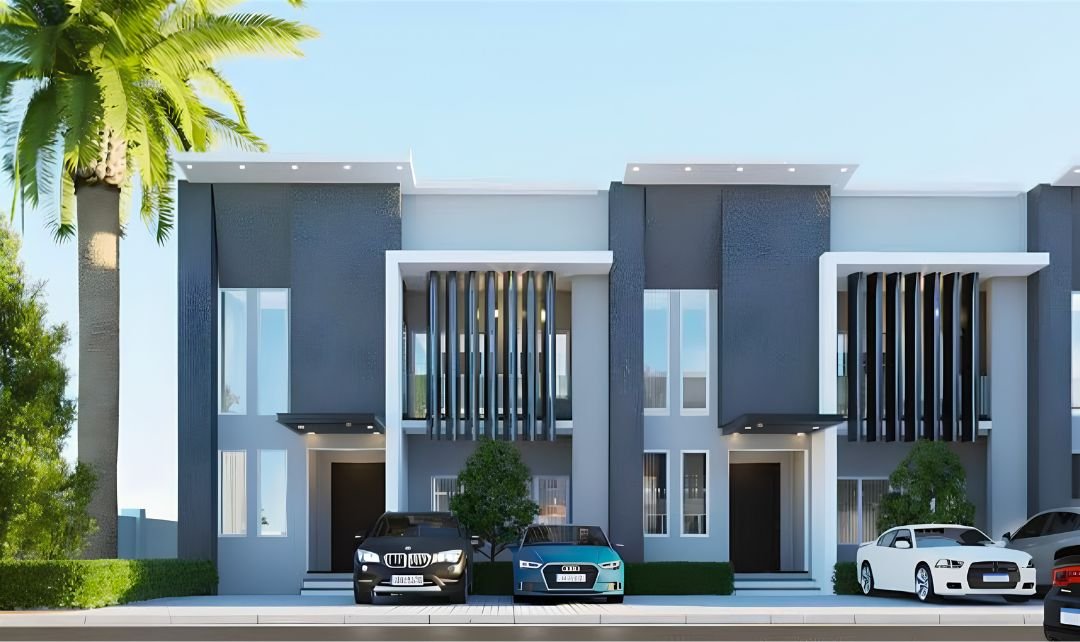
Short-term real estate investment means buying, improving, and selling a property within months to a few years for a quick profit. Long-term investment means holding a property for years or decades to earn rent and watch it appreciate. Short-term is faster but riskier. Long-term is slower but steadier. This guide explains both, then shows which one fits the Nigerian market, using real figures from Abuja.
Real estate is one of the few assets in Nigeria that has kept pace with inflation over the past decade. The naira has lost value. Documented land and finished buildings in Abuja have held theirs. So the question for most investors is not whether to buy property. It is how to hold it: short or long. The answer changes your risk, your workload, and your returns.
What Short-Term Real Estate Investment Means
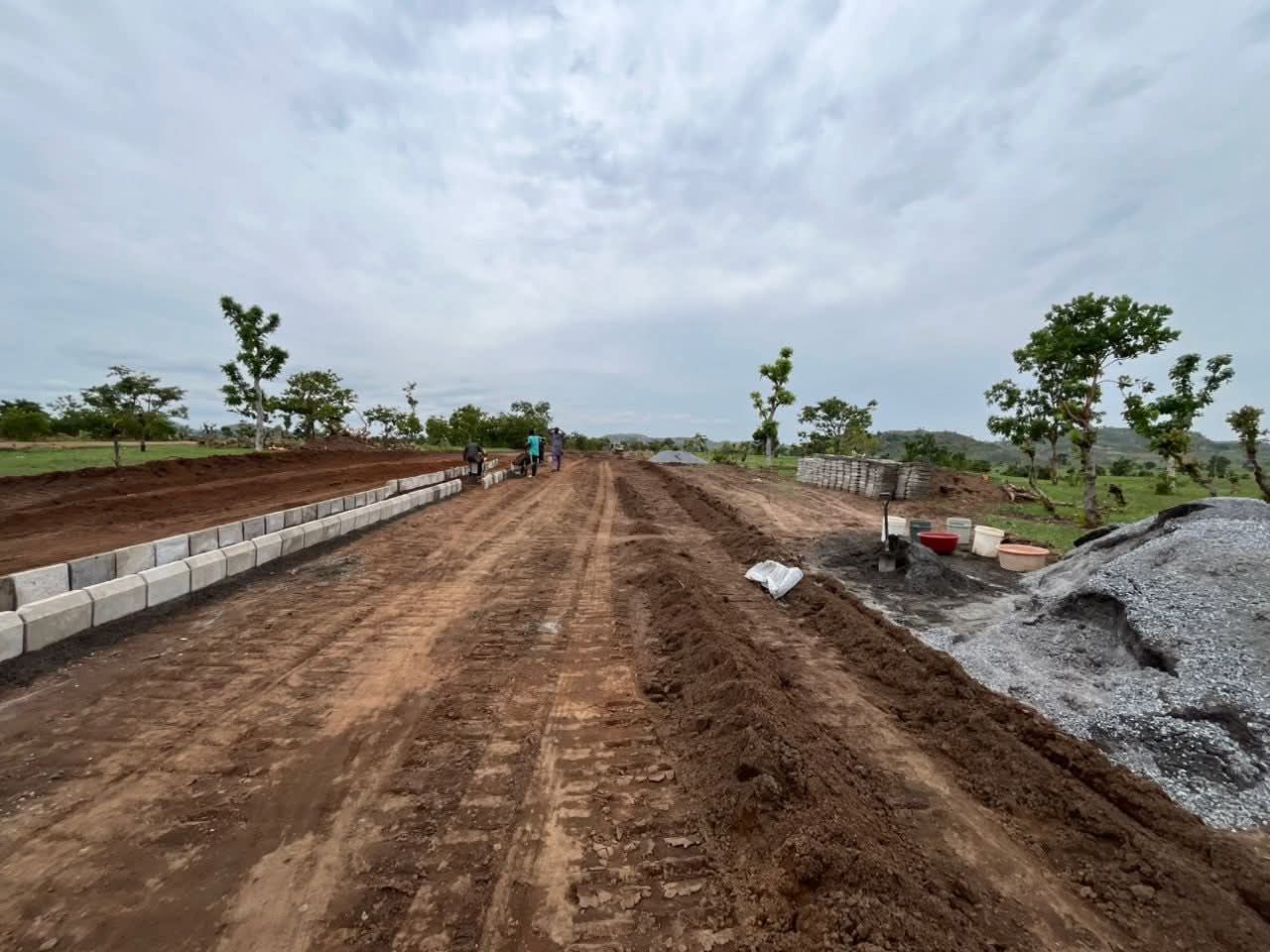
Short-term investment is about speed. You buy a property, add value, and sell within a few months to a few years. The profit comes from price appreciation or from the work you put in, not from rent collected over time.
Four strategies are common in Nigeria:
- Property flipping, buying below market and reselling at a higher price
- Renovating and reselling homes that need work
- Buying early in an emerging neighbourhood before prices rise
- Short-let and serviced apartments rented by the night or week
The upside is real. You can earn a profit within months instead of waiting years. Your capital is not locked away for a decade, so you stay liquid. And you can move on a good market window while it is open.
The risks are just as real. Transaction costs are high in Nigeria once you count agency fees, legal fees, and the cost of registering a transfer twice. A renovation can run over budget fast. If the market softens before you sell, you carry the property longer than planned. And a quick gain is taxed harder than a long-held one. Short-term works best for people who already know their exit before they buy. If you cannot say who will buy this property and roughly when, it is not a short-term play yet.

What Long-Term Real Estate Investment Means
Long-term investment is about patience. You buy a property and hold it for years or decades. The return comes from two places: rent paid month after month, and the gradual rise in the property's value.
Four strategies dominate the long-term side:
- Residential rental properties let to families on yearly tenancies
- Commercial real estate let to businesses
- Multi-family units, such as a block of flats with several income streams
- Land banking, buying documented land and holding it for future sale or development
The advantages are steady. Rent gives you consistent income. Values in well-chosen Abuja areas generally rise over time. You build equity as the asset appreciates, and a long-held property is treated more kindly at sale than a quick flip. In Lugbe and Gwarinpa, gross rental yields on documented residential property run between 6% and 10% a year. That beats most fixed-deposit rates, and the asset does not lose value the way idle cash does.
The challenges are about commitment. You need patience. You take on management, or you pay someone to do it. You will have vacancy periods between tenants. And you carry maintenance and repair costs for as long as you own. None of that is a dealbreaker. It is simply the cost of a slower, steadier return.

Short-Term vs Long-Term: The Honest Comparison
Set the two side by side and the trade-offs are clear.
Investment period. Short-term runs months to a few years. Long-term runs several years to decades.
Risk level. Short-term is higher. You are exposed to market timing and renovation surprises. Long-term is moderate. You can ride out a bad year.
Return speed. Short-term is fast. Long-term is gradual.
Cash flow. Short-term gives you a lump sum at sale and little in between. Long-term gives you consistent rental income.
Market dependence. Short-term depends heavily on selling into a strong market. Long-term is less sensitive to any single year.
Management effort. Short-term is intense while the project runs, then it ends. Long-term is lighter day to day but never fully stops.
Wealth building. Short-term produces quick profits. Long-term produces sustainable, compounding growth.
Neither is better in the abstract. The right one depends on your goal, your tolerance for risk, and how much time you can give it.
Which One Works in the Nigerian Market
It depends on who you are. Here is the honest version.
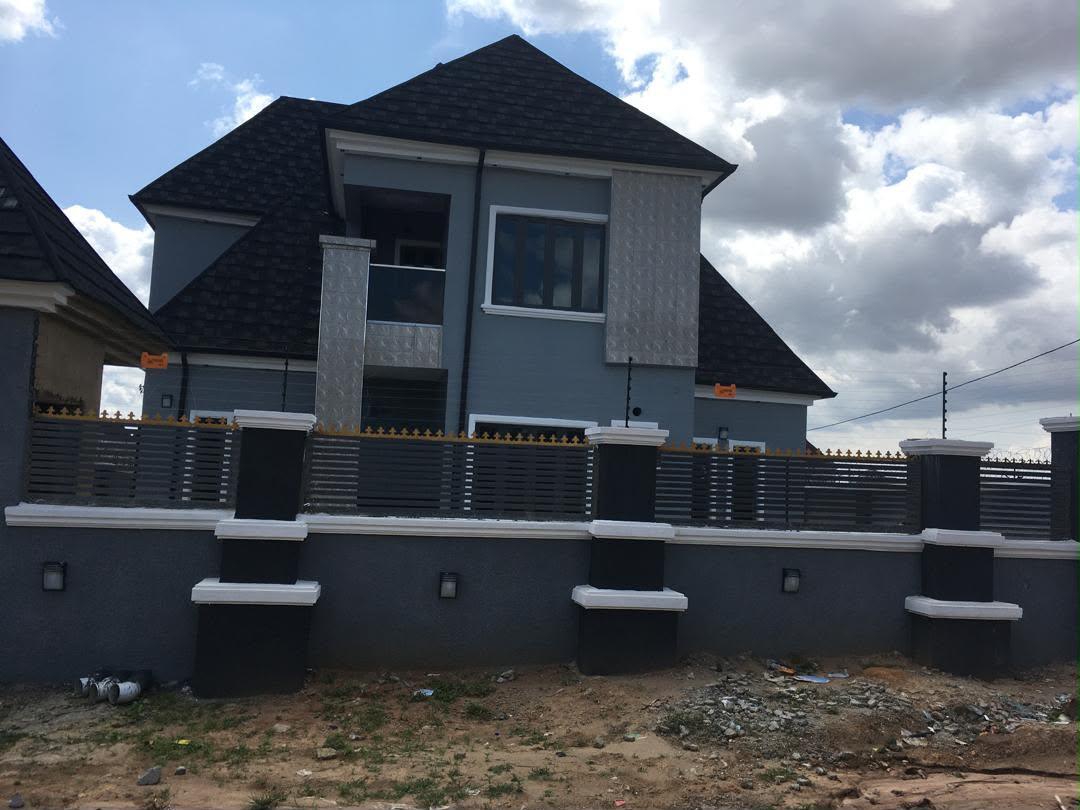
For a first-time investor in Abuja, long-term beats short-term almost every time. The reason is simple: documented land in FCT has appreciated consistently for over a decade, and rental yields in established areas sit between 6% and 10%. You do not need to be a skilled operator to benefit from that. You need a verified title and patience. Land banking in a growing corridor like Kuje, or a completed unit for rent in Lugbe, lets you start without taking on a renovation project you have never run before.
Short-term suits a different profile. It works for investors who already have spare capital, time to manage a build or a short-let, and the market knowledge to price an exit. Short-let apartments in prime Abuja and Lagos locations can earn strong yields, but they demand active management, higher running costs, and a steady stream of guests. That is a business, not a passive investment.
The naira context matters here. When the currency weakens, hard assets hold value better than cash. Both strategies benefit from that. But long-term holders capture the full appreciation, while short-term traders only capture the slice between buying and selling. For building wealth that survives a weak naira, time in the market does most of the work.
You can see both strategies running across our six estate sites. Inspect what is available on our properties for sale page, or compare plot sizes and prices on our estates and pricing page.
Why Many Abuja Investors Do Both
The smartest investors we work with do not pick a side. They run both, and let one fund the other.
The pattern is straightforward. You take the cash from a short-term win, a flip or a season of short-let income, and you move it into a long-term, income-producing property. The short-term side gives you speed and liquidity. The long-term side gives you stability and compounding. Over a few cycles, the quick profits build a portfolio of properties that pay you every month.
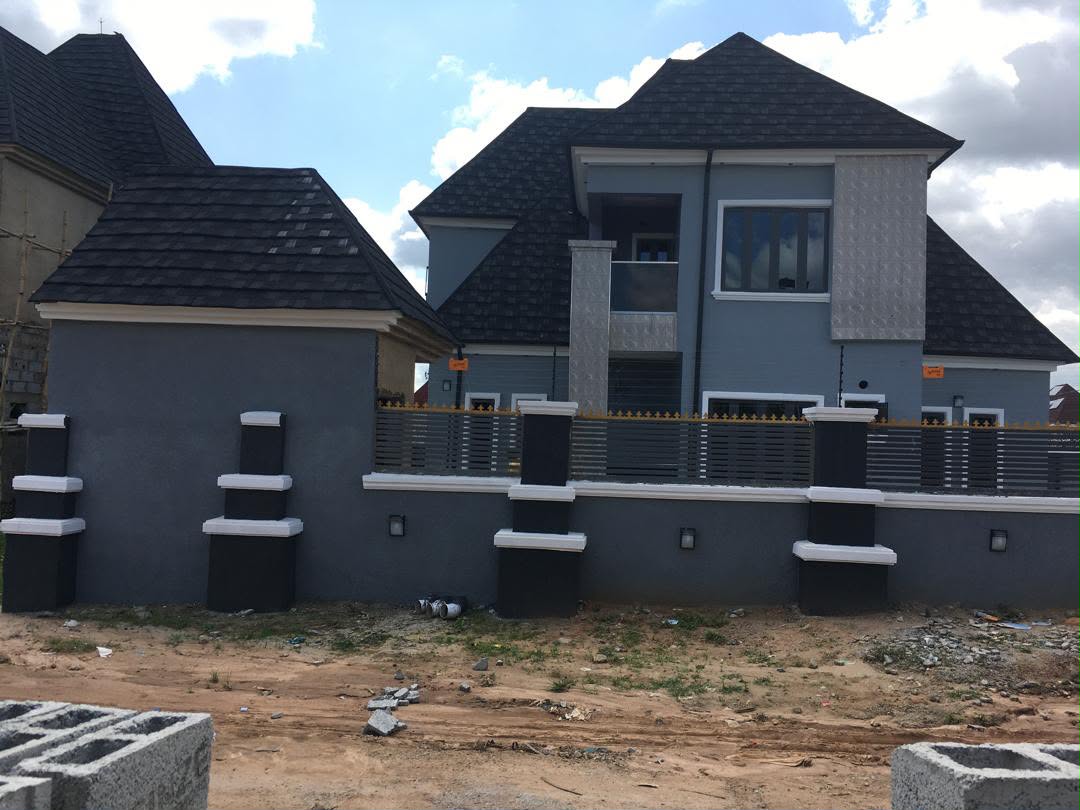
This is where a developer with several active sites helps. Pentagon Homes runs six estate sites across Abuja FCT, from off-plan plots you subscribe to early, to completed units you can inspect and let immediately. That range lets you match the strategy to the moment. Buy early and hold for appreciation, or buy finished and earn rent from day one.

What to Check Before You Put Money Down
Strategy is the second decision. Documentation is the first. Get this wrong and the short-versus-long question never matters, because you will not legally own anything.
Verify the title before you pay. A Certificate of Occupancy, Right of Occupancy, or Governor's Consent should be in order and traceable. Run an AGIS search to confirm the plot is allocated, current, and free of any government revocation. Confirm the developer is registered with the Corporate Affairs Commission and check the RC number yourself. Pentagon Homes is RC 9023084. You can confirm that, and you should confirm anyone you deal with. For land records in the capital, the Abuja Geographic Information Systems holds the allocation data, and tax questions on a sale are handled by the Federal Inland Revenue Service.
Here is when not to invest at all. If you need the money back within 12 months, real estate is the wrong vehicle, short-term or long-term. Flips can stall in a slow market. Long-term holds are meant to be held. Budget for a minimum three-year horizon, or keep your money somewhere more liquid. We will tell you that plainly rather than take a deposit you may need back too soon.
We verify every title before we list a property. That is the part of this business most likely to cost you money if it is skipped, so it is the part we do not skip.
Frequently Asked
See the FAQ section below for short answers to the questions investors ask us most.
Still Not Sure? Send Us a Message.
Tell us your budget, your timeline, and whether you want income now or growth later. We will tell you honestly which strategy fits, what is available, and what to watch out for before you sign anything. If another option suits you better than what we have, we will say so.
Pentagon Homes: +234 (90) 48098852. Open Monday to Saturday.
What buyers usually ask us
Is short-term or long-term real estate investment better in Nigeria?
For most first-time investors, long-term is better. It needs less active management and is less exposed to a bad market timing. Short-term suits experienced operators who have spare capital, time to manage a project, and a clear exit before they buy. Many investors run both at once.
What is the difference between short-term and long-term property investment?
Short-term means buying, improving, and selling a property within months to a few years for a quick profit. Long-term means holding a property for years or decades to earn rent and capital appreciation. Short-term is faster but riskier. Long-term is slower but steadier.
How much money do I need to start real estate investment in Nigeria?
It depends on the strategy. Documented land in growing Abuja corridors like Kuje is the lowest-cost entry for a long-term hold. A completed unit for rental costs more. Short-term flipping needs the purchase price plus a renovation budget. Give us a call with your figure and we will tell you what it can buy.
Is property flipping profitable in Nigeria?
It can be, but it is the higher-risk strategy. Flipping profit depends on buying below market, controlling renovation costs, and selling quickly. Higher transaction costs and a slow resale market can wipe out the margin. Do not flip with money you cannot afford to leave tied up.
What is land banking in Nigeria?
Land banking is buying documented land in a developing corridor and holding it for years before selling or building. It works well in Abuja FCT because land supply is controlled by the federal government and infrastructure spending pushes values up in targeted areas. The risk is documentation, so verify the title first.
Can I combine short-term and long-term real estate investment?
Yes, and many experienced Nigerian investors do. They use the cash from a short-term flip or short-let to buy a long-term, income-producing property. The short-term side funds the purchase. The long-term side builds steady wealth. The two strategies support each other.