
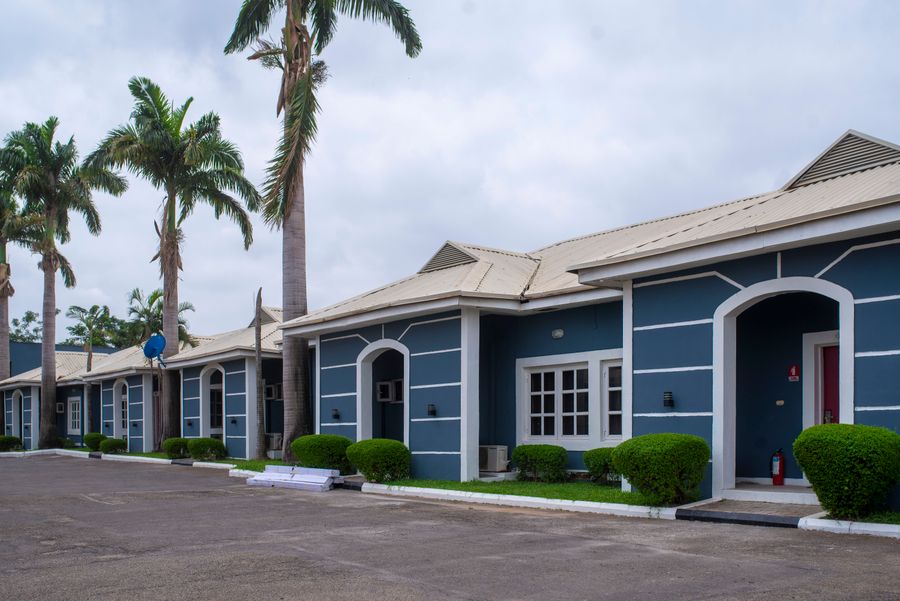
Buying a house in Abuja is not as complicated as most people expect. The paperwork is where buyers lose money. If you verify documents before any payment, your risk drops sharply. This guide covers the market, the locations, and the exact steps you need to take, starting with what to demand before you agree to anything.
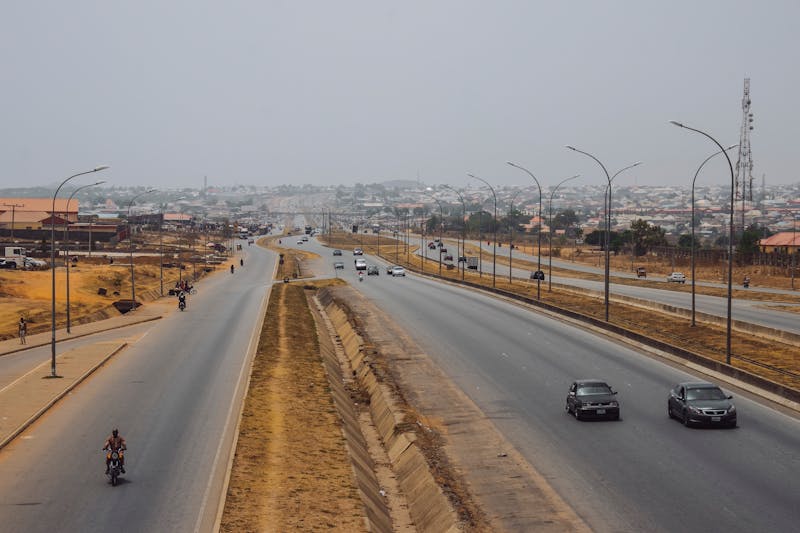
Why Abuja Is Nigeria's Top Property Market
Abuja is Nigeria's fastest-growing urban property market. Three things drive this consistently.
First, the Federal Capital Territory has structural land scarcity. The government owns all land in FCT, and plot allocations are controlled through the AGIS registry. That limits supply permanently, regardless of how much money enters the market.
Second, Abuja has better infrastructure than any other Nigerian city. Power supply, water networks, road access, and general security are measurably superior to Lagos, Port Harcourt, or Enugu. That means properties hold value even when the economy contracts.
Third, demand comes from a stable mix of buyers: federal government workers, diplomats, private sector executives, and returning diaspora. None of those demand sources are going away.
Property prices in Abuja have risen for over a decade, even during periods of naira depreciation. Land in Kuje Area Council that sold for N2 million in 2018 now trades above N8 million in documented layouts. That trajectory makes Abuja unlike most Nigerian cities, where suburban supply routinely outpaces demand.
For buyers, the practical implication is clear. Waiting to purchase in Abuja rarely produces a better deal. Documented plots sell out. Prices rise. The market does not pause for hesitation.
Types of Houses Available
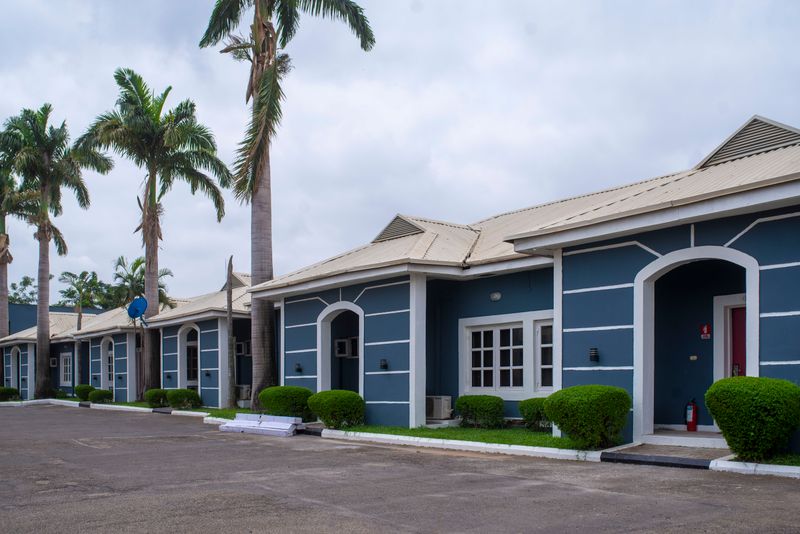
The Abuja residential market has six main property types. Each suits a different budget and level of preference for privacy versus community.
Bungalows are single-story structures on plots of 250sqm to 450sqm. Common in outer estates like Comfort City in Kuje. Suitable for families who want ground-level living without the cost of a duplex. Prices start around N12 million in outer-area estates.
Semi-detached duplexes share one wall with an adjacent unit. Two to four bedrooms. Common on 300sqm to 350sqm plots. A good fit for buyers who prefer a managed estate with other residents nearby. Prices range from N18 million in Lugbe to N45 million in Gwarinpa.
Fully detached duplexes sit standalone on their own plot, typically 350sqm to 500sqm. No shared walls. More privacy, higher cost. Prices from N30 million in outer Abuja to over N200 million in premium areas.
Terraces are row houses sharing two walls, common in higher-density planned estates. Our Solar City in Apo includes 3-bedroom terraces on 170sqm plots. These are among the most accessible entry points for first-time buyers who want a new build in a managed estate environment.
Mansionettes and luxury properties are large standalone homes, typically five or six bedrooms with boys quarters. Solar City has 6-bedroom mansionettes on 600sqm plots. Upper-market options in Maitama, Asokoro, or Katampe can exceed N500 million.
Blocks of flats are multi-unit buildings on 1000sqm or larger plots, built for rental income. Buy the land, build, collect rent, or sell units individually. Solar City includes 1000sqm plots designated for blocks of flats.
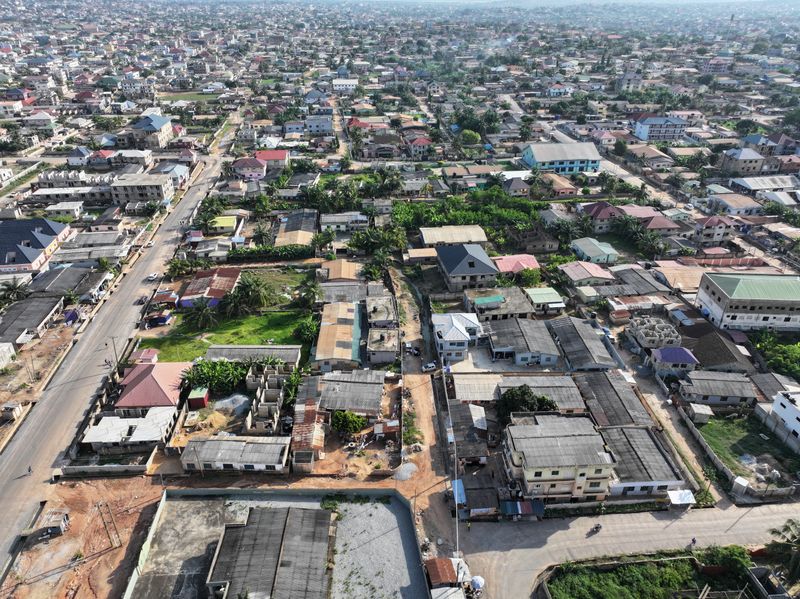
Top Locations to Consider
Lugbe is one of Abuja's best-value residential zones. Close to the international airport, well connected to Garki and the city centre, and with strong rental demand from airport workers and government contractors. Pentagon Homes runs De-Residence, behind Seman Metropolis Estate, with documented land titles and semi-detached and fully detached units available.
Kuje Area Council offers larger plots at lower entry prices than central Abuja districts. Comfort City sits in Kuchiawu Layout, Kuje, with prototype buildings available for inspection before you commit. Kuje is growing fast as road access to Abuja's southern corridor improves.
Apo is a mid-to-premium zone, well planned, close to Garki, and with strong capital appreciation track record. Solar City is our estate in Apo, with the widest range of property types across any Pentagon Homes site, from 170sqm terraces to 600sqm mansionettes.
Airport Road corridor, including Suaka, Peace City Estate's location, is the southern growth axis of Abuja. Infrastructure development here has accelerated significantly in the past three years.
Premium zones, including Maitama, Asokoro, Wuse 2, and Katampe Extension, are for buyers with larger budgets. These areas have the most consistent power, the best road networks, and the highest capital appreciation rates, but entry prices reflect that.
How to Buy Safely
Most buyers who lose money in Nigerian real estate skip one or more of these steps. Do not skip any of them.
Step 1: Demand the title document before any payment. The only acceptable titles are a Certificate of Occupancy (C of O), Right of Occupancy (R of O), or Governor's Consent to a registered deed of assignment. If the seller cannot produce one of these, stop immediately.
Step 2: Search the AGIS registry for the plot. The Abuja Geographic Information Systems office holds records for all allocated FCT land. A search confirms whether the title is genuine and whether any encumbrances exist on the plot.
Step 3: Confirm the seller is the registered owner. The name on the title must match the person or company selling to you. Any mismatch requires a verified chain of assignments going back to the original FCT allocation.
Step 4: Inspect the physical plot in person. Go to the land. See the survey beacons. Confirm the dimensions match the survey plan. Beware any developer who cannot walk you to the actual plot location.
Step 5: Use a registered property lawyer. Your lawyer handles the deed of assignment, perfects the title at the FCT Land Administration, and confirms government consent. That registration is what makes you the legal owner, not just the buyer.
Step 6: Pay through a verifiable account. Every payment goes to a documented company or individual account. Get receipts on company letterhead for every transfer. Never pay cash without written confirmation.

Working With a Verified Agent
In Nigeria, anyone can call themselves a real estate agent. There is no mandatory licensing body the way there is in some countries. That means you are responsible for verifying who you are working with before you trust them with your money.
A verified agent gives you a registered company name and RC number before asking for any commitment. Pentagon Homes is RC 9023084, registered with the Corporate Affairs Commission. You can verify that at the CAC public search portal in under two minutes, for free.
A verified agent shows you the title document before you pay anything. They do not rush you. They do not claim a property is "almost sold" to pressure a decision. If an agent cannot answer specific questions about plot size, survey plan reference number, and title type, you should stop and give us a call instead.
Pentagon Homes has 15 core staff and 30 field marketers operating across Abuja. Every property we list has been pre-verified. We have documentation on file for all active sites. If you are comparing agents, start by asking for their CAC registration number. That one check removes most of the risk.

Frequently Asked
See answers to common buyer questions in the FAQ section below.

Still Not Sure? Send Us a Message.
If you have a budget, a preferred location, or a specific question about documentation, send us a WhatsApp message or give us a call. We will tell you what is available, what the documentation looks like, and what to verify before you commit to anything.
Pentagon Homes: +234 (90) 48098852. Open Monday to Saturday.
What buyers usually ask us
How much does a house cost in Abuja?
Entry-level terraces in outer estates start around N12 million for a completed unit. Semi-detached duplexes in areas like Lugbe start around N18 million. Fully detached duplexes in premium areas run N50 million and above. Prices vary by location, finishes, and documentation quality.
What documents do I need to buy a house in Abuja?
You need a valid government ID and payment through a verifiable account. The seller provides the title document, either a Certificate of Occupancy, Right of Occupancy, or Governor's Consent to assignment. Your lawyer processes the deed of assignment and registers the transaction with the FCT Land Administration.
Can Nigerians in the diaspora buy property in Abuja remotely?
Yes. Pentagon Homes has completed transactions for diaspora buyers in the UK, US, and Canada who never visited Nigeria during the purchase. We handle site inspections, documentation review, and handover on their behalf. Nothing is finalised without the buyer's written approval at each stage.
Is it safe to buy in an estate under construction?
Only if the title is documented, the developer is registered with CAC, and you can inspect prototype buildings before paying. At Comfort City in Kuje, we have standing buildings you can inspect. Never pay for a property where nothing is built and no verified title exists.
How long does the property purchase process take in Abuja?
For a documented property with a clean title, the full transaction from offer to title perfection typically takes four to eight weeks. Delays usually come from incomplete documentation on the seller's side.