
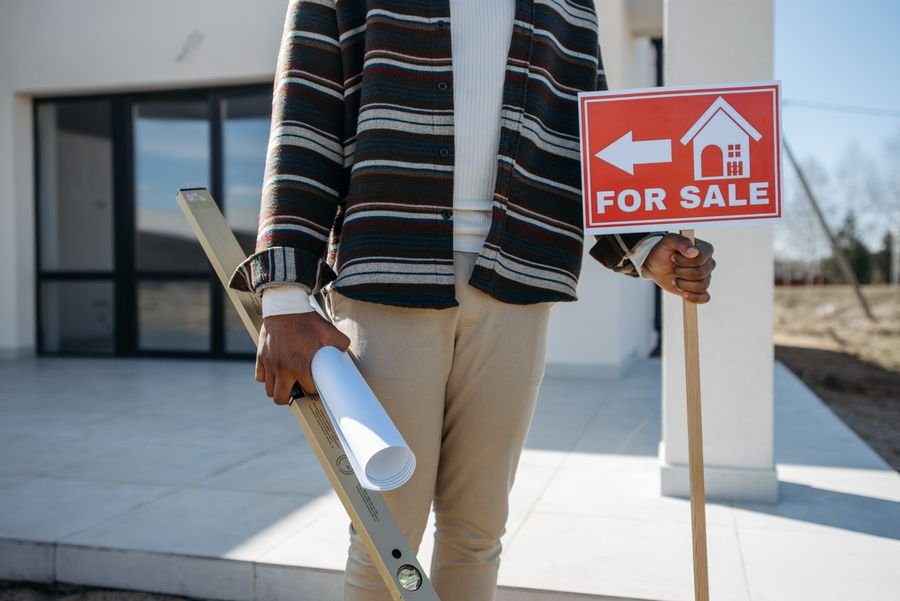
To sell a rental property for the most money with the least downtime, start with an honest reason for selling, time the sale around your tenancy rather than only the market, present the property like a product, price it on real comparable sales, and get the title transfer clean. A rushed or poorly prepared sale quietly erases years of rental profit. A well-managed one locks in your gains and frees up capital for the next opportunity.
Every property investor's story has two sides. There is the buying, when you hunt for the right unit, run the numbers, and picture years of steady rent. And there is the exit, the moment holding no longer makes sense and selling becomes the smarter move. The exit is just as important to get right as the entry. Here is what actually moves the needle.

Start with an honest reason for selling
Before you list anything, get honest about why you are selling. Your reason shapes the whole strategy, and the wrong reason leads to the wrong playbook.
Are you selling because the property has appreciated and you want to realise the gain? Because maintenance is now climbing faster than the rent? Because you are rebalancing toward a different location or property type? Each points to a different approach. An investor cashing out at the top of a market can afford to wait for the right buyer. An investor escaping a problem property, a chronic vacancy or a difficult area, may prioritise speed over squeezing out the last few percent. That last case is worth stating plainly, because the cheapest plot is rarely the best investment, and the price you pay is only part of the cost. When running costs have overtaken the return, a sale is not defeat, it is a correction.
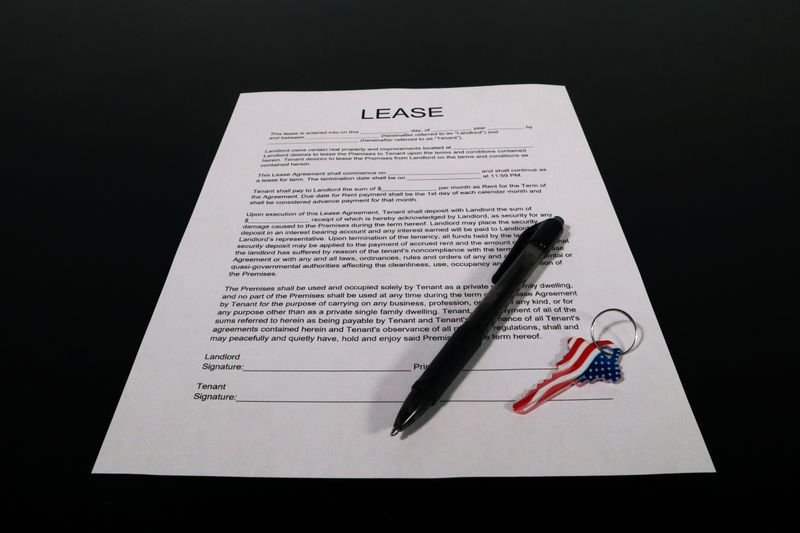
Time the sale around your tenancy, not just the market
A rental property comes with something an empty home does not: a tenant and a lease. That changes your timing.
Selling with a sitting tenant can appeal to other investors who want immediate cash flow, but it narrows your buyer pool mostly to fellow landlords and can complicate inspections. Selling vacant opens the door to owner-occupiers too, often the segment willing to pay the most for a well-presented home, but an empty unit earns nothing while it sits. The practical middle path is to plan your listing around a natural lease expiration where possible. If a tenant's lease is ending in a few months, that is often the ideal exit window. You get a clean vacant handover for staging and inspections, without forcing anyone out, and you minimise the overlap between no rent coming in and not yet sold.
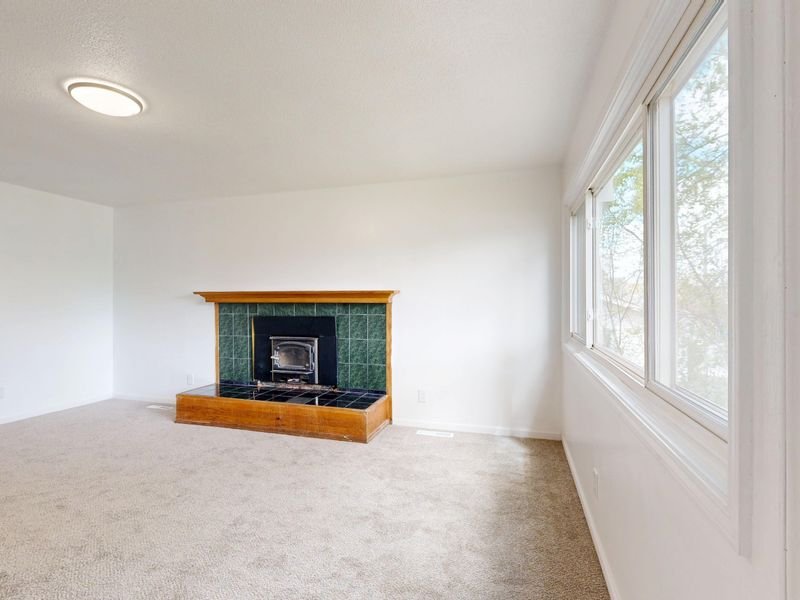
Prepare the property like a product, not just a rental
The property you rented out and the property you sell are not presented the same way. A tenant tolerates a scuff a buyer will price against you.
Treat the sale like putting a product on a shelf. Fix the deferred maintenance a tenant lived with: the leaking tap, the cracked tile, the gate that sticks, the fence that needs attention. Repaint in neutral tones, deep clean, and make sure the compound, the water supply, and the power setup all present well, because in Nigeria those decide a buyer's confidence more than cosmetics. Where the property is vacant, light staging helps a buyer picture living there. The goal is simple: remove every small reason a buyer could use to talk the price down. Good presentation is the cheapest return on investment in the whole sale.
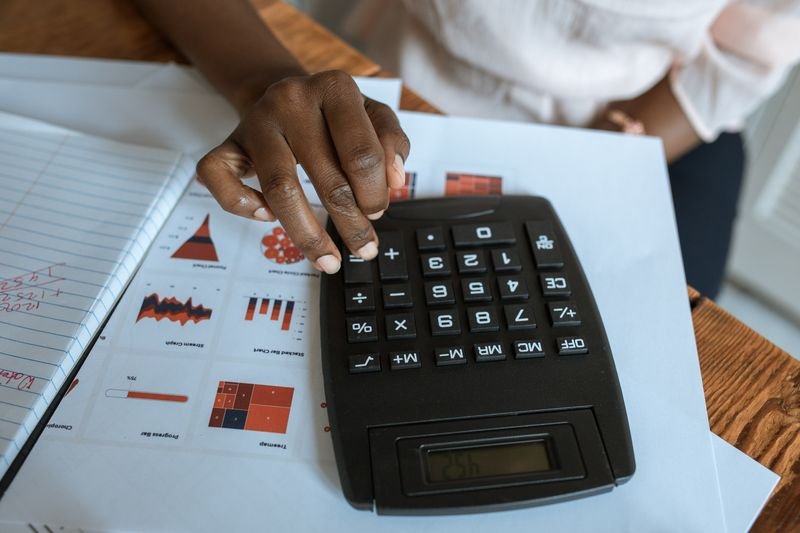
Price it on evidence, not on hope
The fastest way to make a good property sit unsold is to price it on what you wish it was worth. Buyers price on evidence, so you should too.
Look at what comparable properties in the same area have actually sold for recently, not what they were listed at. Factor in your true costs of selling, the capital gains tax, the consent and transfer fees, and any agent commission, so your net figure is what you actually planned for. A realistic price that reflects the market brings serious buyers quickly. An ambitious one attracts nobody, goes stale, and often ends up selling for less than a correct price would have. If you are unsure what the market is really doing, our guide to the best areas to invest in Abuja shows where demand is moving.

Sell to the right buyer, an investor or an occupier
The highest price comes from the buyer the property suits best, so decide who that is before you market it.
An owner-occupier buys a home. They pay the most for a clean, vacant, well-presented property they can move into, and they respond to presentation and location. An investor buys a return. They pay for cash flow, so a tenanted property with a solid lease and good records appeals to them, and they respond to the numbers more than the paint. Market to the wrong one and you will get weak offers. Selling a tenanted unit to owner-occupiers, or an empty fixer to yield-focused investors, is how good properties end up underpriced. Aim your presentation and your channel at the buyer who values what you actually have.
Get the paperwork and title transfer right
This is the step that decides whether the sale closes cleanly or collapses at the end, and it is where Nigerian sales differ most from the generic advice.
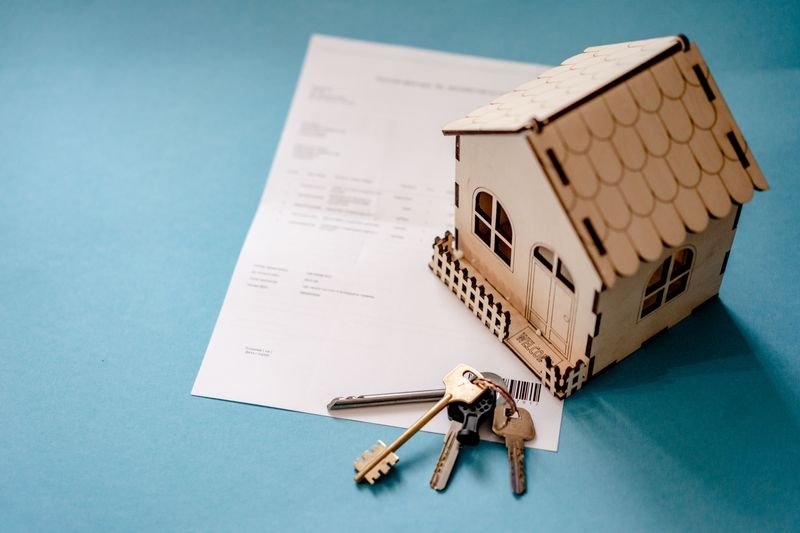
A serious buyer, especially one paying tens of millions, will verify your title before they pay, exactly as we tell every buyer to. So your documents must hold up. Your lawyer prepares a deed of assignment transferring the property to the buyer, you obtain the Governor's consent to the transfer, and the transaction is registered with the land administration so ownership moves into the buyer's name. In Abuja the plot and title are verifiable at AGIS. Expect a capital gains tax of 10 percent on your profit, plus consent and transfer fees, and confirm the current position with the Federal Inland Revenue Service. A clean, registered, verifiable title is what lets a buyer pay in full without hesitation. A messy one is what makes them walk. Our guide to land title documents in Nigeria covers each document in plain English.
When not to sell
Here is the part most selling guides leave out, because it costs them a commission. Sometimes the right move is to hold.
Do not sell into a panic, and do not accept a lowball offer from someone exploiting a rush you have talked yourself into. If your area still has active construction and rising occupancy, the property may be worth more in a year than today, and selling now hands that gain to the buyer. If you would only be selling to raise cash you need back within months, that is a liquidity problem to solve another way, because real estate is a long hold, not an emergency fund. Sell when the numbers and your plan say sell, not when fear or impatience does. If you are weighing this against simply holding and letting the property earn, our post on what to do after buying property in Nigeria covers the hold side.

How we help investors sell
We work with investors across the full ownership lifecycle, not just the buying end, because the exit decides whether the whole investment paid off.
We help you read the local market with real comparable data, prepare and present the property, price it correctly, and reach the right buyer through our network of 30 marketers across Abuja, Lagos, Anambra, and Port Harcourt. Because we are a registered company, RC 9023084, that verifies every title, a buyer meets a clean, documented property and closes with confidence. And we will tell you honestly when not to sell, even though a sale is how we earn, because we would rather keep advising you for years than push one badly timed deal. If you are thinking about the next move after this one, our portfolio-building guide covers reinvesting the proceeds.

Frequently asked
Below are the questions investors ask us most when they are deciding whether and how to sell.

Ready to sell? Send us a message
Tell us about the property, whether it is tenanted or vacant, and why you are thinking of selling. We will give you an honest read on timing, a realistic price based on real comparables, and a clear plan to close cleanly, or tell you if holding is the better call.
Pentagon Homes: +234 (90) 48098852, WhatsApp or call. Suite 9, Second Floor, Juslima Plaza, 22 Raphael Ogboji Street, Lugbe, Abuja. Open Monday to Saturday.
What buyers usually ask us
How do I sell my rental property in Nigeria?
Start with an honest reason for selling, then time the sale around your tenancy rather than only the market. Present the property well, price it on recent comparable sales, and market it to the buyer most likely to pay the most, an investor or an owner-occupier. Finally, get the title transfer clean: a registered deed of assignment and Governor's consent, verified at the land registry. A rushed or poorly prepared sale quietly erases years of rental profit.
Can I sell a property with a tenant still living in it?
Yes. A property with a sitting tenant and a valid tenancy agreement can be sold, and it appeals to investors who want immediate rental income. The buyer takes the property subject to the existing tenancy, so the tenant's rights continue. It narrows your buyer pool to other landlords rather than owner-occupiers, which can affect the price and how quickly it sells.
Should I sell my property empty or with a tenant?
It depends on your buyer. An empty, well-presented property attracts owner-occupiers, who often pay the highest price, but it earns no rent while it sits on the market. A tenanted property keeps income coming and appeals to investors, but usually narrows the buyer pool. A practical middle path is to plan the sale around a natural lease expiration, so you get a clean vacant handover without forcing anyone out.
Do I pay tax when I sell property in Nigeria?
Yes. A capital gains tax of 10 percent applies to the profit on the sale, the difference between what you sell for and what you paid, less allowable costs. There are also transfer and consent fees. Confirm the current position with the Federal Inland Revenue Service and factor these costs in before you set your asking price, so the net figure is what you actually planned for.
How do I transfer title to a buyer in Nigeria?
Your lawyer prepares a deed of assignment transferring the property to the buyer, and you obtain the Governor's consent to the transfer. The transaction is then registered with the land administration so ownership is recorded in the buyer's name. In Abuja the plot and title are verifiable at AGIS. A clean, registered transfer is what lets the buyer pay in full with confidence.
When is the best time to sell an investment property?
When your reason for selling is clear and the timing suits both the market and your tenancy. Selling around a natural lease expiration gives you a clean handover for staging. Selling into a rising local market, where infrastructure is pushing demand into the area, tends to get the best price. Avoid selling in a panic or to the first lowball offer, as that is where owners give away years of gains.