
Abuja is revoking land titles for three reasons: unpaid ground rent, fake documents, and building against the Master Plan. If your title is genuine, your ground rent is paid, and your property matches its approved use, your revocation risk is low. If any of those three is missing, it is real. This post explains what is actually happening in the FCT, the numbers behind the headlines, and exactly what to check so your property never appears on a revocation list.
The Abuja land revocation story has dominated conversation because it reached prominent names, but the lesson is the same for every ordinary owner. This is not really a story about politics. It is a story about paperwork, and paperwork is something you can control.
Why Abuja is revoking thousands of land titles
The FCT Administration has been cancelling land titles at a scale Abuja has not seen before, and almost every case falls into one of three buckets.
The first and largest is unpaid ground rent, the annual charge owners owe on allocated land, some of it outstanding for as long as 40 years. The second is fake or unverified documentation that fails official checks at the registry. The third is misuse of land against the Abuja Master Plan, such as building on a green area or converting a plot to a use it was never allocated for. Understanding which bucket your property could fall into is the whole game, because all three are avoidable.

The numbers behind the headlines
The scale is what made this go viral, and the figures are worth stating plainly because they are the shareable part.
The FCT Minister approved the revocation of 4,794 land titles over non-payment of ground rent, some unpaid for more than 40 years, followed by a further round affecting 1,095 properties for unpaid ground rent and land-use conversion fees. Separately, in February 2026 the FCTA nullified 485 Area Council land documents across Bwari, AMAC, and Kuje after they were confirmed fake, all held by buyers who had paid believing they were genuine, as Vanguard reported. A 2025 industry analysis put the cost of real estate fraud nationwide at roughly 4 billion dollars a year, with the FCT among the worst-hit states, covered in this Vanguard report on Abuja property fraud.
The enforcement has not gone unchallenged. It reached figures across the political divide, drew calls for the National Assembly to limit the Minister's power to revoke without legislative approval, and at one point the presidency stepped in to pause revocations and grant a short grace period for owners to regularise. That back-and-forth is worth following, but it is a distraction from the part you control. Political interventions come and go. A paid-up ground rent receipt and a title verified at the registry protect you regardless of who holds the office.
Here is the uncomfortable opinion, and it is the one worth sharing. The scandal is not only that Abuja revoked nearly 5,000 titles. It is that thousands of owners sat on land for up to 40 years without paying the ground rent they legally owed, and were shocked when the bill finally came due. Revocation for arrears is not a trap. It is a consequence people chose to ignore until enforcement arrived.
Reason one: unpaid ground rent
This is the biggest cause of revocation and the easiest to fix, which is what makes it so frustrating.
Ground rent is a small annual charge on allocated FCT land, separate from what you paid for the plot itself. It is minor next to the value of the land, and that is exactly why people forget it, ignore the notices, and let it pile up for years. The FCTA published repeated warnings from 2023 asking defaulters to clear their arrears. Many did not, and became the 4,794. If you own land in Abuja and cannot remember the last time you paid ground rent, that is not a comfortable thought, it is an action item. Check your balance and clear it.
Reason two: fake and unverified documents
The second bucket is darker, because the owners often did nothing careless. They were defrauded.
The 485 Area Council documents nullified in 2026 were confirmed fake. The people holding them had paid real money for paper that never passed a genuine official check. This is the exact failure we build our whole process to prevent: a document in your hand is not ownership until the registry confirms it. Fraudsters produce convincing forgeries, sell the same plot to several buyers, or offer allocations that were never valid. The only defence is verification at the source, before you pay, not after the FCTA publishes a cancellation list with your plot on it.
Reason three: building against the Master Plan
The third cause is misuse of the land itself, and it is the one that ends in demolition rather than just a cancelled certificate.
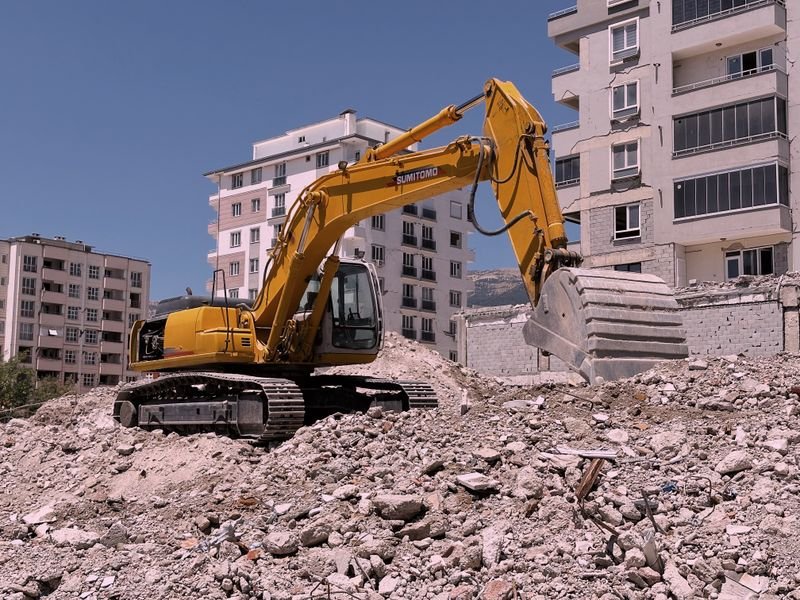
Abuja is a planned city, and the Master Plan is enforced. The FCT Administration ordered the demolition of an estate in the Guzape area because it was built on a designated green area without approval. Converting a residential plot to commercial use without authorisation, exceeding approved plans, or building on land zoned for something else all put a property at risk. Development Control approval is not a formality to skip. A beautiful building on the wrong land use is still a demolition waiting to happen.
Is your property at risk? An honest checklist
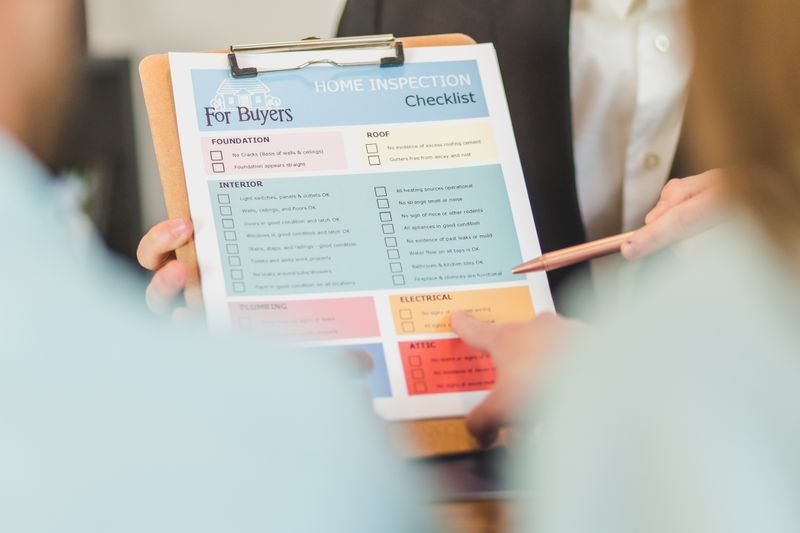
Most owners fall clearly into either the safe group or the exposed group. Here is how to tell which is you.
- Do you have a genuine Certificate of Occupancy or valid title that you have confirmed at AGIS, not just a document a seller handed you?
- Is your ground rent paid up to date, with no multi-year arrears?
- Does your property's actual use match what the land was allocated for?
- Was your building approved by Development Control, and built to that approval?
- Did you buy from a verifiable, registered seller, with the title checked before you paid?
If you can answer yes to all five, your revocation risk is genuinely low. If you cannot answer yes to even one, that is where to focus, today, before it becomes someone else's enforcement statistic.

How to protect your Abuja property from revocation
Protection is not complicated. It is three habits, and they cost far less than losing the property.
First, pay your ground rent and keep the receipts. Confirm your balance with the FCTA or on the AGIS portal and clear any arrears now. Second, verify your title at AGIS, and if you are buying, verify before you pay a naira, never after. An AGIS search confirms the plot is allocated, current, and free of revocation or dispute. Third, build and use the land as allocated, with Development Control approval, and do not convert use without authorisation. These three, paid rent, verified title, approved use, are what separate the owners who sleep soundly from the ones refreshing the news for their plot number.

When you should not panic
Fear is doing a lot of work in this story, and some of it is misplaced. Not every Abuja owner is in danger.
If you hold a genuine title, your ground rent is current, and your property matches its approved use, the revocations are not coming for you, and you do not need to sell in a panic or accept a lowball offer from someone exploiting the fear. The enforcement has targeted arrears, forgeries, and Master Plan violations, not compliant owners. The correct response to this news is not panic. It is a calm afternoon confirming your ground rent status and your title at AGIS. Do that, fix anything that is off, and you can stop worrying.

How we keep our buyers on the safe side
Everything above is simply how we already work, because we were built for exactly this risk.
We verify every title at AGIS before we list a property, and we confirm the seller's registration with the Corporate Affairs Commission, the way you can check our own number, RC 9023084. We sell land that is properly allocated, correctly used, and clean at the registry, so a buyer never inherits an arrears problem or a fake document. If you already own Abuja land and want to know where you stand, or you want to understand the paperwork before you buy, read our guide to land title documents in Nigeria, then talk to us. We would rather you were certain than sorry.

Frequently asked
See the FAQ section below for short answers to the questions owners are asking us right now.

Still not sure? Send us a message.
Tell us whether you own Abuja land already or are about to buy, and what documents you hold. We will tell you honestly what to verify, how to check your ground rent status, and whether a title is safe before you commit to anything.
Pentagon Homes: +234 (90) 48098852. Open Monday to Saturday.
What buyers usually ask us
Why is land being revoked in Abuja?
Three reasons, in order of how common they are: unpaid ground rent, some of it outstanding for decades; fake or unverified title documents that fail official checks; and building against the Abuja Master Plan, such as developing on a designated green area without approval. The FCT Administration has revoked thousands of titles on these grounds since 2025.
What is ground rent in Abuja?
Ground rent is an annual charge the FCT Administration levies on allocated land, separate from the price you paid for the plot. It is small relative to the land's value, but it is a legal obligation, and non-payment is the single most common reason titles have been revoked. Confirm your balance and pay it through the FCTA or the AGIS portal.
Can the government revoke your Certificate of Occupancy in Nigeria?
Yes. A Certificate of Occupancy grants a right of occupancy that the government can revoke for breach of its terms, including non-payment of ground rent, misuse of the land against its allocation, or for overriding public interest. A genuine, fully paid, correctly used title is far safer, but no C of O is beyond revocation if its conditions are broken.
How do I know if my Abuja land title is genuine?
Run a search at the Abuja Geographic Information Systems, known as AGIS. An AGIS search confirms whether the plot is properly allocated, current, and free of revocation or dispute. In 2026 the FCTA nullified hundreds of Area Council documents that were confirmed fake, so a document in your hand is not proof until the registry backs it.
How do I pay outstanding ground rent in the FCT?
Through the FCT Administration or the AGIS platform, which hold your records and current balance. The FCTA published repeated notices from 2023 asking defaulters to clear arrears before enforcement. If you own Abuja land and are unsure of your status, treat checking and clearing ground rent as urgent, not optional.
Can revoked land in Abuja be reinstated?
Sometimes. Where revocation was for unpaid fees, owners have in some cases been given grace periods to pay and regularise, and political interventions have paused enforcement at times. But reinstatement is never guaranteed, it is slow and costly, and it is far cheaper to stay compliant than to fight your way back onto the register.