
A property management company runs your rental property so you do not have to. It finds and screens tenants, collects the rent, handles maintenance, inspects the property, keeps the accounts, and manages legal compliance, while you keep the income and the ownership. This guide covers exactly what that includes, what it costs in Nigeria, when a landlord genuinely needs it, and how to pick a manager who protects your property instead of quietly draining it.
Owning a rental looks passive from the outside. In practice it is tenant calls at odd hours, chasing rent, arranging repairs, and staying ahead of the law. A property manager takes that work off your hands. Whether that is worth paying for depends on your situation, and this post is honest about when it is not.

What a property management company actually does
A property manager is the person who stands between you and the daily running of your rental. You own it, they operate it.
The core job is simple to state: keep the property occupied by good tenants, keep the rent flowing, keep the building in good condition, and keep you informed. Everything a manager does sits under one of those four aims. For a landlord, the value is not just convenience. It is fewer empty months, fewer bad tenants, fewer surprise repair bills, and a property that holds its value because someone is actually watching it.
The services a full property manager covers
A complete property management service covers eight things. A manager offering fewer is really offering a rent-collection service, not full management.
- Tenant screening and placement. Finding reliable tenants and checking them before they move in.
- Property maintenance. Routine checks and prompt repairs before small faults become expensive ones.
- Rent collection and accounting. Timely collection and clear, transparent financial reporting.
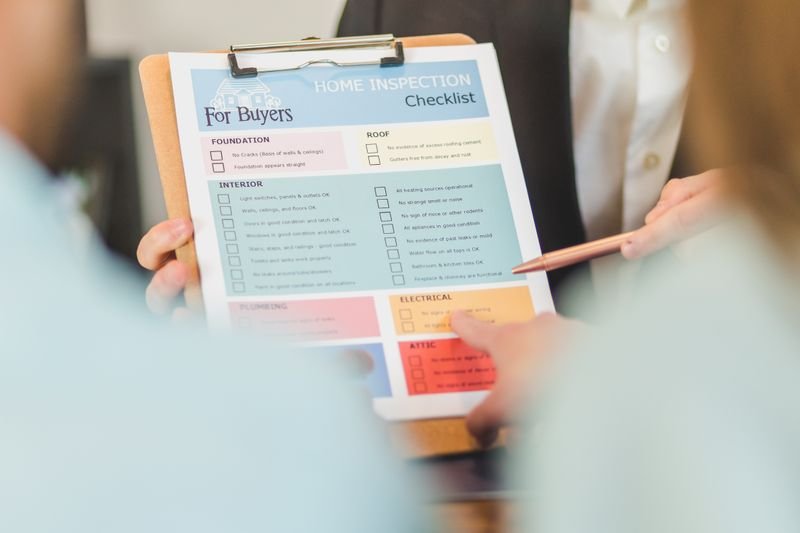
- Regular inspection and reporting. Detailed updates on the property's condition at agreed intervals.
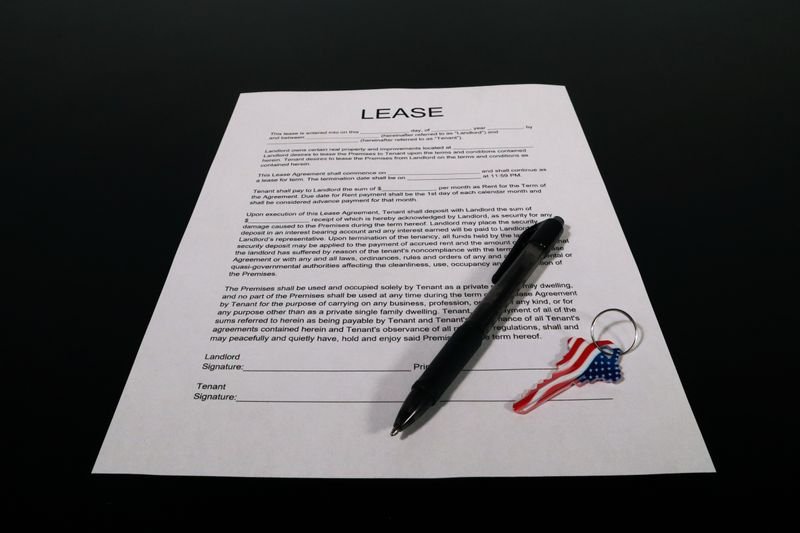
- Legal and compliance support. Keeping tenancy agreements and the property itself on the right side of the law.
- Marketing and advertising. Filling vacancies quickly with quality tenants and buyers.
- Property advisory and consultation. Advice on how to lift the property's return.
- Portfolio management for investors. Tailored oversight for landlords holding several properties.
The gap between a manager who does all eight and one who does three is where most landlord losses hide. A cheap manager who only collects rent leaves you exposed on maintenance, compliance, and the slow decline of an un-inspected building.

What property management costs in Nigeria
Property management is priced as a share of your rent, not a flat bill, and the structure matters as much as the number.
The core management fee usually runs 5% to 10% of the annual rent. A tenant placement fee, often another 5% to 10% of the annual rent, applies each time a new tenant is sourced. Some managers instead charge rent collection at 10% to 15% of monthly rent. On top of that, maintenance is normally billed at the actual repair cost, sometimes with a service fee added. Fees in Lagos, Abuja, and Port Harcourt sit at the higher end because rents and demand are higher. You can see typical ranges in this breakdown of Nigerian property management fees.
A quick example makes it concrete. Take a flat let at ₦2,000,000 a year. A 10% management fee is ₦200,000 a year. If the manager keeps the flat occupied and the rent paid, that ₦200,000 buys you back the months you would otherwise lose to a vacancy, the rent you would lose to a bad tenant, and the repair bills you would face from problems caught too late. One avoided empty year on that flat is ₦2,000,000, ten times the fee. That is the calculation that decides whether management is worth it, not the size of the percentage on its own.
Here is the one strong opinion in this post, and it will save you more than the fee itself. The management percentage is not where landlords get cheated. The maintenance markup is. A manager who adds a healthy margin to every repair has no reason to keep your costs down, and every reason to find more repairs. Ask how maintenance is charged before you ask about the headline fee. Transparent repair billing with no hidden markup is worth more than a percentage point off the management rate.
When a landlord actually needs a property manager
You need a manager when the cost of doing it yourself, in time, money, or mistakes, is higher than the fee.
Three situations make the case clearly. The first is distance: you live in another city or country and cannot be present. The second is scale: you own several units and the admin has become a second job. The third is time: you have the properties but not the hours, and vacancies or unpaid rent are already costing you. In each case a good manager usually pays for itself, because the losses it prevents, empty months, bad tenants, neglected repairs, outweigh the percentage it charges.

For landlords abroad or juggling several properties
The strongest case for professional management is the absentee landlord, and it is the one most often got wrong.
Diaspora landlords frequently try to manage from abroad through a relative or a friend. It rarely ends well. Rent goes uncollected or unremitted, maintenance is ignored until it is expensive, and disputes fester because no one with authority is on the ground. A professional manager becomes your presence: collecting rent into a proper account, inspecting the property, handling repairs, and reporting to you wherever you are. For a landlord who cannot see the property, the fee is not the cost. Not having a manager is.
When you do not need a property manager
Not every landlord needs to pay for this, and we will say so plainly.
If you own a single flat close to where you live, you have the time to handle it, and you have a reliable tenant already in place, a full management contract may cost you more than it saves. The same is true if your property is simple, your tenant is long-term and low-maintenance, and you are comfortable handling the occasional repair and the yearly renewal yourself. Hiring a manager for a property you could easily watch with your own eyes is paying a percentage for peace of mind you already have. Be honest about which situation you are in.

What professional management is actually worth
The right way to judge a manager is not the fee, it is the return after the fee.
Good management protects your income and your asset at the same time. It keeps the property occupied, so you lose fewer months to vacancy. It screens tenants, so you lose less to unpaid rent and damage. It catches maintenance early, so small faults do not become structural bills. And it keeps you compliant, so a tenancy dispute does not turn into a legal one. A property that is actively managed holds its value and its income. A property left to drift loses both, quietly, until the day you try to sell or re-let it and discover what neglect cost.

How to choose a property manager you can trust
Apply the same discipline to choosing a manager that you would to buying the property in the first place. Verify before you commit.
Confirm the company is properly registered, and check the number yourself, the way you can check ours, RC 9023084, at the Corporate Affairs Commission. Ask how many properties they currently manage and for references from existing landlords. Get the full fee schedule in writing, including exactly how maintenance is billed, and read it for hidden markups. Ask how often you will receive inspection reports and statements. A manager who is open about fees and reports to you on a schedule is protecting your investment. One who is vague about money is managing it for their benefit, not yours.

How we manage property at Pentagon Homes
Property management is one of our seven services, and we run it on the same principle as everything else we do: transparency first.
We handle the full eight, tenant screening and placement, maintenance, rent collection and accounting, inspection and reporting, legal and compliance support, marketing, advisory, and portfolio management for investors. We report on a schedule, we account for every naira, and we do not bury markups in your maintenance. For landlords who live abroad or hold several properties across Abuja, that means the property is watched, the rent is collected, and you are kept informed while you get on with your life. You can see the full service on our property management page.

Frequently asked
See the FAQ section below for short answers to the questions landlords ask us most.

Still not sure? Send us a message.
Tell us where your property is, whether it is occupied, and what you want off your plate. We will tell you honestly whether full management makes sense for you, what it would cost, and what we would do first.
Pentagon Homes: +234 (90) 48098852. Open Monday to Saturday.
What buyers usually ask us
What does a property management company do in Nigeria?
A property manager runs a rental property on the owner's behalf: finding and screening tenants, collecting rent, handling maintenance and repairs, inspecting the property, keeping the accounts, and staying on top of legal and tenancy compliance. The landlord keeps the income and the ownership without doing the day-to-day work.
How much do property managers charge in Nigeria?
The core management fee is usually 5% to 10% of the annual rent. A tenant placement fee, often another 5% to 10% of the annual rent, applies when a new tenant is found. Some managers charge rent collection at 10% to 15% of monthly rent, and a maintenance service fee on top of actual repair costs. Ask for the full fee list in writing before you sign.
Is it worth hiring a property manager in Nigeria?
It is worth it when the management fee costs you less than the vacancies, unpaid rent, and repair losses you avoid. For landlords who live abroad, own several units, or do not have time to chase tenants, a good manager usually pays for itself. For a single flat next door that you can watch yourself, it may not.
Can a property manager handle my property while I live abroad?
Yes, and this is one of the strongest cases for hiring one. A manager becomes your presence on the ground: collecting rent, inspecting the property, handling repairs, and reporting to you wherever you are. Diaspora landlords who try to manage remotely through relatives often lose more to neglect and disputes than a professional fee would have cost.
What is the difference between property management and facility management?
Property management covers the commercial side of a rental: tenants, rent, leases, and the landlord's return. Facility management covers the building's physical systems: cleaning, security, power, lifts, and maintenance of shared areas. On a single home the two overlap. On an estate or commercial block they are often handled separately.
How do I choose a good property management company in Abuja?
Confirm the company is registered, ask how many properties they manage and for landlord references, and get the full fee schedule in writing, including how maintenance is charged. Watch for hidden markups on repairs. A manager who is transparent about fees and reports to you regularly is worth more than one who is simply cheap.