
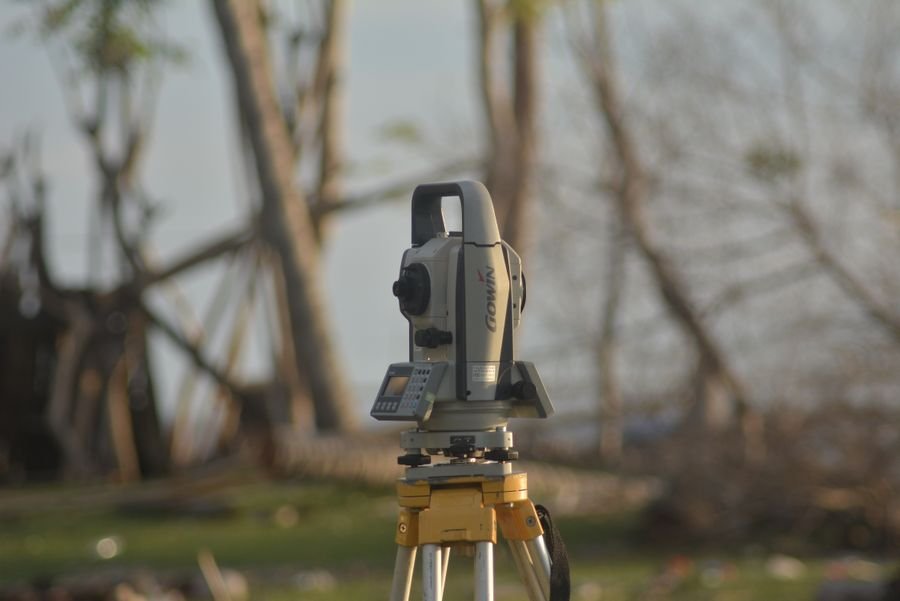
To verify land ownership in Nigeria, do three things before you pay: run a title search at the state land registry to confirm the plot is allocated, current, and free of dispute; confirm the seller's identity and legal right to sell; and physically inspect the land. In Abuja the registry search is an AGIS search. A document in a seller's hand is not proof of ownership. Ownership is what the registry records.
Most people who lose money to land fraud in Nigeria do so for the same reason. They paid first and checked later, or never checked at all. Verification is not complicated, and it is not expensive. This guide walks through exactly how to do it, step by step, before a single naira leaves your account.

What it means to verify land in Nigeria
Verifying land means confirming, at the official registry, that the person selling actually owns the plot and has the right to sell it, and that the land is free of revocation, dispute, or double allocation.
It is not the same as being shown a document. A seller can hold a genuine-looking Certificate of Occupancy that is forged, expired, revoked, or belongs to a different plot. Verification is the independent check that the paper matches the record. Three questions answer it. Is the title genuine and recorded at the registry? Does the seller have the legal right to sell it? Does the physical land match the paper? Get a clear yes to all three and the deal is safe. Get anything less and you stop.
Why a document in your hand is not proof of ownership
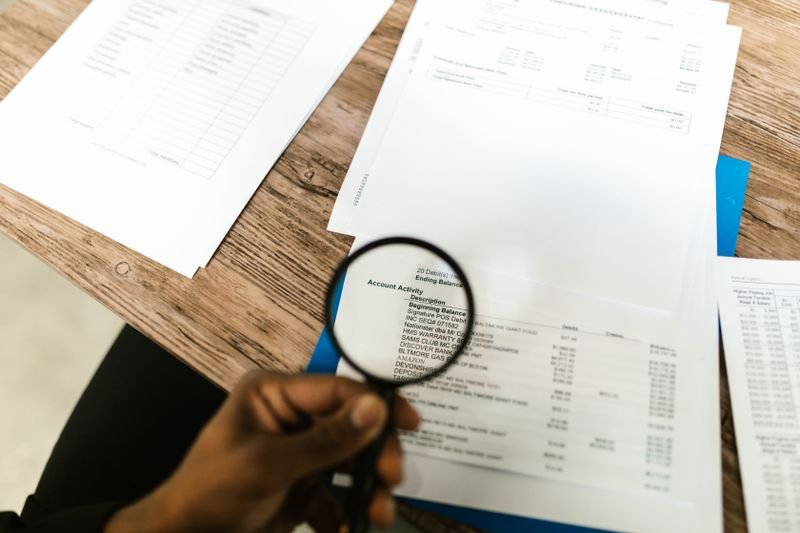
This is the single idea that protects you, so it is worth stating plainly. A document you can hold is not ownership until the registry confirms it.
Fraudsters produce convincing forgeries, sell one plot to several buyers, and offer allocations that were never valid. The buyers all held paper. In February 2026 the FCTA nullified 485 Area Council land documents confirmed fake, all held by people who had paid believing they were genuine, as Vanguard reported. A 2025 industry analysis put the cost of real estate fraud in Nigeria at roughly 4 billion dollars a year. A beautiful plot with a document that fails the registry check is still a loss. The registry, not the seller, is the source of truth, so that is where verification has to happen.
How to verify land ownership in Nigeria step by step
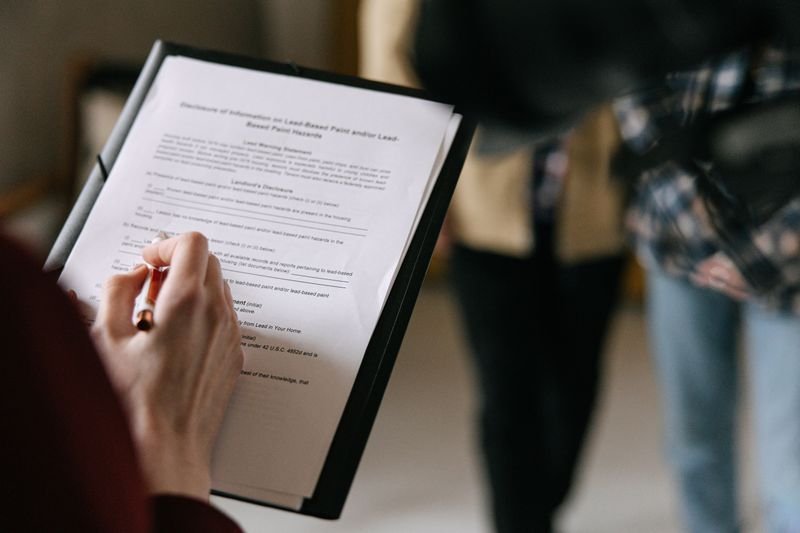
Here is the exact process, in order. Do not skip a step, and do not pay until all of them are done.
- Get the property details in writing: the plot number, the file or registration number, the size, the title type, and the exact name on the title.
- Confirm the seller's identity and that the name selling to you matches the name on the title, or that they hold a valid power of attorney to sell.
- Request a title search at the relevant state land registry. In Abuja this is an AGIS search.
- Read the search result. It should confirm the plot is allocated, the title is genuine, the holder matches the seller, and there is no revocation or dispute.
- Confirm the seller is who they claim to be. If it is a company, check its registration at the Corporate Affairs Commission.
- Physically inspect the land, and ask the immediate neighbours who owns and occupies it.
- Only after all of the above verify clean, proceed to payment through a traceable, documented channel.
If any step cannot be completed, treat that as the answer and walk away. For the full buying process from here, see our guide to buying land in Abuja.
How to check if a Certificate of Occupancy is genuine
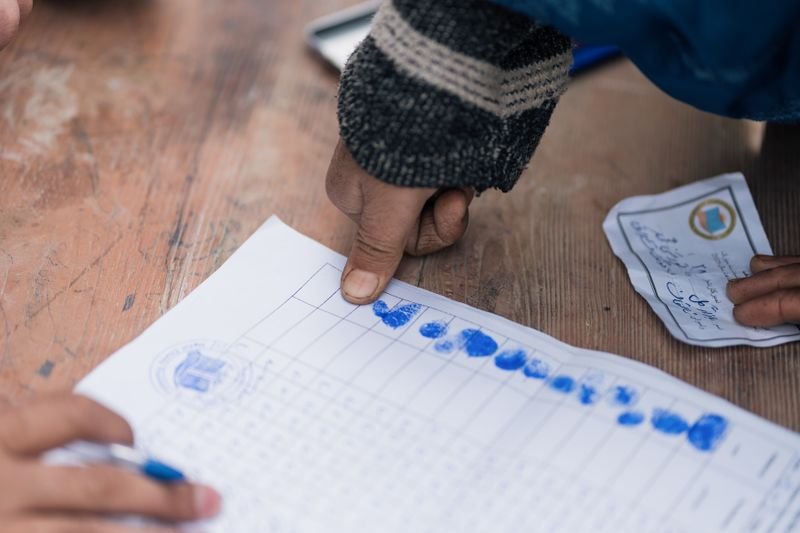
A Certificate of Occupancy is the strongest common title in Nigeria, which is exactly why it is the most forged. Checking it genuine is a registry job, not an eyeball one.
Take the C of O details, the plot number, the file number, and the holder's name, to the land registry and request a search or verification against the official record. The registry confirms three things: that the certificate was genuinely issued, that it matches the specific plot, and that the land carries no revocation or dispute. Do not rely on how official the paper looks, on a photocopy, or on a contact who offers to confirm it informally. A real C of O survives a registry search. A fake one does not, and that search is the whole point. Our guide to land title documents in Nigeria explains how a C of O differs from a Right of Occupancy and a deed of assignment.

How to run an AGIS search in Abuja
In the FCT, land records live with the Abuja Geographic Information Systems, known as AGIS. An AGIS search is the official way to confirm any Abuja plot.
You apply at AGIS with the plot details, pay the official search fee, and receive a result confirming the allocation, the current holder, and the status of the land. Many buyers instruct a property lawyer to run the search and interpret the outcome, which is sensible for a large purchase, but the search itself is an official process anyone can request. Do it before you pay, not after. If you already own Abuja land, the same search confirms your title is clean and your ground rent status is current, which our post on Abuja land revocation explains is the most common reason titles are cancelled.
What to check when you inspect the land
The registry confirms the paper. Your eyes confirm the ground. Both have to agree, so never buy on documents alone.
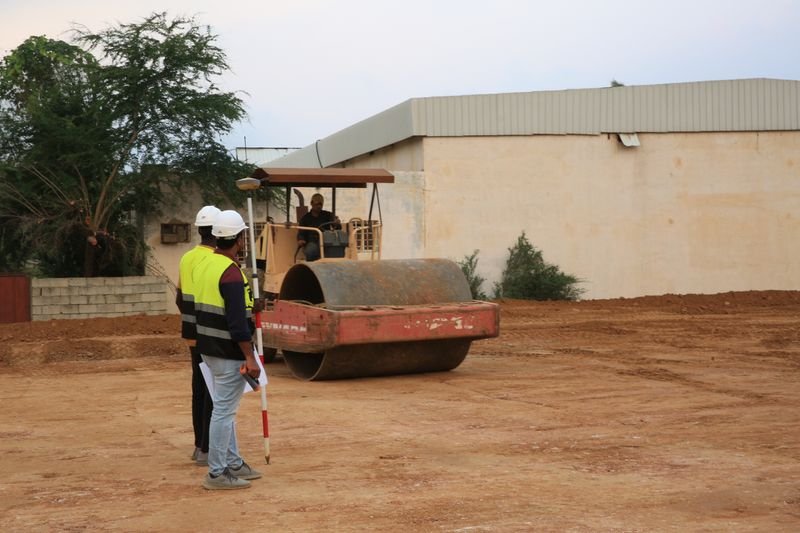
Visit the actual plot, not a similar one nearby, and confirm it matches the survey coordinates and size on the title. Ask the immediate neighbours who owns and occupies it, because a plot that is already fenced, farmed, or built on by someone else is a warning the paper will not tell you. Check access to the plot, and whether it sits on a floodplain or a designated green area, two of the most missed problems. If the story on the ground does not match the story on the paper, stop and find out why before you go any further.

Red flags that a title will not verify
Some deals announce their problem before you even reach the registry. Treat these as reasons to slow down, not to rush.
- The title is described as "in process", with the document promised for later.
- You are shown only a photocopy, or discouraged from an independent search.
- The seller pressures you to pay fast, in cash, or into a personal account.
- The price is far below the market for the area.
- The seller resists you sending anyone to inspect the land.
Any one of these means verify harder, not faster. The full list, with the check for each, is in our post on the red flags of a land scam in Nigeria.

How we verify every title before we list
Everything above is simply our own listing process, because we were built for exactly this risk.
We run a registry search on every title before we list a property, and we confirm the seller's registration the way any buyer can check our own number, RC 9023084. We sell land that is properly allocated, correctly used, and clean at the registry, so a buyer never inherits a forged document or a double sale. We would rather lose a sale than hand you a document that does not hold up, and we would rather you sent your own independent lawyer than take our word for it. If you are buying from outside the country, our guide on how to buy property in Nigeria from abroad shows how to verify remotely.

Frequently asked
Below are the questions buyers ask us most when they are trying to confirm a title is real.

Ready to verify a property? Send us a message
Send us the details of any land you are about to buy, wherever it is and whoever is selling it. We will tell you exactly what to check, how to run the search, and whether the title is safe before you pay a naira. If it is not, we will tell you that too.
Pentagon Homes: +234 (90) 48098852, WhatsApp or call. Suite 9, Second Floor, Juslima Plaza, 22 Raphael Ogboji Street, Lugbe, Abuja. Open Monday to Saturday.
What buyers usually ask us
How do I verify land ownership in Nigeria?
Run a title search at the relevant state land registry to confirm the plot is allocated, current, and free of revocation or dispute. In Abuja that is an AGIS search. Then confirm the seller's identity and legal right to sell, and physically inspect the land. Do all three before any money changes hands. A document in a seller's hand is not proof of ownership until the registry confirms it.
How can I check if a Certificate of Occupancy is genuine?
Take the C of O details, the plot number, file number, and holder's name, to the land registry and request a search or verification. The registry confirms whether the certificate was genuinely issued, whether it matches the plot, and whether the land is under any revocation or dispute. In 2026 the FCTA nullified hundreds of Area Council documents confirmed fake, so a certificate you can hold is not proof until the registry backs it.
What is an AGIS search and how do I do one?
AGIS is the Abuja Geographic Information Systems, the FCT's official land records body. A search confirms whether a plot is properly allocated, who holds the title, and whether it is free of revocation or dispute. You apply at AGIS with the plot details, pay the search fee, and receive an official result. Many buyers use a property lawyer to run it, but the search itself is an official registry process.
How much does it cost to verify land in Nigeria?
A title search costs a modest official fee at the registry, plus a lawyer's fee if you engage one to run it and interpret the result. The exact figures vary by state and registry, so confirm the current search fee directly with the registry. Whatever it is, it is a tiny fraction of the property price and far cheaper than losing the money to a fake or disputed title.
Can I verify land without a lawyer?
You can request a search at the registry yourself, and you should always inspect the land in person. But a property lawyer independent of the seller helps you interpret the search result, spot problems in the documents, and protect yourself in the contract. For a large purchase, an independent lawyer is worth the fee. Never rely on the seller's own lawyer to verify the seller's title.
What documents confirm ownership of land in Nigeria?
A Certificate of Occupancy, a Right of Occupancy, or a registered deed of assignment with the Governor's consent, backed by the registry record in the holder's name. A survey plan and allocation letter support these. The key point is that the document must be verifiable at the registry. Ownership is what the registry records, not what a piece of paper claims.