
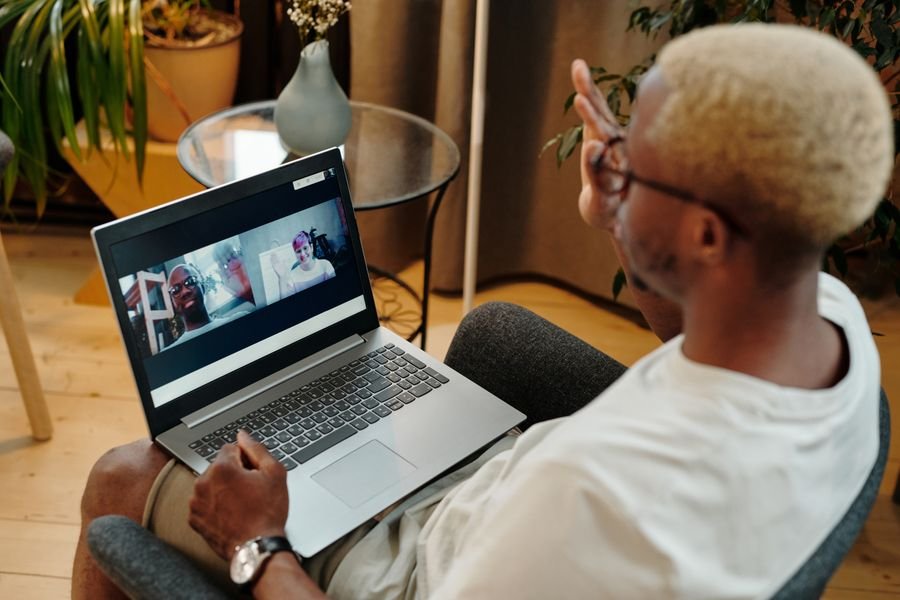
Yes, you can buy property in Nigeria from abroad, and thousands of diaspora Nigerians do it every year. The safe way is the same every time. Verify the title at the registry before you pay. Use a lawyer and a trusted representative to inspect on your behalf. Pay only a registered company through a traceable account. The danger is never the distance. It is paying before anyone you trust has verified what you are buying.
This guide is written for the Nigerian in London, Houston, Toronto, or Dubai who wants to own land or a home back home, and who has heard the horror stories. The stories are real. So is the safe path. Here it is, step by step.
Can you buy property in Nigeria from abroad
Yes. You do not need to be physically present to buy property in Nigeria. What you need is present on your behalf: a lawyer to handle and verify the documents, and a trusted person to stand on the land.
The transaction itself is ordinary. You identify a property, verify the title, agree terms, pay through a documented channel, and your lawyer registers the deed of assignment in your name. Every step can be done while you remain abroad. The only part you must never delegate to trust alone is verification. That is the step scammers count on remote buyers skipping.
The biggest risk is that you cannot see the land yourself
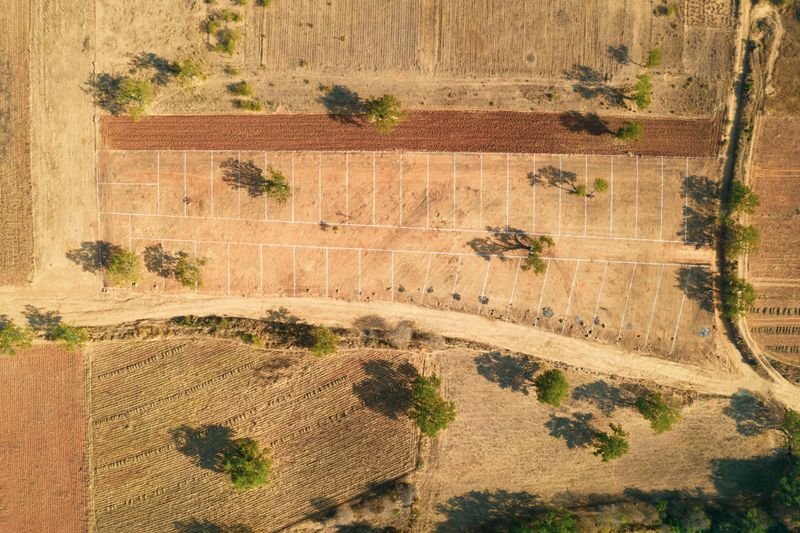
The reason diaspora buyers are targeted is simple. You cannot easily drive to the plot, so a fraudster only has to convince you on a phone call.
The scale of the problem is documented. In February 2026 the FCTA nullified 485 Area Council land documents confirmed fake, all held by buyers who had paid believing they were genuine, as Vanguard reported. A 2025 industry analysis put the cost of real estate fraud in Nigeria at roughly 4 billion dollars a year. Distance multiplies every one of these risks, because the usual safeguard, going to look, is the one thing you cannot do yourself. A beautiful building on a bad title is still a loss, and it is a loss you will discover far too late from another country. The answer is not to abandon the purchase. It is to move verification to people you trust on the ground.
How to buy property in Nigeria from overseas step by step
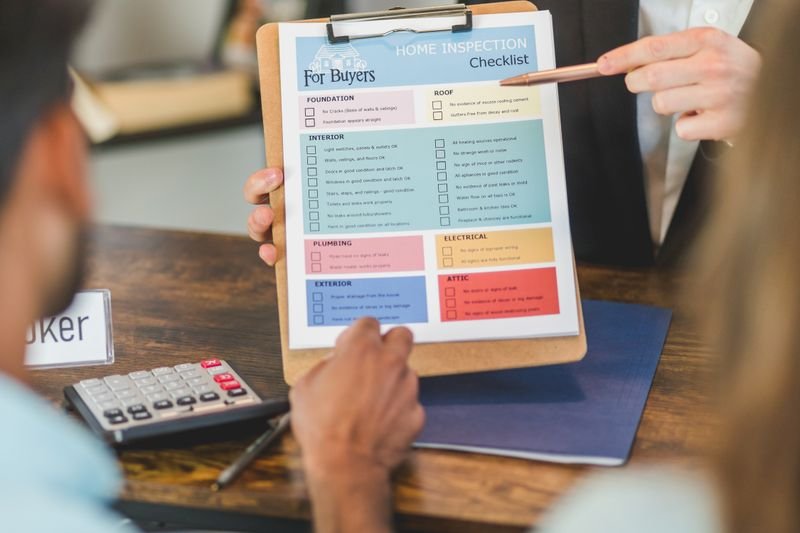
Here is the exact sequence, in order. Do not reorder it, and do not pay until the verification steps are done.
- Shortlist the property and get the details in writing: the title type, the plot number, the size, and the seller's registered name.
- Instruct a Nigerian property lawyer, independent of the seller, to run a title search at the registry. In Abuja this is an AGIS search.
- Send a trusted representative, a family member or an independent surveyor, to physically visit the land and send dated photographs and video.
- Confirm the seller is a company registered with the Corporate Affairs Commission, and that the entity holding the title is the one you will pay.
- Have your lawyer prepare the contract and the deed of assignment in your name, and confirm what documents you receive at each stage.
- Pay only through the seller's verifiable company account, and collect a dated receipt for every payment.
- Have your lawyer register the transaction so ownership is recorded in your name at the land administration.
If any step cannot be completed, that is your signal to stop, not to proceed on faith. Our full walkthrough of the process is in our guide to buying land in Abuja.
Who inspects and verifies when you cannot be there
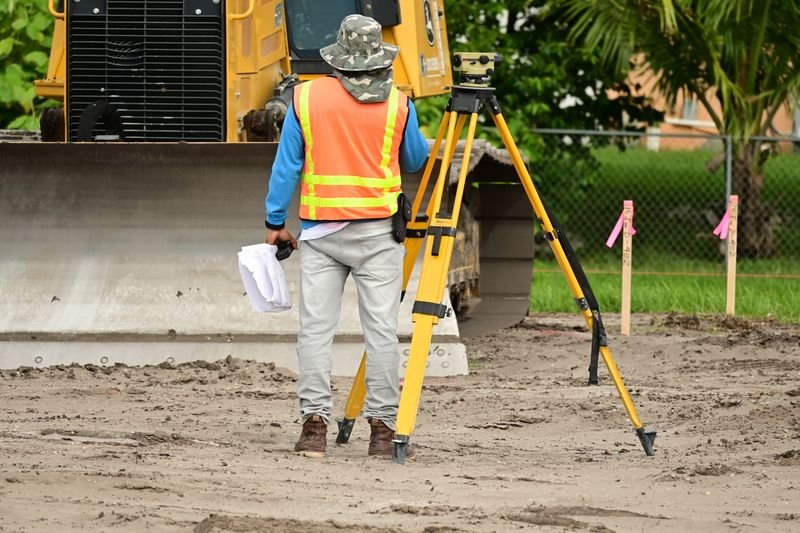
You replace your own eyes with two people: a lawyer for the paper, and a trusted representative for the ground. Never rely on the seller's agent to do both.
The lawyer confirms the title is genuine, registered, and free of dispute, and protects you in the contract. The representative confirms the property physically exists, matches its description, and is not already occupied or fenced by someone else. Together they close the two gaps a remote buyer has: is the document real, and is the land real. Ask for dated photos and video, not renders, and where possible a live video call from the plot so you watch the inspection happen. For the documents themselves, our guide to land title documents in Nigeria explains what each one should say.
How to pay safely from another country
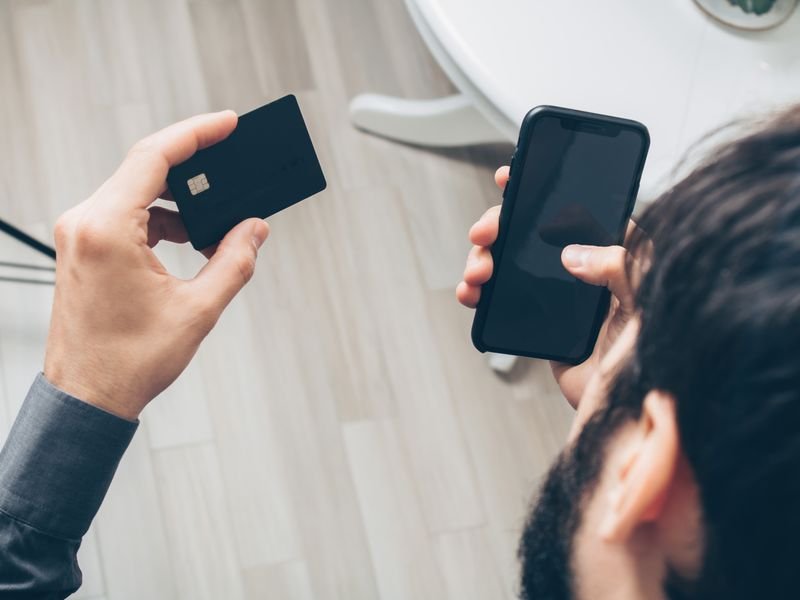
Pay a registered company, through a verifiable company account, with a receipt for every naira. That single rule prevents most diaspora scams.
Be careful the moment you are asked to send money to a personal account, to a relative to hold, or in any way that leaves no clean record. Legitimate developers invoice you and receive payment through a documented company channel. If you are buying on an installment plan, get a dated receipt for each payment and confirm exactly what the final payment secures, your allocation, your title, and your right to build. The rest of the warning signs are in our post on the red flags of a land scam in Nigeria.

A safe remote purchase against a scam, side by side
The difference between a safe diaspora purchase and a scam is visible early, if you know what to compare.
A safe remote purchase looks like this:
- The seller is a company you can verify at the Corporate Affairs Commission.
- The title is confirmed at the registry by your own independent lawyer.
- A trusted representative visits the land and sends dated photos and video.
- Payment goes to a company account, with a receipt for each payment.
- You are given time to complete every check before paying.
A scam usually looks like this:
- The seller is an individual, or a company you cannot find on the CAC register.
- The title is "in process", or shown only as a photocopy you cannot verify.
- You are discouraged from sending anyone to inspect, or rushed past it.
- You are asked to pay into a personal account, urgently, before you verify.
- Every delay is met with pressure and a new reason to pay today.
If your deal has even two lines from the second list, stop and verify before you send anything.
How we help diaspora buyers
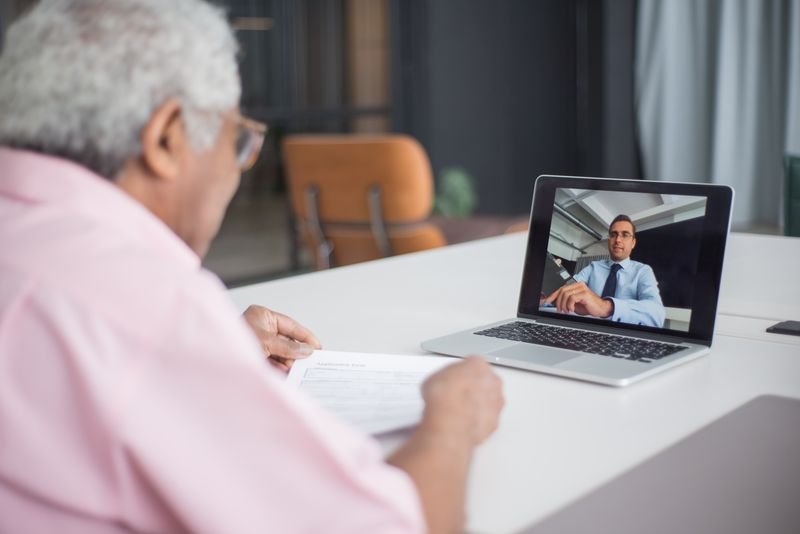
Everything above is how we work with buyers who live abroad, because a large share of our buyers are in the diaspora.
We are a registered company, RC 9023084, with 15 staff and 30 marketers across six named estate sites in Abuja that anyone you send can drive to and stand on. We verify every title at AGIS before we list, we confirm our own registration is checkable, and we arrange live video inspections so you see the actual site, not a render. We would rather you sent an independent lawyer and your own representative than take our word for it, because a buyer who verifies is a buyer who stays. If you plan to rent the property out after buying, our property management guide covers how that works from abroad.

Frequently asked
Below are the questions diaspora buyers ask us most before they commit from overseas.
Ready to buy from abroad? Send us a message
Tell us where you are based and what you are looking for. We will confirm what is available, arrange a verified inspection, and walk your lawyer through the title, so you can buy from another country with the same confidence as buying in person.
Pentagon Homes: +234 (90) 48098852, WhatsApp or call from any country. Suite 9, Second Floor, Juslima Plaza, 22 Raphael Ogboji Street, Lugbe, Abuja. Open Monday to Saturday.
What buyers usually ask us
Can I buy property in Nigeria while living abroad?
Yes. Thousands of diaspora Nigerians buy property back home every year. You can do it safely by verifying the title at the registry before you pay, appointing a lawyer and a trusted representative to inspect on your behalf, and paying only a registered company through a traceable account. The distance is not the risk. Paying before verification is.
How do I verify land in Nigeria from overseas?
Instruct a Nigerian property lawyer to run a title search at the registry, in Abuja that is an AGIS search, to confirm the plot is allocated, current, and free of revocation or dispute. Have a trusted person physically visit the land. Confirm the seller is registered with the Corporate Affairs Commission. All three can be done while you remain abroad, and all three should happen before any money moves.
Is it safe to buy property in Nigeria from abroad?
It is safe when the title is verified and the seller is a registered company you can check. It is dangerous when you pay on trust, on the word of a relative or an agent, before anyone has confirmed ownership at the registry. Diaspora buyers are targeted precisely because they cannot inspect easily, so the protection is to verify remotely rather than skip verification.
Can someone inspect property in Nigeria on my behalf?
Yes, and you should never buy remotely without it. Appoint a lawyer for the documents and a trusted representative, a family member or an independent surveyor, to visit the land physically. Ask for dated photographs and video of the actual plot and any construction, not renders. A verified developer can also arrange a live video inspection so you see the site in real time.
How do I pay for property in Nigeria from another country?
Pay a registered company through its verifiable company account, with an invoice and a dated receipt for every payment. Never send money to a personal account or in a way that leaves no clean record. If you are on an installment plan, get a receipt for each installment and confirm exactly what the final payment secures before you begin.
What documents do I need to buy property in Nigeria as a diaspora buyer?
A valid means of identification, and payment from a verifiable account. The seller provides the title, a Certificate of Occupancy, Right of Occupancy, or a registered deed of assignment with Governor's consent. Your lawyer prepares the deed of assignment in your name and registers the transaction with the land administration, so ownership is recorded even while you are abroad.