
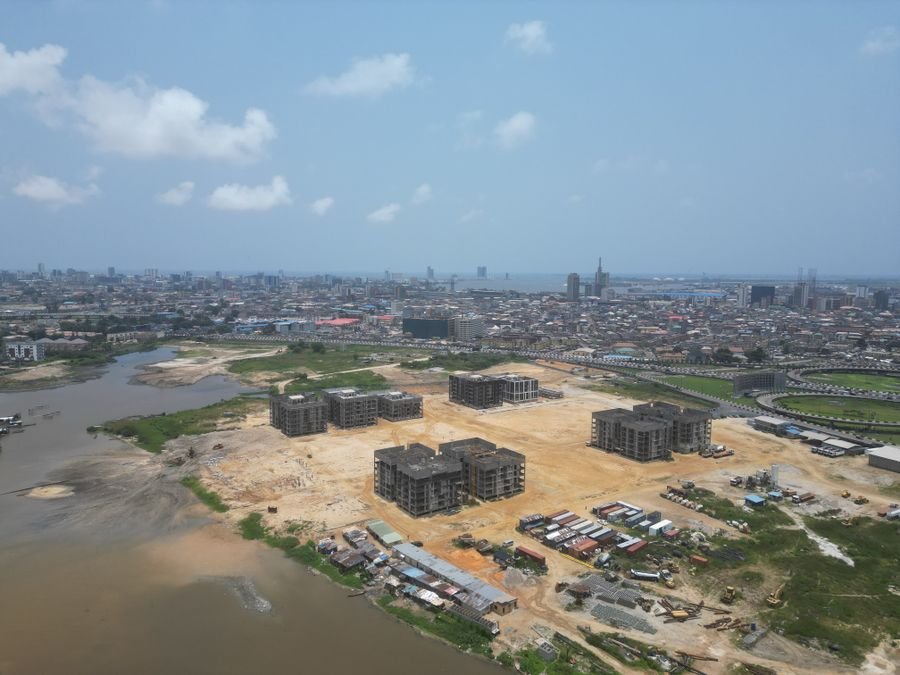
Five trends are shaping real estate in Nigeria in 2026: prices rising unevenly by location, growth moving along funded infrastructure corridors, financing widening beyond the bank mortgage, rental demand running ahead of supply, and a greater need to verify titles and costs. Here is what each one means if you are about to buy.
One caution first. Published forecasts for Nigeria vary a lot, and several cite no source for their figures. We use numbers from official pages where we can, and we say when a figure is a forecast.
Prices are rising, but not everywhere and not evenly
The most quoted forecast expects residential price growth of roughly 5% to 15% in key cities in 2026, with fully developed high-end districts at the lower end. Nigeria Housing Market's 2026 forecast gives that range without naming its data source, so treat it as a direction.
What it means for you: a headline average tells you little about one plot. A price that has already run up in a popular district has less room left.
Growth is moving along funded infrastructure corridors
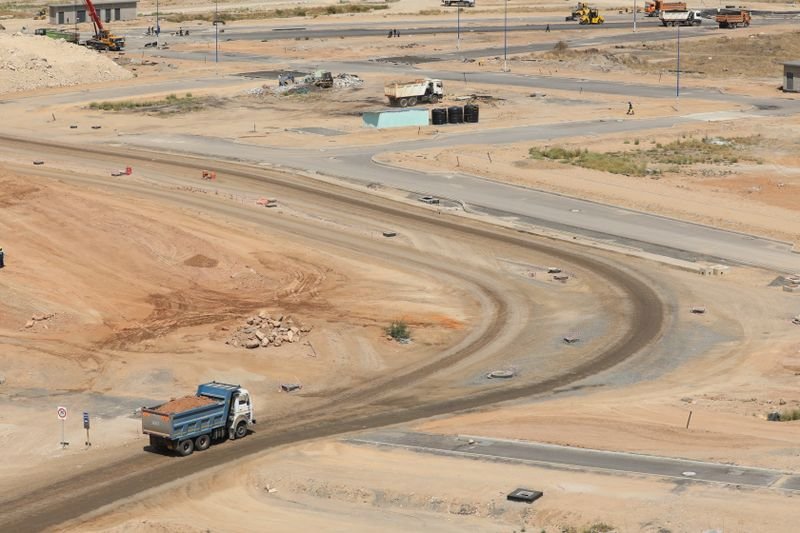
Reports point to Lagos-Epe Expressway and the Lekki Free Trade Zone opening new residential areas in Lagos, and to rapid rent increases in Kubwa and Lugbe in Abuja. The pattern is the same in both cities. Roads, power, and jobs arrive first. Housing demand follows.
Here is our position. Buying early beats buying popular, but only when the infrastructure is real and funded. Abuja land is allocated by the FCDA, so it is finite. When funded roads push demand into a corridor, prices follow, because nobody can create more land there. A corridor with active construction, a real road, and rising occupancy is growing. A corridor with a signboard and a promise is not, yet.
Three of our estates sit on the Airport Road corridor: Lugbe Estate, Peace City, and Comfort City in Kuje. For where to look in the capital, read our neighbourhood guide to Abuja.

Financing is widening beyond the bank mortgage
Commercial mortgages remain expensive and slow, so buyers are using other routes more. Three matter in 2026:
- Developer payment plans, commonly over 6, 12, or 24 months.
- Cooperative societies and investment groups, where members pool money.
- NHF loans. FMBN's product page states that contributors can access up to ₦50 million through an accredited Primary Mortgage Bank. Older FMBN documents still show ₦15 million, so confirm the current cap with your bank.
For buyers abroad, FMBN launched a Diaspora Mortgage Loan on 7 August 2026, offering up to ₦100 million at 9% a year with a maximum repayment term of 10 years. Subject to affordability checks.
What it means for you: a smaller deposit is no longer a reason to wait, but a payment plan is a contract. We walk through each route in how to buy a duplex in Abuja without a mortgage, and the wider list is in our guide to financing an investment property.

Rental demand is outrunning supply
Several market reports describe rental demand ahead of supply in every major Nigerian city. One forecast expects rental yields to settle at mid-single-digit levels in major cities. Our own reference point for documented residential property in established Abuja areas is a gross yield of 6% to 10% a year.
What it means for you: rent is rising where jobs and transport are, which supports buying to let. It does not make every property a good rental. Check the running costs, the vacancy risk, and the service charges before you count the yield. Our guide to building a rental portfolio shows how to test one.

Buyers now have to verify more, not less
Digital listings, virtual tours, and online title tools have made property easier to find. They have not made it safer to buy. A listing looks the same whether the title is clean or not.
Costs are also shifting. Nigeria's Tax Act 2025 is expected to affect transaction and holding costs. We are not publishing rates here, because they depend on how the rules are applied. Ask your lawyer for the current figures before you sign.
What it means for you: the check that matters has not changed. Run an AGIS search, ask for the C of O, R of O, or Governor's Consent itself, and confirm the seller's registration with the Corporate Affairs Commission. "It's in process" is not a title. Our guide to verifying land ownership in Nigeria shows the order.

What to do with these trends
- Pick a location by funded infrastructure, not by who is advertising.
- Compare the price to recent sales on neighbouring plots, not to a forecast.
- Decide the financing route before you fall in love with a property.
- Budget for running costs and fees, not only the price.
- Verify the title before you pay a deposit.
For where the Abuja market stands right now, read what investors should know about the Abuja real estate market in 2026.

When not to chase a trend
Here is when not to act on any of this.
- You may need the money back within 12 months. Property is not liquid.
- You cannot verify the title. Walk away, whatever the trend.
- The only argument for the area is a promise of future roads with no funding behind it.
- You are borrowing at a cost your income cannot carry through a bad month.
Land is a long hold. Our guide to land banking in Nigeria covers when it pays and when it does not.

How we read the market at Pentagon Homes
We check infrastructure claims at the source. Our team attended the 25th NOG Energy Week in Abuja to separate funded projects from announced ones before advising clients. We verify every title before we list a property, and we would rather lose a sale than hand you a document that does not hold up.
Pentagon Homes is RC 9023084, a number you can check yourself. Plot sizes and prices vary by estate, so give us a call for current rates.

What buyers usually ask us
See the FAQ section below for short answers to the questions we hear most about the market this year.

Planning a purchase this year? Send us a message
Tell us your budget, your timeline, and the area you have in mind. We will check it against the registry before we say yes.
Pentagon Homes: +234 (90) 48098852, WhatsApp or call. Open Monday to Saturday.
What buyers usually ask us
What are the biggest real estate trends in Nigeria in 2026?
Five stand out: price growth that is uneven by location, demand moving along infrastructure corridors, financing options widening beyond the bank mortgage, rental demand running ahead of supply, and a greater need to verify titles and costs before paying.
Will property prices rise in Nigeria in 2026?
Forecasts expect growth of roughly 5% to 15% in key cities, with high-end districts at the lower end. That is a forecast, not a guarantee, and it varies by location. Inflation and the naira could push the real figure either way.
Is 2026 a good time to buy property in Nigeria?
It is a good time to buy if your title verifies, the infrastructure around the property is funded, and you can hold for at least three years. It is a poor time to buy if you may need the money back within 12 months.
Which areas are growing fastest?
Areas along funded roads and new economic zones. In Lagos, reports point to the Lagos-Epe corridor and Ibeju-Lekki. In Abuja, Kubwa and Lugbe are reported to be seeing rapid rent increases. Check what is built on the ground before you check the brochure.
What financing is available besides a bank mortgage?
Developer payment plans, cooperative societies and investment groups, and NHF loans through a Primary Mortgage Bank. FMBN's product page states up to ₦50 million for NHF contributors, and its Diaspora Mortgage Loan offers up to ₦100 million at 9% a year over a maximum of 10 years.
Can I trust real estate forecasts?
Treat them as a direction, not a number. Published forecasts for Nigeria vary widely, and several cite no source for their figures. Use them to frame your questions, then check prices against actual sales in the area you want.