
A land scam in Nigeria almost always shows the same warning signs before you pay. A price that is too low. A title that is still in process. Pressure to pay fast and in cash. A seller who cannot verify ownership at the registry. If you can name the red flags, you can walk away before the money leaves your account. Here are the seven that catch buyers most often, and the exact check for each one.
None of these require a lawyer to spot. They require you to slow down at the moment a scammer most wants you to rush.
The price is far below the market
A plot priced far below everything around it is the first thing a scammer uses to hook you, because a bargain switches off caution.
Ask why it is cheap. Genuine reasons exist, a distress sale, a difficult access road, a plot shape that wastes space. But an unrealistically low price is far more often a title problem the seller has not told you about, or a race to move the plot before someone checks the papers. When a deal feels too generous, the discount is usually risk you cannot see yet, priced in. Confirm the going rate for that area first, then treat anything far below it as a question, not a gift.
The title is still in process
This is the most common fraud setup in Abuja, and it is dressed up as good news. The seller says the Certificate of Occupancy is being processed, and asks you to pay now and collect the document later.
In process has no timeline and no guarantee. Walk away. No documented title means no legal claim, however convincing the seller sounds or however far along they swear the paperwork is. A genuine seller has a genuine title you can verify today, or they wait until they do. If the only thing standing between you and ownership is a promise about a future document, you do not have a deal, you have a hope. Our guide to land title documents in Nigeria shows what a real title looks like.
You are pushed to pay fast and in cash
Urgency is a tool. A scammer needs you to pay before you check, so they manufacture a reason you must move today.
Another buyer is coming this evening. The price goes up tomorrow. The owner needs the cash urgently. Any of these might be true, but they are also the exact script used to stop you verifying. Real land does not evaporate in an afternoon. A seller who will not let you take a few days to run a title search is telling you what the search would find. The right response to pressure is to slow down, not speed up.
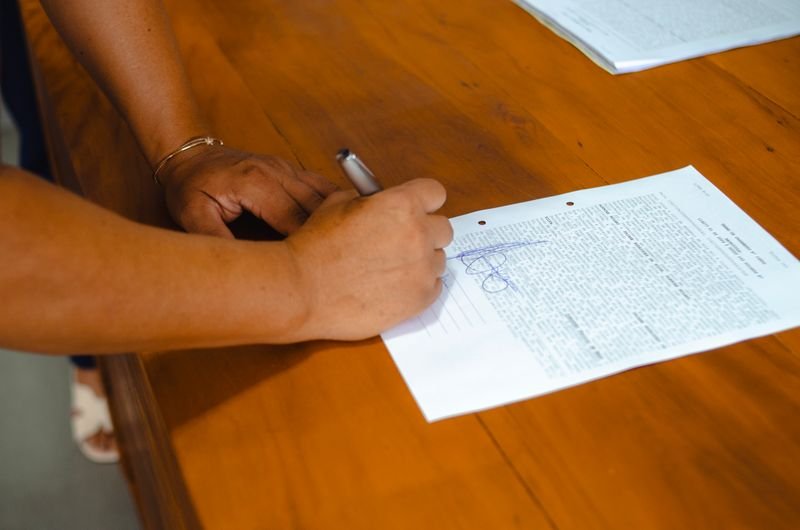
The seller cannot verify the title at the registry
Everything comes back to this one. The title is either recorded in the seller's name at the registry, or it is not.
Ask the seller to confirm the plot at the AGIS portal or the relevant state land registry, in your presence. A genuine owner has no problem with this. A fraudster will offer reasons to skip it, a contact who can fast-track it, a photocopy that looks official, an assurance that everyone in the area buys this way. A beautiful plot with a document that fails the registry check is still a loss. In February 2026 the FCTA nullified 485 Area Council land documents confirmed fake, all held by buyers who had paid believing they were genuine, as Vanguard reported. Every one of those buyers held a document. None of them held verified ownership.
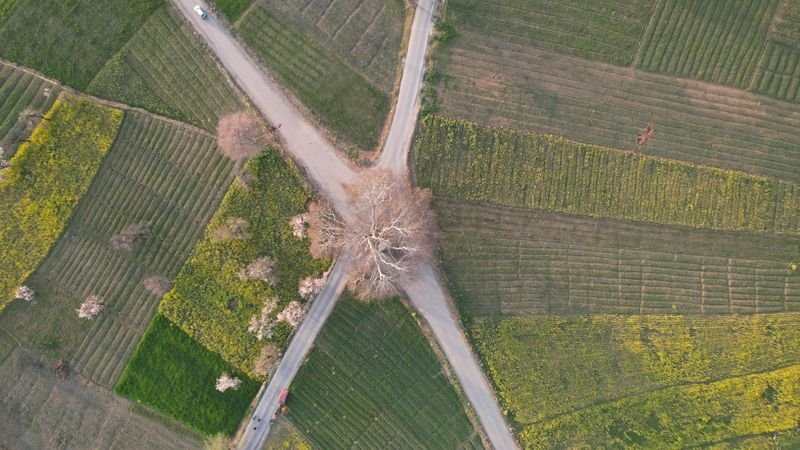
The land has more than one owner
The double sale is the scam that turns violent. The same plot is sold to three, four, five buyers, each holding paperwork, each certain the land is theirs.
It happens with family land where one member sells without the others' consent, with agents who resell a plot they have already sold, and with fake allocations layered on top of real ones. The check is the same registry search, plus a physical visit to the land and questions to the immediate neighbours about who actually owns and occupies it. If the story on the ground does not match the story on the paper, stop. Confirm you are dealing with the one person or company with the legal right to sell before you discuss price.
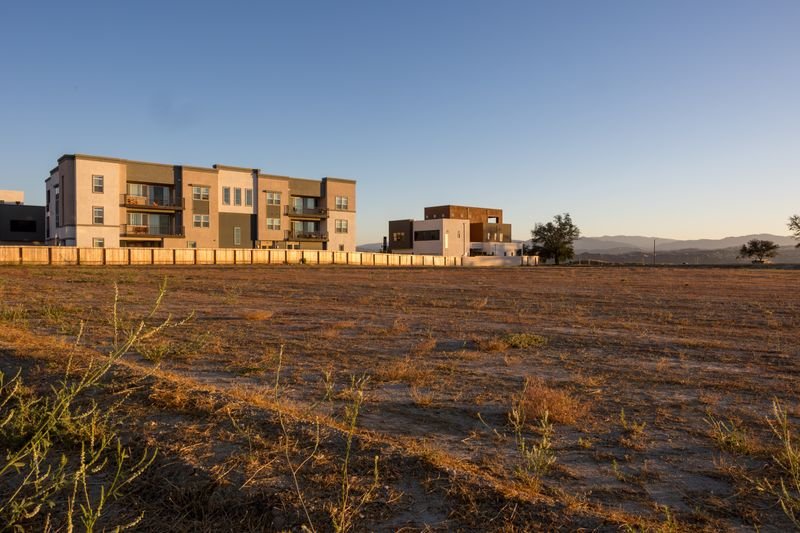
There is nothing on the ground, only a brochure
A glossy render, a drone video, a masterplan on a banner. None of it is proof that anything exists or that the title is clean.
This is why, at our Solar City site in Apo, we publish actual progress photographs of graded roads, concrete drainage, and homes under construction, rather than renders. We would rather show you progress than describe it, because a photograph of real work is something you can drive out and confirm with your own eyes. A seller who has only a brochure is asking you to trust a picture. Go and stand on the land. Ask what is built, what is serviced, and what is still a promise, then verify each answer. You can see the difference for yourself in our Solar City, Apo updates.

You are asked to pay into a personal account
The last red flag is at the payment itself. A registered company selling real land invoices you and receives payment through a verifiable company account.
Be careful when you are asked to pay into a personal account, to send cash, or to move money in a way that leaves no clean record. Every payment should be documented, receipted, and traceable to a named, registered seller. Confirm the seller's registration at the Corporate Affairs Commission, the way any buyer can check our own number, RC 9023084. If the person taking your money is not the same registered entity that holds the title, you are paying the wrong hands.
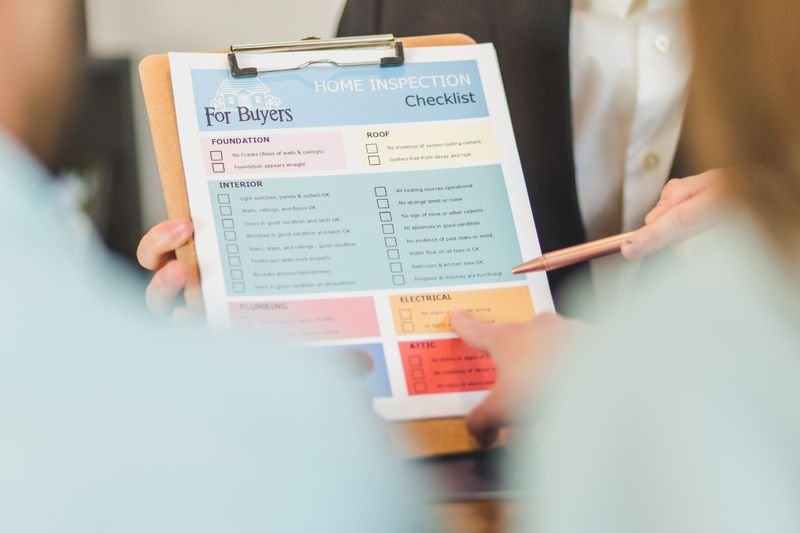
How to check a land deal before you pay
Put the seven together and the protection is a short, boring routine that costs far less than losing the land.
- Confirm the market price for the area, and question anything far below it.
- Demand a title you can verify today, not one in process.
- Refuse to be rushed. Take the days you need to search.
- Run an AGIS or state registry search, in the seller's presence.
- Visit the land, and ask the neighbours who owns it.
- Verify the seller's CAC registration, and pay only a registered entity.
- Get a dated receipt for every payment, into a traceable account.
Do these before any money moves. The single thread running through all of them is that a document in your hand is not ownership until the registry confirms it. For the full buying process from offer to title, read our guide to buying land in Abuja.

How we keep our buyers on the safe side
Everything above is simply how we already work, because we were built for exactly this risk.
We verify every title at AGIS before we list a property, and we confirm the seller's registration with the Corporate Affairs Commission. We sell land that is properly allocated, correctly used, and clean at the registry, so a buyer never inherits a fake document or a double sale. Here is when we tell a buyer no, when a title does not verify, we do not list it, and we will tell you to walk away from a deal we cannot stand behind, even our own. We would rather lose a sale than hand you a document that does not hold up. If you want to understand why so many Abuja titles are being cancelled, our post on Abuja land revocation explains it.

Frequently asked
Below are the questions buyers ask us most when they are trying to tell a genuine deal from a scam.

Still not sure? Send us a message
Send us the details of any land you are about to buy, wherever it is and whoever is selling it. We will tell you honestly what to verify, how to check the title, and whether it is safe before you pay a naira. If it is not, we will tell you that too.
Pentagon Homes: +234 (90) 48098852, WhatsApp or call. Suite 9, Second Floor, Juslima Plaza, 22 Raphael Ogboji Street, Lugbe, Abuja. Open Monday to Saturday.
What buyers usually ask us
How do I know if land in Nigeria is genuine?
Verify the title at the registry before you pay, not after. In Abuja that means an AGIS search to confirm the plot is allocated, current, and free of revocation or dispute. Confirm the seller is a company registered with the Corporate Affairs Commission. If the seller resists any of these checks, treat that resistance as your answer. A document in your hand is not ownership until the registry backs it.
What documents should I check before buying land in Abuja?
The title document first, a Certificate of Occupancy, Right of Occupancy, or a registered deed of assignment with Governor's consent. Then the survey plan, the allocation, and proof the seller has the right to sell. Every one of these should be verifiable at AGIS or the FCT Land Administration. Our guide to land title documents in Nigeria explains what each one means in plain English.
What is the most common land scam in Nigeria?
The 'in process' title. A seller says the Certificate of Occupancy is being processed and asks you to pay now and collect the paper later. In process has no timeline and no guarantee. Close behind it is the double sale, where the same plot is sold to several buyers, and the fake document that never passed a genuine official check.
How do I verify a Certificate of Occupancy?
Run a search at the Abuja Geographic Information Systems, known as AGIS, or the relevant state land registry. The search confirms whether the plot is properly allocated, whether the C of O is genuine, and whether the land is free of revocation or dispute. In 2026 the FCTA nullified hundreds of Area Council documents that were confirmed fake, so a certificate in your hand is not proof until the registry confirms it.
Can I get my money back after a land scam?
Sometimes, but rarely in full and never quickly. Recovery means police reports, lawyers, and often a fraudster who has moved the money or disappeared. It is far cheaper to spend a few days verifying before you pay than months chasing a refund after. The only reliable protection is prevention, verify the title and the seller before any money leaves your account.
Is it safe to buy land on installment in Nigeria?
Yes, if the title is verified and every payment is receipted. An installment plan is safe when you confirm the plot is genuine before the first payment, you get a dated receipt for each installment, and you know exactly what the final payment secures. It becomes a scam only when the underlying title was never real, so the plan is not the risk, the unverified title is.