

Buying the property is the start, not the finish. What you do in the first months and years after you collect your documents decides whether it grows your money or drains it. The work that matters is specific and unglamorous: perfect your title, keep your ground rent current, maintain the building, and decide early whether you will manage it yourself. This guide walks through each step, for a home or an investment property, from the day you get the keys.
Most buyers go quiet after payment. That is the mistake. Here is what the road after purchase actually looks like, and how to walk it well.

The first 90 days decide more than you think
The period right after you buy is deceptively important. The relief of being done makes people coast for a few months before thinking about next steps. Do not fall into that.
If you have just bought a home to live in, this is the time to:
- Perfect your title. Move from the sale agreement to a registered deed of assignment and the Governor's consent, so your ownership is recorded at the registry, not just agreed on paper. Our guide to land title documents in Nigeria covers each document you should hold.
- Confirm your ground rent and set a reminder to pay it. Unpaid ground rent is the most common reason Abuja titles get revoked, as we covered in our post on Abuja land revocation. Check your balance on the AGIS portal.
- Start a maintenance habit. Servicing the borehole pump, clearing the gutters before the rains, checking the roof. Small jobs stop five-figure repairs later.
- Keep every document in one place: allocation, receipts, survey, and title. You will need them to sell, transfer, or defend your ownership.
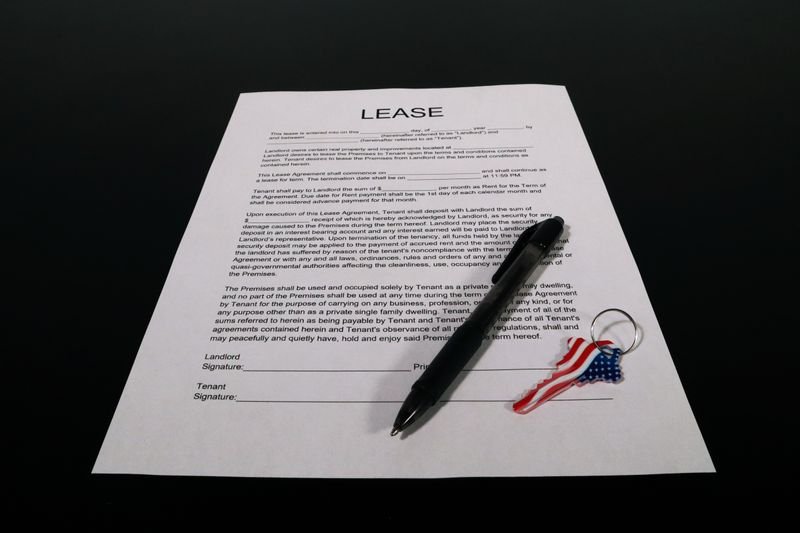
If you have bought an investment property, the first 90 days are operational. Get a proper tenancy agreement in place, line up a vendor you trust for repairs, and make the decision below.
Whether you actually need a property manager
This is one of the most common questions we get after a purchase, and the honest answer is that it depends on how many units you own, how far you live from them, and your tolerance for the 2 a.m. call about a burst pipe.
Manage it yourself when you own one or two units nearby, you have time for tenant screening and rent collection, and you want to keep the full margin. Bring in a manager when you are scaling past two or three properties, when you live far from the asset or abroad, or when you would rather the job not become a second job.
Here is the part owners underestimate. A manager usually charges 8 to 12 percent of the monthly rent, but the cheapest plot is rarely the best investment, because the price you pay is only part of the cost. Managing it yourself badly gets expensive through long vacancies, slow repairs, and a tenant dispute that ends up in court. Weigh the fee against what a mistake actually costs. For the full breakdown of what a manager does and what it costs, read our guide to property management services in Nigeria.
And here is when you do not need one. If you own a single flat in your city with a good long-term tenant, do not pay 10 percent to forward one rent payment a year. Manage it yourself and keep the fee.

Finishing your payment plan without a misstep
Most buyers here do not take a mortgage. They buy outright or on an installment plan. If you are on a plan, the after-purchase work is finishing it cleanly.
- Pay on schedule and collect a dated receipt for every single payment. A plan with no paper trail is a dispute waiting to happen.
- Confirm exactly what the final payment secures: your allocation, your title document, and your right to build.
- Take possession of your title only after the last naira is paid. Do not start heavy construction on a plot you have not fully paid for and been allocated.
- If you can pay ahead, ask whether it shortens the plan or reduces the balance. Clearing early ends the risk sooner.
Our own plans run the way the Comfort City offer does: 10 percent down, with the balance spread over 24 months. Only commit to a plan you can finish without starving your maintenance budget. A plan that only works when you ignore your running costs does not really work.
Equity is the quiet engine of long-term wealth
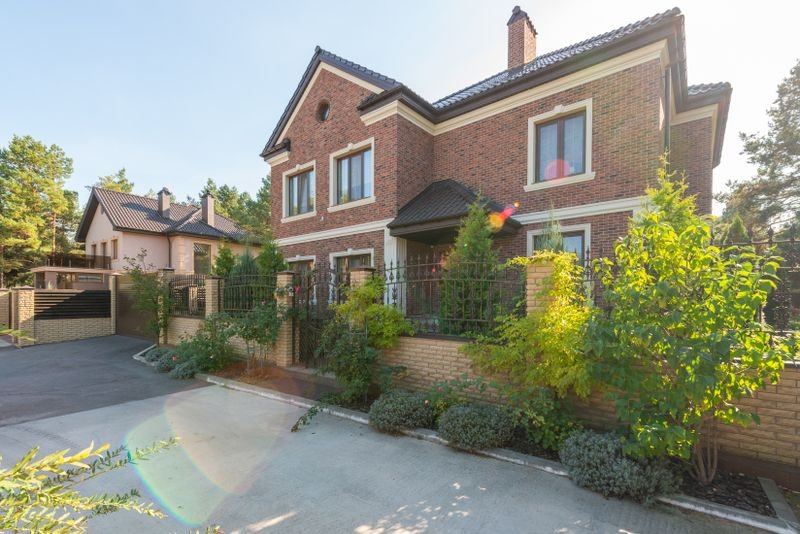
Whether you own a home or an investment property, equity is what quietly builds wealth. It grows two ways: appreciation you do not control, and payments you do.
On appreciation, location does the heavy lifting. Abuja land supply is controlled by the FCDA and is finite, so when real infrastructure reaches a corridor, prices follow, because no one can create more land there. That is why an early plot on a funded corridor tends to outperform a popular one bought late. Our guide to the best areas to invest in Abuja shows where value is moving.
On the part you control, pay down your plan and improve the property where it returns most. In Nigeria that usually means a proper fence and gate, a reliable water source, and power backup, well ahead of cosmetic work. For investment owners, long-term growth comes from reinvesting rent rather than spending it, using the income to fund the next deposit. We walk through that in how to build a real estate portfolio in Nigeria.

Hold, sell, or buy again: know your numbers first
Eventually most owners ask a version of the same question. Should I hold this property, sell it, or use it to buy the next one? There is no universal answer, but there is a universal starting point, and it is knowing your numbers. What the property is worth now, what similar ones rent for, how much of your plan is cleared, and your own timeline.
Hold if it earns and the area is still growing. Sell if the equity would work harder somewhere else. Buy again by using this property's value as the base for the next one. Real estate is a long hold, so if you might need the cash back within a year, that is a sign to keep it somewhere more liquid instead. This is exactly the conversation we want to keep having with you, long after the day you paid.

We do not disappear after you pay
For most agents the deal ends at payment. For us it starts there.
We are a registered company, RC 9023084, with 15 staff and 30 marketers across six estate sites in Abuja. You can check our registration yourself at the Corporate Affairs Commission. We verify every title before we list, property management is one of the services we run, and we stay reachable for a second opinion on whether to hold, sell, or buy again. We would rather be part of your long-term plan than a name on a folder from three years ago.

Frequently asked
Below are the questions owners ask us most in the months after they buy.

Still deciding? Send us a message
Tell us what you own and where you are in your plan. We will tell you what to perfect, whether to manage or self-manage, and whether to hold or sell. No pressure, and an honest answer even when the answer is to wait.
Pentagon Homes: +234 (90) 48098852, WhatsApp or call. Suite 9, Second Floor, Juslima Plaza, 22 Raphael Ogboji Street, Lugbe, Abuja. Open Monday to Saturday.
What buyers usually ask us
What should I do after buying property in Nigeria?
Four things, in order. Perfect your title so ownership is registered, not just agreed. Confirm and pay your ground rent. Start a maintenance routine before small problems become big bills. And if it is an investment property, decide early whether you will manage it yourself or use a property manager. The relief after payment makes people coast for months, and that is where value leaks away.
How do I perfect my title after buying land in Abuja?
Move from the sale agreement to a registered deed of assignment, and obtain the Governor's consent to the transfer. Register the transaction with the FCT Land Administration and confirm the plot at AGIS. Until the transfer is recorded in your name at the registry, you have a contract, not documented ownership. Keep every receipt, the survey, and the allocation together with the title.
Do I need a property manager for one property?
Usually not, if the unit is in your city and you have a reliable long-term tenant. Self-managing keeps the full margin and the workload is light at one or two units. You need a manager once you are past two or three properties, when you live far from the asset or abroad, or when you no longer want the job to be a second job.
How much do property managers charge in Nigeria?
The typical range is 8 to 12 percent of the monthly rent. The fee is not the whole story. The value is in shorter vacancies, faster turnover, and knowing landlord and tenant law well enough to keep you out of court. Weigh the fee against what a long vacancy or a bad tenant dispute actually costs.
Do I still pay ground rent after buying property in Abuja?
Yes. Ground rent is an annual charge the FCT Administration levies on allocated land, separate from what you paid for the plot. Unpaid ground rent is the single most common reason Abuja titles have been revoked. Confirm your balance with the FCTA or on the AGIS portal and keep it current. It is small next to the value of the property, and ignoring it is how owners lose land they fully paid for.
Should I hold or sell my property?
Start with your numbers: what the property is worth now, what similar ones rent for, how much of your payment plan is cleared, and your own timeline. Hold if it earns and the area is still growing. Sell if the equity would work harder elsewhere. Real estate is a long-term hold, so if you may need the money back inside a year, that is a sign not to lock it in here.