
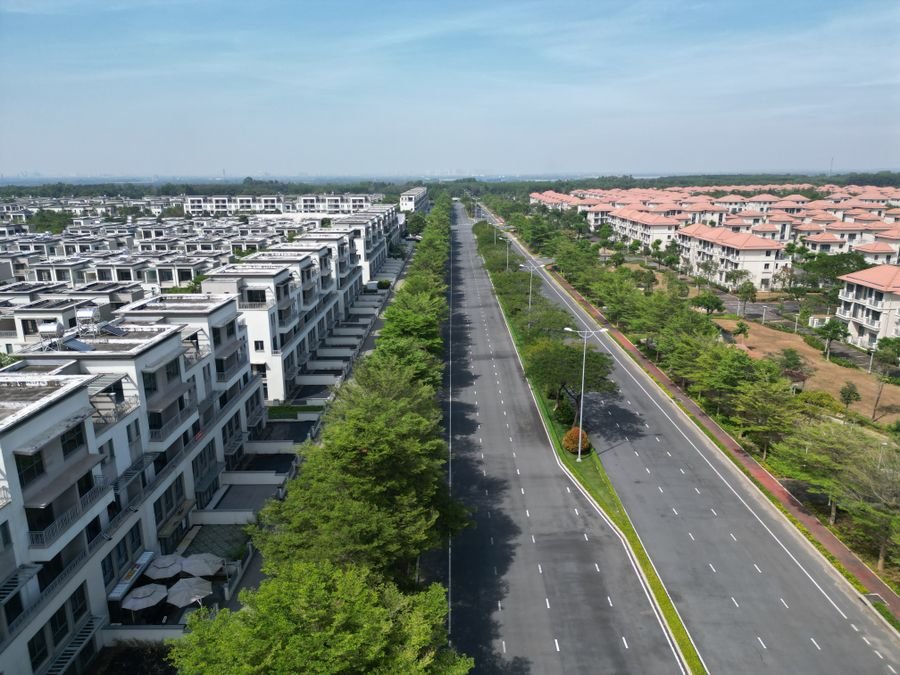
The best areas to invest in Abuja in 2026 are the emerging corridors, not the established ones. Lugbe and the wider Airport Road corridor, Kuje, and the Idu and Apo growth edges offer a lower entry price with real room to rise, because the infrastructure moving into them is still repricing the land. The premium districts, Maitama, Asokoro, and Wuse 2, are already expensive and largely priced in. This guide covers where the growth actually is, why, and how to check a corridor is really moving before you commit.
Welcome to our Neighbourhood Spotlight Series, where we look at where smart investors are positioning for the future rather than where the market already is. This edition takes the broad view: what makes an emerging Abuja neighbourhood worth buying into, and which corridors fit the case right now.
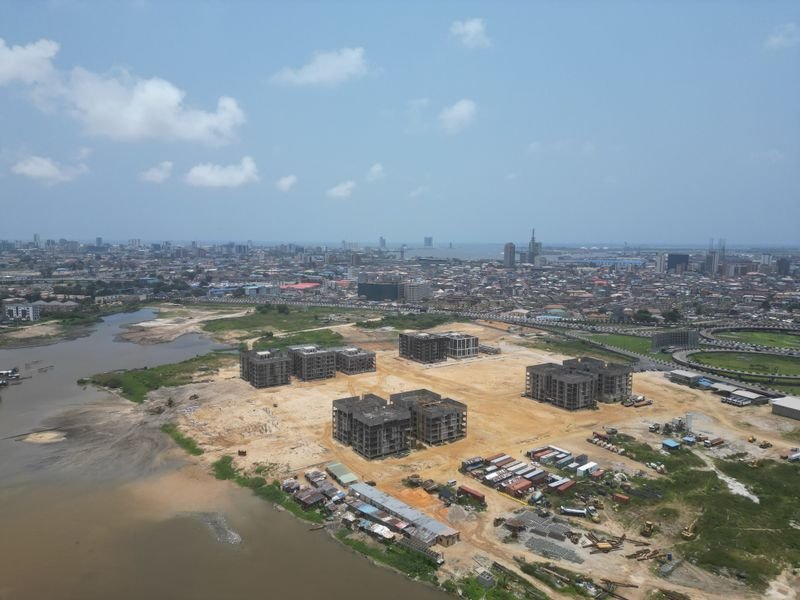
Where smart investors are buying in Abuja now
The money is moving to the edges, not the centre. Established, high-value districts are expensive precisely because everyone already knows about them.
Abuja's continued development has created opportunities beyond the traditional high-value areas. As established locations become more expensive, investors are increasingly looking toward emerging neighbourhoods where land and property still offer an attractive entry point. The corridors most often named for 2026, Kuje, Katampe Extension, Guzape, Lokogoma, Dawaki, and the Airport Road belt including Lugbe, share one thing: the ground is actively changing. That is where the appreciation lives.
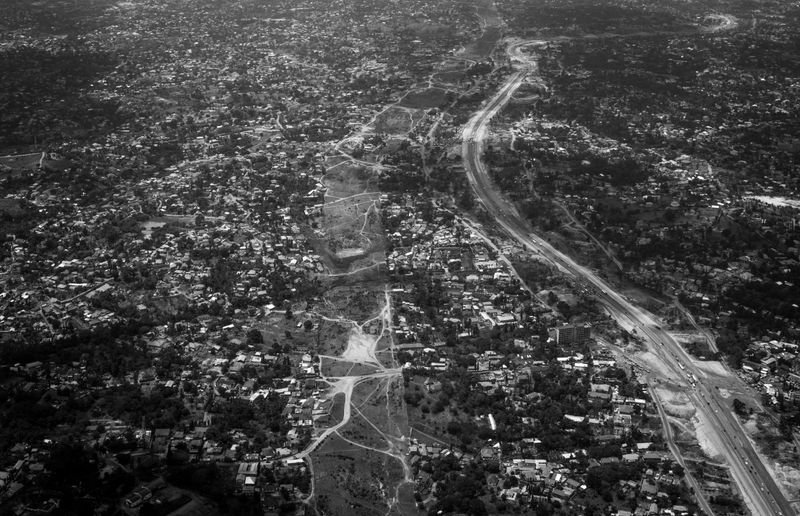
Why the neighbourhood decides your return
The old principle that location is everything still holds, but the useful version is sharper: what matters is where the location is headed, not where it sits today.
A property can have excellent physical features and still be a weak investment if it is in the wrong place, and an ordinary property in a rising corridor can outperform it. In Abuja, land supply is controlled by the FCDA, so it is finite. When infrastructure pushes demand into a corridor, prices follow, because no one can create more land there. That is why the neighbourhood, more than the building, sets your long-term return.
Abuja has one advantage most Nigerian cities do not: a master-plan structure that makes long-term value more predictable. Values in the well-planned Phase 1 and Phase 2 districts have appreciated at a steady pace, commonly cited between 8% and 12% a year. The city's price-to-rent ratio sits around 22 to 24 years, higher than the 15 to 18 usually considered balanced, which tells you buyers are pricing in future growth rather than current rent. For an investor, that shifts the question from whether an area will grow to which corridor is early enough to still be cheap.

What makes an Abuja neighbourhood worth buying into
Smart investors look past the current appearance of an area and ask a short list of questions. Each one is really asking whether demand is about to rise.
- Is the neighbourhood expanding, with new estates and residents moving in?
- Are roads and other infrastructure improving?
- Is there rising demand for housing?
- How accessible is it to the city centre and the airport?
- Are businesses and commercial activity moving closer?
- What is the realistic potential for future appreciation?
- Can the property generate rental income while you hold it?
If most of these point the same way, the area is worth a serious look. If they do not, a low price is not enough to make it a good buy. These questions are what separate simply buying property from making a strategic investment.
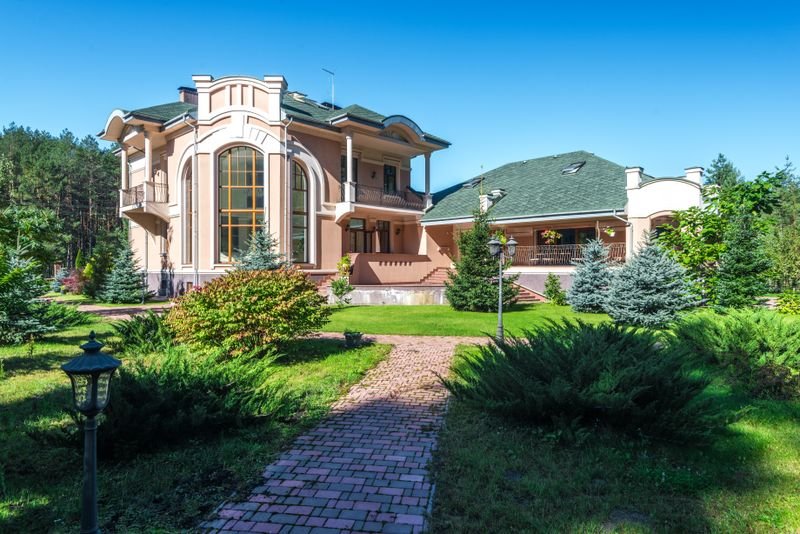
Established districts are already priced in
Maitama, Asokoro, and Wuse are prestigious, stable, and largely finished growing. You pay for the certainty.
Land in Maitama runs around ₦1.6 million per square metre and Wuse 2 around ₦2.5 million, according to market data on Abuja areas. The yields tell the same story: premium lifestyle districts like Wuse 2 and Jabi return only about 2% to 3% gross, because purchase prices have outpaced rents. These areas suit a buyer who wants a trophy address and capital preservation. They are a weak fit for an investor whose goal is appreciation, because the appreciation has mostly already happened.

Established or emerging: a side-by-side view
The clearest way to see the trade-off is to line the two tiers up against each other.
| Area | Tier | Price signal | Yield and outlook | |---|---|---|---| | Maitama, Asokoro | Established | ~₦1.6m per sqm | ~7% yield, growth mostly priced in | | Wuse 2, Jabi | Established | ~₦2.5m per sqm | 2% to 3% yield, prices outpaced rents | | Gwarinpa | Mid-market | Moderate | Steady 6% to 10% yield, consistent demand | | Lugbe, Airport Road | Emerging | Lower entry | 6% to 10% yield, 8% to 15% appreciation | | Kuje | Emerging | Below Lugbe | Early corridor, Centenary City catalyst | | Idu, Apo | Emerging | Lower entry | Rail and southern growth, room to rise |
Read down the price and outlook columns together. The established tier asks a high price for growth that has already happened. The emerging tier asks a lower price for growth that is still arriving. That gap, between what a corridor costs today and what its infrastructure will make it worth, is where the return sits. Katampe Extension shows the mechanism in fast motion: the N16 interchange has driven price jumps of roughly 30% to 40% in connected pockets, and homes near completed infrastructure have gained 15% to 30% within two to three years.

The Airport Road corridor: Lugbe and its neighbours
The Airport Road corridor is the clearest emerging-area case in Abuja, and it is where a large part of our own inventory sits.
Good homes in the corridor and comparable growth areas have appreciated at roughly 8% to 15% a year, stronger where a new interchange or access road lands nearby. Lugbe anchors it: an accessible, well-run district with consistent tenant demand and documented gross rental yields in the 6% to 10% range, better than the saturated lifestyle districts closer to town. We run De-Residence here, with 350sqm and 450sqm plots, and Peace City on the Airport Road itself. The corridor works because the infrastructure is real and in use, not promised.
Kuje: priced today the way Lugbe was priced yesterday
Kuje is the corridor's best value argument, and it rests on a single observation.
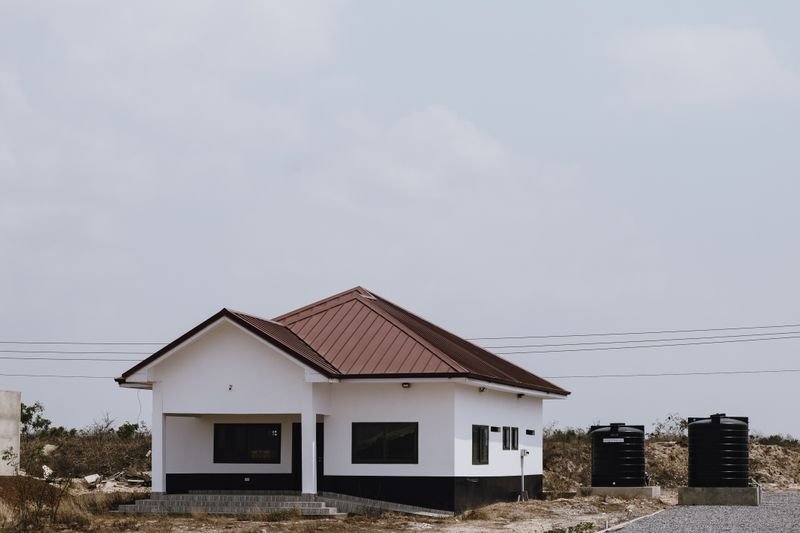
Kuje sits on the same Airport Road corridor and the same FCT address as Lugbe, at a lower current price, which is roughly where Lugbe was before Lugbe repriced. It has a catalyst Lugbe never had at that stage: direct adjacency to Centenary City, a 1,200-hectare master-planned development. Our Comfort City estate in Kuje offers 250sqm, 350sqm, and 450sqm plots, which is the kind of entry price that becomes hard to find once a corridor is discovered. The risk is the same as any early buy, and we cover how to manage it below.
Idu and Apo: the city's quieter growth edges
Two more corridors reward early positioning, for different reasons.
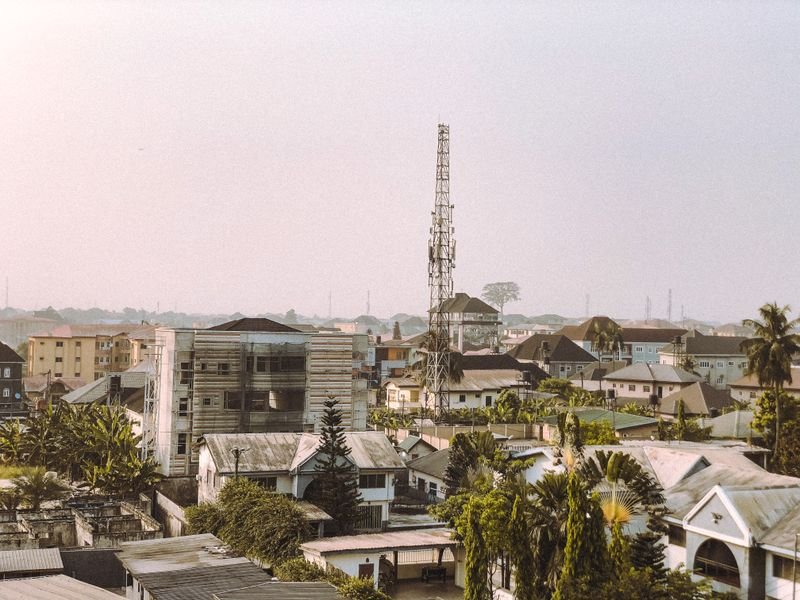
Idu is Abuja's industrial and rail node, anchored by the railway station, which pulls in workers, logistics, and steady housing demand. Our Metro Villa estate sits there, behind the station, with 200sqm, 300sqm, and 500sqm plots. Apo, to the south, is a more established but still expanding district where our flagship Solar City runs the widest range we offer, from 170sqm terraces up to 1000sqm. Neither is a highbrow trophy address, and that is the point: the entry price leaves room for the area to grow into it.
How to tell a corridor is really growing
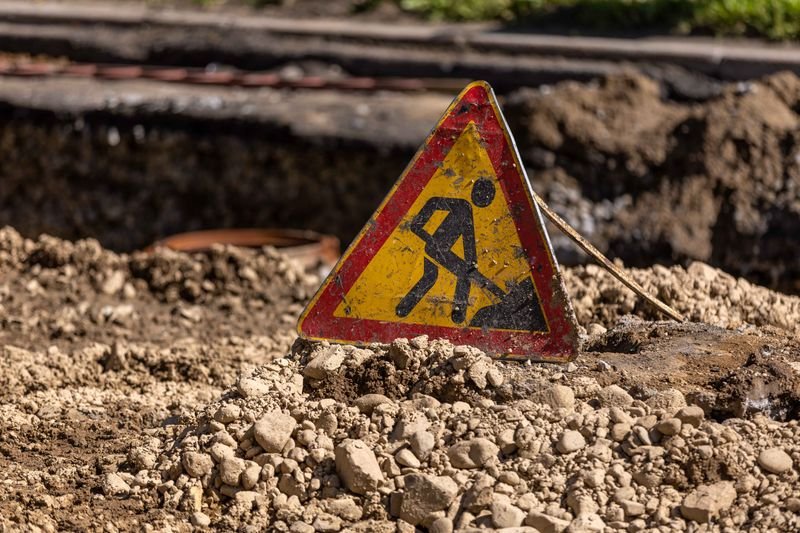
This is the sentence that protects your money, so read it twice. A corridor with active construction, a real road, and rising occupancy is growing. A corridor with a signboard and a promise is not, yet.
That is the one strong opinion in this guide, and it is the difference between the investors who profit from early corridors and the ones who lose money in them. Buying early on funded, visible infrastructure is how the best Abuja returns were made. Buying early on a brochure is how people get stuck holding land that never repriced. Before you buy, confirm the road project is funded and under way, check what serious developers are already building nearby, and drive the area at different times to see whether people are actually moving in. A budget line in a speech is not a road you can drive on.
When not to buy into an emerging area
Emerging does not mean safe. Here is when to hold off, even when the growth story sounds good.
Do not buy in a corridor whose title you cannot verify at the registry. This cancels every other advantage. A promising area with a bad title means you are buying appreciation you may never legally own. We verify every title before we list a property, and you should confirm it yourself before paying a naira, from us or anyone else. Do not buy on a promise of infrastructure that is only announced, and do not overpay for an emerging area on the assumption it will rise, because the entry price is supposed to be the advantage. And walk the ground: check for flooding in the rains and confirm the access road is real, since both are easy to miss and expensive to discover later.
Where we already are, and how we help
We built our estates in these corridors on purpose, on the same logic this guide describes.
Our eight sites, Metro Villa in Idu, Guzape, King's Court in Kubwa, Comfort City in Kuje, Green Villa in Kuje, De-Residence, Peace City on Airport Road, and Solar City in Apo, sit in the emerging corridors rather than the finished ones. We verify each title at the registry and confirm the seller's registration with the Corporate Affairs Commission before any plot reaches a client. Our own number is RC 9023084, which you can check yourself. We will also tell you when an area does not fit your goal or budget, rather than push a sale, because the right corridor follows your strategy, not the hype.

Frequently asked
See the FAQ section below for short answers to the questions investors ask us most.

Still not sure? Send us a message.
Tell us your budget, your timeline, and what you want the property to do, income now or growth later. We will tell you honestly which Abuja corridor fits, what is available in it, and what to verify before you buy.
Pentagon Homes: +234 (90) 48098852. Open Monday to Saturday.
What buyers usually ask us
Which is the best area to invest in Abuja in 2026?
There is no single best area, only the best fit for your budget and horizon. For appreciation on a lower entry price, the emerging Airport Road corridor, Lugbe, Kuje, and the Idu and Apo growth edges offer the strongest case. For established rental demand, Gwarinpa and Lugbe are steadier. The premium districts, Maitama, Asokoro, and Wuse 2, are already priced in.
What are the up and coming areas in Abuja?
The corridors most commonly named for 2026 are Kuje, Katampe Extension, Guzape, Karsana, Lokogoma, Dawaki, Life Camp, and the wider Airport Road corridor including Lugbe. These are areas where roads, estates, and government projects are actively changing the ground, not just the brochure.
Is Kuje a good place to buy land in Abuja?
Kuje has a clear investment case: it sits on the same Airport Road corridor and FCT address as Lugbe, at a lower current price, with the 1,200-hectare Centenary City development next door as a catalyst. It is roughly where Lugbe was priced before Lugbe repriced. The usual condition applies: verify the title and confirm the infrastructure is funded, not just announced.
Which Abuja areas have the best rental yield?
Mid-market corridors like Lugbe and Gwarinpa give the best documented gross yields, roughly 6% to 10% a year. Citywide, yields range from about 2% to 7%, with premium lifestyle districts such as Wuse 2 and Jabi at the low end, around 2% to 3%, because purchase prices there have outpaced rents.
Are Maitama and Asokoro good investments?
They are prestigious and stable, but the growth is largely priced in. Land in Maitama runs around ₦1.6 million per square metre and Wuse 2 around ₦2.5 million, so the entry cost is high and the yield modest. They suit buyers who want a trophy address and capital preservation more than investors chasing appreciation.
How do I know an Abuja neighbourhood will appreciate?
Look for funded, visible infrastructure, not announcements. A road under construction, estates actively building, rising occupancy, and confirmed government projects are real signals. A signboard and a promise are not. Areas getting new interchanges and access roads have seen good homes appreciate at roughly 8% to 15% a year, and more where a major project lands nearby.