
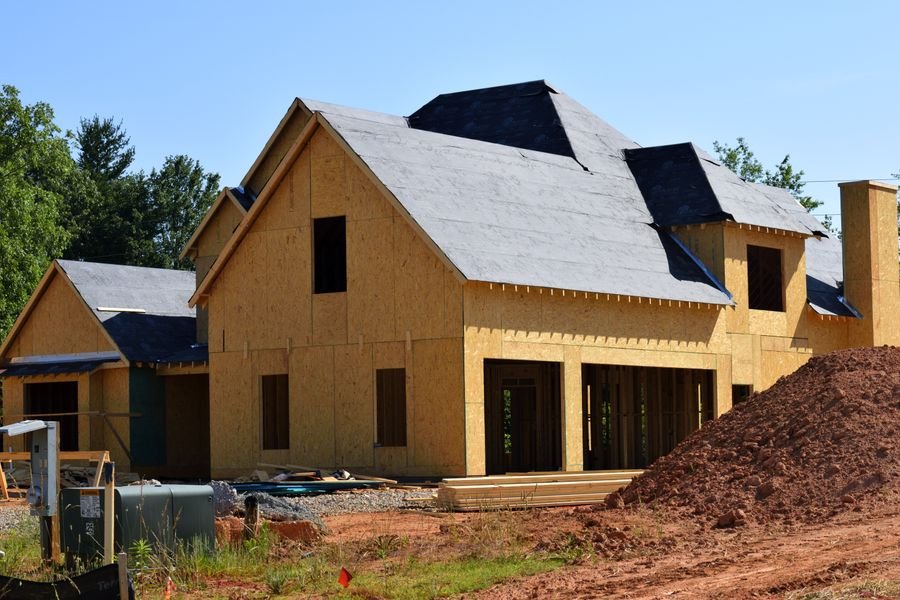
You can finance an investment property in Nigeria without a bank mortgage, and most buyers here do. The realistic options are a National Housing Fund mortgage at 6%, a developer installment or off-plan plan, seller financing, rent to own, a cooperative loan, a joint venture, or borrowing against what you already own. Each suits a different buyer, budget, and timeline. This post explains all seven, the real numbers behind them, and the one that quietly cancels every other advantage if you get it wrong.
A mortgage is the natural starting point for a first purchase. It is familiar, and for a salaried buyer it can work. But Nigeria's formal mortgage market is thin, commercial rates are high, and approval is slow. Investors who want to move on the right property, or hold more than one, quickly find that the bank is rarely the best tool. Here is what to use instead.
Why a mortgage is rarely the whole answer in Nigeria
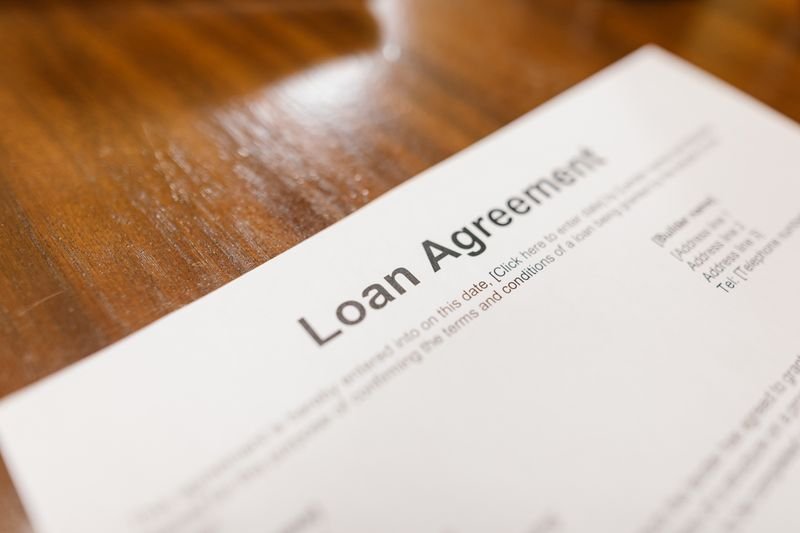
Nigeria's mortgage market is small, expensive, and slow, which is why most property here is bought another way.
Commercial bank mortgages run roughly 18% to 27% a year, over 5 to 25 years, usually financing up to 80% of the property value. At those rates the maths is brutal. Documented residential property in established Abuja areas like Lugbe and Gwarinpa yields 6% to 10% a year gross. Borrow at 20% to earn 8% and you are not investing, you are subsidising the bank.
That single comparison is the strongest opinion in this post, and it is just arithmetic. A commercial mortgage only makes sense when you expect appreciation to do the heavy lifting, or when the property is a home you will live in rather than a yield calculation. For a pure investment, the expensive money has to clear a very high bar. Most of the options below clear it more easily.
The NHF mortgage, the cheapest money most buyers ignore
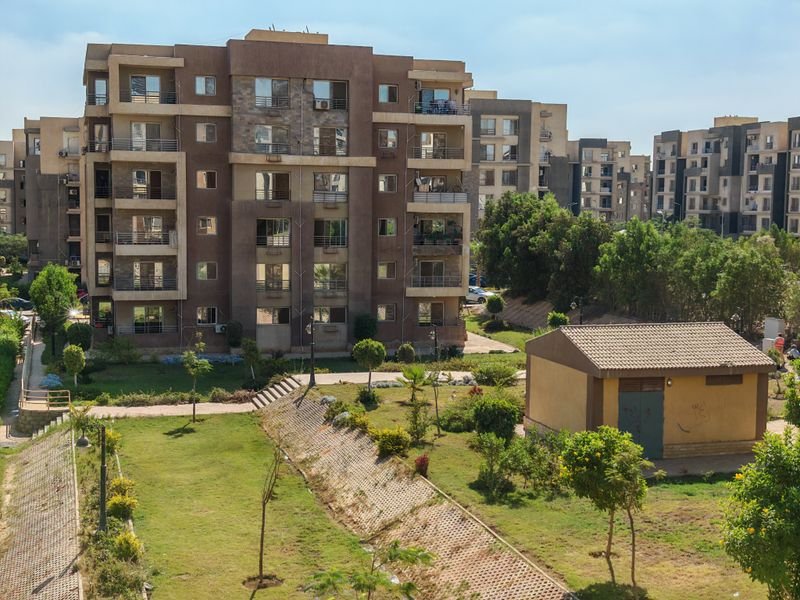
The National Housing Fund mortgage is the cheapest formal financing in Nigeria, and most people never use it.
It runs through the Federal Mortgage Bank of Nigeria at 6% a year over up to 30 years. The bank recently raised the maximum loan from ₦15 million to ₦50 million per contributor. To qualify you contribute 2.5% of your monthly income to the fund, must earn at least ₦3,000 a month, and must be between 18 and 60 years old.
The price is unbeatable. A 6% mortgage in a market where commercial banks charge 18% to 27% is not a small edge, it is a different category of money. The trade-offs are real too. You have to be an NHF contributor first, the paperwork is slow, and the loan is designed for owner-occupied homes rather than a rapid buy-to-let portfolio. This is the option that rewards planning years ahead. If you are salaried and buying something to live in, start contributing now, because the version of you buying in three years will be glad you did.
Developer installment and off-plan payment plans
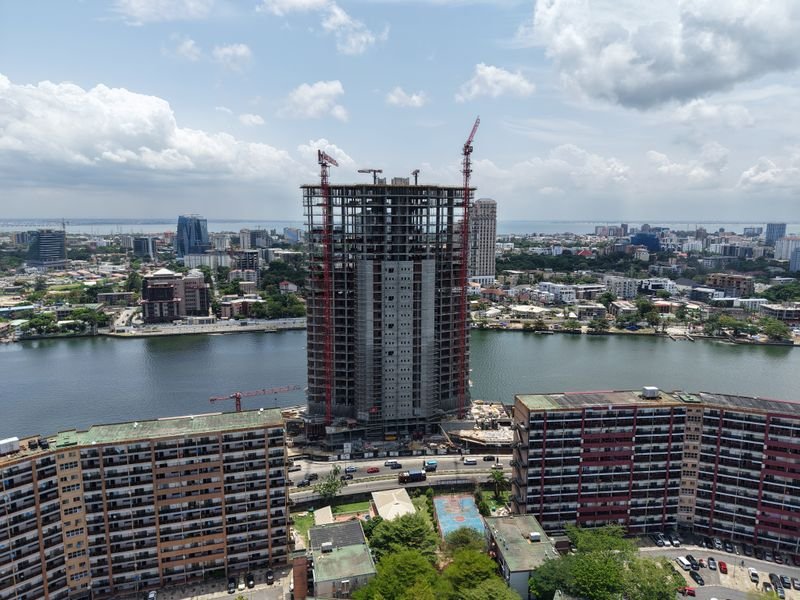
The most-used alternative to a mortgage in Nigeria is paying the developer directly, in installments, while the property is being built.
The structure is simple. You reserve a unit with a deposit, commonly 10% to 30%, then pay the balance in stages, often tied to construction milestones. Plans typically run 12 to 24 months, sometimes longer, and many carry zero or low interest. For off-plan, you buy before or during construction at a lower price than the finished unit will cost, and the developer uses your staged payments to build.
This is how a large share of our own sales work, including at Solar City in Apo, where plots run from 170sqm up to 1000sqm. Paying in stages lets a buyer enter at a price they could not meet in one lump, and lets an investor lock in today's price on a unit that should be worth more once it is finished and the area develops.
The risk in off-plan is not the payment plan, it is the developer. Delivery gets delayed, projects stall, and in the worst cases the land under the development has a weak title. Off-plan is safe when four things are true: the developer has a track record you can check, the land title is confirmed at the registry, a lawyer has reviewed the agreement, and every promise is in writing. We verify the title before we sell a plot, and we would rather show you progress on site than a render. When you buy off-plan from anyone, insist on the same.

Seller financing, when the owner becomes the bank
Seller financing is when the property owner lets you pay them directly over time, instead of paying a bank.
You put down a deposit, then pay the balance to the seller in installments under agreed terms. It bypasses bank underwriting entirely, which is useful for a buyer who cannot get a mortgage or wants to close quickly. The interest rate, deposit, and schedule are all negotiable, which a bank would never allow.
It depends on finding a willing seller, and the terms vary widely in quality. This is the arrangement most likely to go wrong on paper, so the contract has to be reviewed by a property lawyer before you sign, with the terms around default, late payment, and title transfer spelled out in plain English. Get that right and it is one of the most flexible tools available. Get it wrong and you can pay for years and still not own the property cleanly.

Rent to own, paying toward ownership while you live there
Rent to own lets you move in as a tenant now and buy the property later, with part of your rent counting toward the purchase price.
The price is usually fixed in advance, so you know what you are working toward. It suits a buyer who cannot raise a large deposit today but wants to stop paying dead rent and start building toward ownership. You get to live in the property while you pay, which also tells you whether you actually want to own it.
The caution is the same as every other option here. The developer or landlord must be credible, the title must be verified, and the contract must be clear about what happens if you miss a payment or decide not to buy. A portion of rent credited toward a purchase is only worth anything if the agreement holding that promise is solid.

Cooperative societies and thrift contributions
Cooperative societies pool money from members and lend it back at rates below what commercial banks charge.
For many Nigerians, especially in the informal sector, this is the most accessible property finance there is. Documentation is simpler, repayment terms are negotiable, often 5 to 20 years, and the rates are lower because the group subsidises them or negotiates collectively. If you belong to a workplace or community cooperative, it may be the cheapest money you can actually get approved for, faster than any bank.
The limits are size and reliability. A cooperative can only lend what its members have contributed, so the ceiling may be lower than the property you want. The society also has to be well run and honest, which is not guaranteed. Treat a cooperative loan the way you would treat any other, and confirm what happens to your contributions if you leave.

Joint ventures, land for a share of the build
In a joint venture, one party brings the land and another brings the money or the building expertise, and they split the result.
This is how a great deal of Nigerian development actually happens. A landowner who cannot afford to build partners with a developer who can. The land is the landowner's equity, the developer funds and builds, and they share the finished units or the profit under an agreed structure. For an investor, a joint venture is a way to grow without stretching your own borrowing, because you are combining resources rather than taking on debt.
The whole thing lives or dies on the agreement and the title. A joint venture on land with a disputed title is a lawsuit waiting to happen. Every party's contribution, share, and exit has to be documented before anyone spends a naira, and the land title has to be clean and confirmed. This is not a handshake deal, no matter how well you know the other side.

Private lending, and borrowing against what you own
If you already own property with value in it, or you have people who will lend to you, that is capital you can put to work.
Two honest versions of this exist in Nigeria. The first is borrowing from private lenders or individuals, which is faster and more flexible than a bank and often secured against the property itself rather than your payslip, though it usually costs more. The second is borrowing from family or friends, informal but common, and effective when the terms are still written down like a real loan. If you own a property outright, a bank may also lend against it as collateral, which lets an existing asset fund the next one.
The discipline is the same in all three. Money borrowed cheaply from people who trust you is still money you have to repay, and mixing family and default is how relationships end. Put the terms on paper, keep the amount within what the new property can service, and do not bet a home you already own on a deal you have not checked.

Which financing option fits which buyer
There is no single best option. The right one depends on who you are, what you are buying, and how fast you need to move.
| Option | Best for | Rough cost | Speed | |---|---|---|---| | NHF mortgage | Salaried buyers planning ahead, owner-occupiers | 6% a year | Slow | | Commercial mortgage | Buyers who need a bank and expect appreciation | 18% to 27% a year | Slow | | Developer / off-plan plan | Investors and buyers paying in stages | Often 0% to low | Medium | | Seller financing | Buyers who cannot get a mortgage | Negotiable | Fast | | Rent to own | Buyers with no large deposit | Built into rent | Medium | | Cooperative loan | Members, informal sector earners | Below bank rates | Medium | | Joint venture | Landowners and investors combining resources | Shared upside | Varies |
Match the tool to the deal. A time-sensitive off-market plot might call for seller financing. A salaried buyer with patience should be an NHF contributor already. An investor buying into a growing corridor is usually best served by a developer plan on a verified title. The buyers who scale are rarely the ones who stuck to one method, they are the ones who used the right one each time.

When not to finance at all
Sometimes the honest answer is do not borrow. Here is when.
Do not finance a property whose title you cannot verify at the registry. This is the one that cancels everything else. A brilliant payment plan on land with a bad title means you are paying, on schedule, for something you may never legally own. The plan is not the risk. The title is. We verify every title before we sell, and you should refuse to pay a naira on any property, from anyone, until you have confirmed it yourself.
Do not finance if you need the money back inside 12 months. Property is not liquid, and a financed property is worse, because you owe payments whether or not you have sold. Do not take on a plan your income cannot survive a bad month against. And do not borrow at 20% to chase an 8% yield and call it strategy. If the only way a deal works is by ignoring the cost of the money, it does not work.

How we structure financing at Pentagon Homes
We build and sell on installment and off-plan plans across our six estates, and we verify title before we offer any of them.
Tell us your budget and your timeline, and we will show you what fits: a staged plan on a plot at Solar City, a completed unit you pay for over months, or an honest recommendation to wait and contribute to the NHF first if that serves you better. We confirm every plot at the registry and check the seller's registration with the Corporate Affairs Commission before it reaches you. Our own number is RC 9023084, and you should check it rather than take our word for it.
We will also tell you when not to buy from us. If the numbers do not work for your goal, or a cheaper route fits you better, we will say so. That is the point. Financing should make a good property reachable, not turn a bad one into a mistake you pay for in installments.

Frequently asked
See the FAQ section below for short answers to the questions buyers ask us most.

Still not sure? Send us a message.
Tell us your budget, your timeline, and how you would like to pay. We will walk you through which financing option actually fits, what to verify first, and what is available across our estates. If a route we do not offer suits you better, we will point you to it.
Pentagon Homes: +234 (90) 48098852. Open Monday to Saturday.
What buyers usually ask us
Can you buy property in installments in Nigeria?
Yes. Most developers, including us, let you spread payment over 12 to 24 months, sometimes longer, often at zero or low interest. You reserve a unit with a deposit, usually 10% to 30%, and pay the balance in stages. Confirm the title is clean and get every term in writing before the first payment.
What is the cheapest way to finance a house in Nigeria?
The National Housing Fund mortgage through the Federal Mortgage Bank of Nigeria, at 6% a year over up to 30 years, is the cheapest formal option by a wide margin. Commercial bank mortgages run 18% to 27% a year. The catch with the NHF is that you must be a contributor and the process is slow, so it rewards planning ahead.
How much is the NHF mortgage in Nigeria?
The Federal Mortgage Bank of Nigeria raised the maximum National Housing Fund loan from ₦15 million to ₦50 million per contributor. You contribute 2.5% of your monthly income, must earn at least ₦3,000 a month, and be between 18 and 60. The loan is granted at 6% over a maximum of 30 years.
Is buying off-plan property in Nigeria safe?
It can be, if you do the checks. The real risks are developer delay, non-delivery, and a weak title under the development itself. Off-plan is safe when you verify the developer's track record, confirm the land title at the registry, get a lawyer to review the agreement, and keep every promise in writing. Skip those steps and it is a gamble.
What is seller financing in Nigeria?
Seller financing is when the property owner acts as the lender. You pay a deposit, then pay the balance directly to the seller in installments over an agreed period, rather than through a bank. It bypasses bank underwriting, which suits buyers who cannot get a mortgage, but the contract must be reviewed by a lawyer to fix the terms around default and title transfer.
Do I need a mortgage to invest in real estate in Nigeria?
No. Nigeria's mortgage market is small, and most property here is bought without one. Developer installment plans, seller financing, rent to own, cooperative loans, joint ventures, and personal savings all fund purchases every day. A mortgage is one option among several, and often not the cheapest or the fastest.