
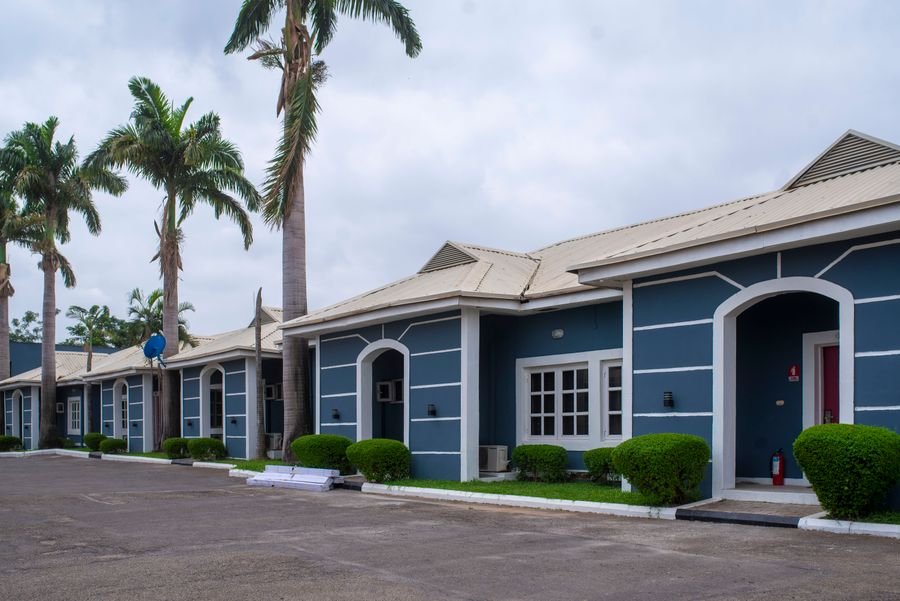
Rent if you might leave Abuja within two to three years or your income is not yet steady. Buy if you are staying for the medium to long term and can commit to a payment plan, because Abuja's price-to-rent ratio of roughly 22 to 24 years means renting your way to a home's value takes longer than it should. There is no universal answer, but there is a right answer for your situation, and the 2026 numbers make it clearer than the argument you keep having with yourself.
This is one of the most debated questions among young professionals, civil servants, and returning diaspora members planning their next five years in the capital. Below is the honest breakdown, the real costs on both sides, and the point where the maths stops being close.
Should you rent or buy in Abuja right now
Start with time horizon, not price. It decides more than any other number.
If you will be in Abuja for more than three to five years with a stable income, the data leans toward buying. If you might move within two to three years, or your income is not yet steady, renting is the safer position. Everything else, upfront cost, interest rates, appreciation, refines that answer rather than overturning it. Read on for the numbers that set the threshold.
The real cost of renting in Abuja
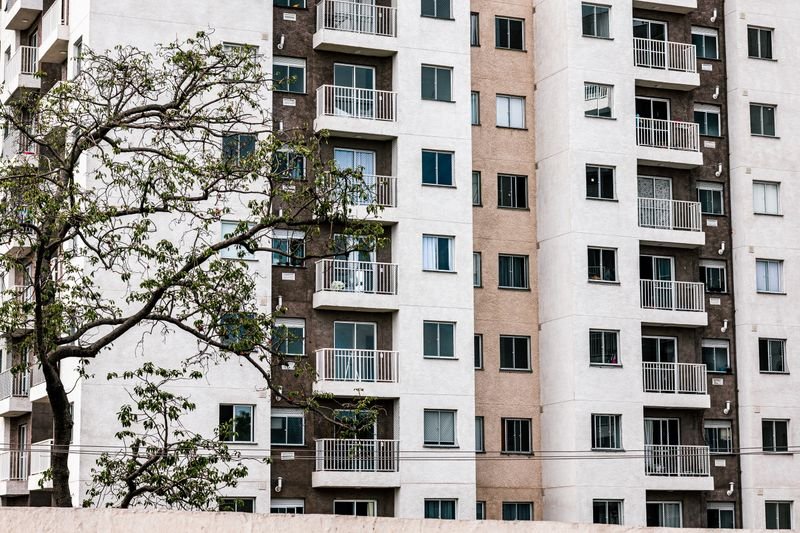
Renting in Abuja carries a structural quirk most renters elsewhere never face: the annual upfront payment.
Abuja landlords typically demand one to two years of rent in advance rather than monthly instalments. So renting here still requires a large lump sum, just one that builds you no equity. You hand over the equivalent of a deposit every year or two and own nothing more at the end of it.
Demand makes it worse. Well-priced rental units in accessible, well-run districts like Gwarinpa, Wuye, Jahi, Lokogoma, and Lugbe are getting harder to find as young professionals, government workers, NGO staff, and relocating families compete for a limited pool. Vacancy for affordably priced homes in those areas stays tight, and landlords know it, which keeps renewal pressure on prices.
The trade-off is flexibility, and it is real. Renting lets you avoid a large capital commitment, relocate for work without selling anything, and sidestep maintenance and the costs of ownership. For someone unsure they will stay, or preserving capital for a business or further studies, renting remains a sensible short-term strategy. It is not throwing money away if flexibility is the thing you actually need.
The real cost of buying in Abuja
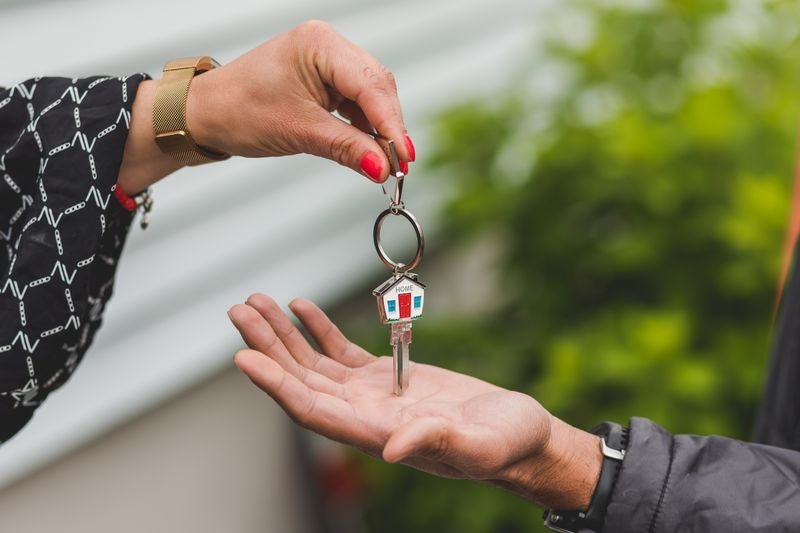
Buying looks intimidating because of one number: the mortgage rate. Take that number away and the picture changes completely.
Commercial bank mortgages in Nigeria currently run about 18% to 27% a year, tracking a central bank policy rate that sits at 26.5% as of May 2026. At that cost, a bank-financed home is genuinely expensive, unless you qualify for a subsidised scheme like the National Housing Fund, where the rate falls to 6% for eligible contributors. You can check current policy rates with the Central Bank of Nigeria and the NHF terms with the Federal Mortgage Bank of Nigeria.
This is exactly why direct developer payment plans have become the preferred route for many Abuja buyers. A structured 12, 18, or 24 month plan sidesteps double-digit bank interest entirely and replaces it with a fixed, interest-free instalment agreed with the developer. The deposit is smaller too, often 5% to 10% rather than the years of rent a landlord would demand. For a salaried buyer, that combination, small deposit and no bank interest, is what makes ownership reachable at all.
What the appreciation and yield numbers say
Here is where the data gets interesting, and where the medium-term case for buying is actually made.
Property values in Abuja's Phase 1 and Phase 2 districts have appreciated at a steady pace, commonly cited between 8% and 12% a year, helped by the city's master-plan structure, which makes long-term value more predictable than in less-regulated markets. Rental yields are more modest, roughly 2% to 7% across the city, with mid-market districts like Gwarinpa and Lugbe outperforming saturated lifestyle areas such as Wuse 2 and Jabi, where purchase prices have outpaced rents. The market data on Abuja supports both patterns.
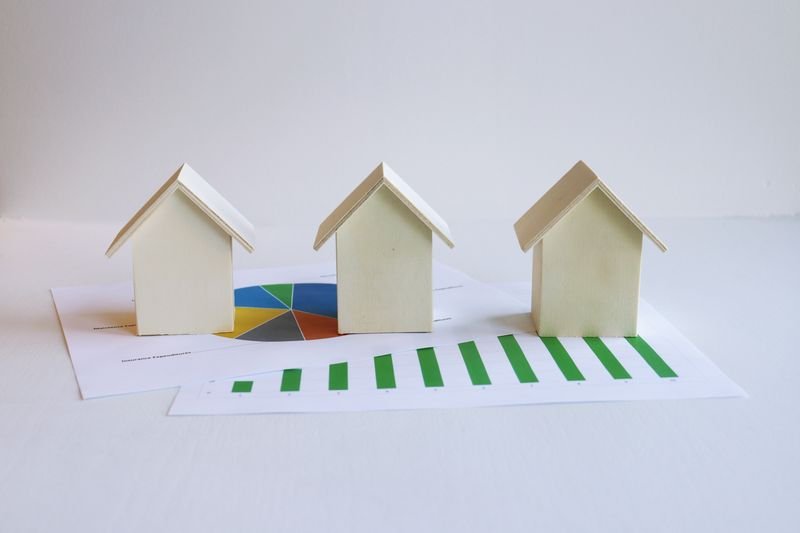
The number that settles the argument is the price-to-rent ratio. Abuja sits around 22 to 24 years, against the 15 to 18 years usually considered balanced. That is the one strong claim in this post, and it is just division: at this ratio, renting your way to the value of a home takes longer than a healthy market would require. For anyone with a stable income and a multi-year horizon in the city, that tilts the maths toward ownership. For anyone leaving soon, it does not matter at all.

Renting and buying side by side
The comparison is cleanest in a single view.
| Factor | Renting | Buying | |---|---|---| | Upfront cost | 1 to 2 years' rent in advance | Deposit, often 5% to 10%, plus instalments | | Ongoing cost | Rent renewal, often rising | Fixed instalments, then owned | | Equity built | None | Grows with every payment | | Exposure to rate hikes | Rent rises at renewal | None on a developer payment plan | | Flexibility to relocate | High | Lower, but the asset is sellable | | 5 to 10 year outlook | Cumulative spend, no asset | Asset appreciating 8% to 12% a year in strong districts |
Read the last row against the first. Renting keeps costing you a lump sum every year or two with nothing to keep. Buying, structured well, turns similar cash into an asset that should be worth more each year. That is the whole argument in two lines.

Rent if this is you
Renting is the right call in three clear cases.
- You expect to relocate within two to three years. Flexibility is worth more than equity you will not hold long enough to build.
- You are preserving capital for a business or further education. Tying it up in property could cost you the better opportunity.
- Your income is not yet stable enough to commit to fixed monthly instalments. Do not turn a housing decision into a cash-flow crisis.
If any of these describe you, rent without guilt. The math only favours buying when you are actually going to stay and pay.
Buy if this is you
Buying is the stronger position when the opposite holds.
- You plan to stay in Abuja for the medium to long term.
- You are tired of losing a yearly lump sum to a landlord with nothing to show for it.
- You can commit to a structured, interest-free payment plan instead of a high-interest bank mortgage.
For most salaried professionals and business owners settled in Abuja, the math increasingly favours buying, provided the purchase is structured sensibly, with a manageable deposit and realistic instalments, rather than a lump-sum bank loan above 20% interest.
When not to buy, even if the math says so
The numbers can favour buying and it can still be the wrong move. Here is when to hold off.
Do not buy a property whose title you cannot verify at the registry. This cancels every other advantage on the page. A great payment plan on land with a bad title means you are paying, on schedule, for something you may never legally own. We verify every title before we sell, and you should confirm it yourself before paying a naira, from us or anyone else.
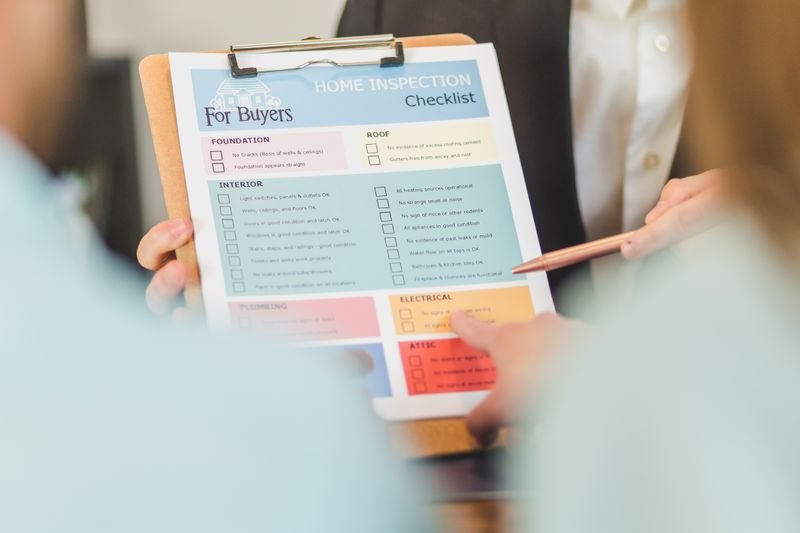
Do not stretch to a plan your income cannot survive a bad month against. An interest-free instalment is still an obligation, and defaulting can cost you both the home and what you have paid. And do not skip the physical checks in the excitement of finally buying: visit in the rains to rule out flooding, and confirm the access road is real. Both are easy to miss on a dry afternoon and expensive to discover later.

How we structure ownership without a bank
We built our model around the gap this whole post describes.
Rather than pushing buyers toward expensive commercial mortgages, we offer flexible, interest-free payment plans, with deposits as low as 5% to 10% and instalments spread over 6 to 24 months, on land and homes in fast-appreciating, well-connected locations like Lugbe and Solar City in Apo. We verify the title at the registry and confirm the seller's registration with the Corporate Affairs Commission before any plot reaches you. Our own number is RC 9023084, which you can check yourself.
We will also tell you to keep renting when that is the honest answer. If you might leave Abuja soon, or your income is not ready, we would rather you rented another year than signed a plan you may not be able to hold. Ownership should follow the math, not fight it.

Frequently asked
See the FAQ section below for short answers to the questions renters and buyers ask us most.

Still not sure? Send us a message.
Tell us how long you plan to stay in Abuja, your budget, and what you are paying in rent now. We will run the ownership numbers with you honestly, including the case for waiting, and show you what a payment plan would look like across our estates.
Pentagon Homes: +234 (90) 48098852. Open Monday to Saturday.
What buyers usually ask us
Is it better to rent or buy in Abuja?
If you plan to stay in Abuja for more than three to five years and your income is stable, buying usually wins, because Abuja's price-to-rent ratio of about 22 to 24 years means years of rent add up to a home's value with nothing to show for it. If you may relocate within two to three years, or your income is not yet steady, renting is the safer call.
Why do Abuja landlords ask for one to two years of rent upfront?
It is the local norm rather than a rule. Most Abuja landlords demand one to two years of rent in advance instead of monthly payment, which means renting here still needs a large lump sum, just one that builds you no equity. Budget for it the same way you would budget a deposit, because the cash requirement is similar.
How much do you need to buy a house in Abuja without a mortgage?
On a developer payment plan you can often start with a deposit of 5% to 10% of the price, then pay the balance in installments over 6 to 24 months, interest free. That is far less upfront than a bank mortgage, and it avoids commercial mortgage rates that currently run about 18% to 27% a year.
Is property in Abuja a good investment in 2026?
In the well-planned Phase 1 and Phase 2 districts, values have appreciated at a steady pace, commonly cited between 8% and 12% a year, helped by Abuja's master-plan structure. Rental yields are more modest, roughly 2% to 7% citywide, stronger in mid-market areas like Gwarinpa and Lugbe. So Abuja rewards buyers holding for appreciation more than those chasing rental income alone.
What is the price-to-rent ratio in Abuja?
Around 22 to 24 years, higher than the 15 to 18 years often considered a balanced market. In plain terms, it takes longer than ideal to rent your way to the value of a home, which tilts the medium-term maths toward owning for anyone with a stable income who is staying put.
Should I rent or buy if I might relocate from Abuja?
Rent. If there is a real chance you leave Abuja within two to three years, renting keeps you flexible and preserves your capital. Buying only pays off over a multi-year horizon, and while an Abuja property is sellable, you do not want to be forced to sell quickly in a soft month. Match the decision to how long you will actually stay.