
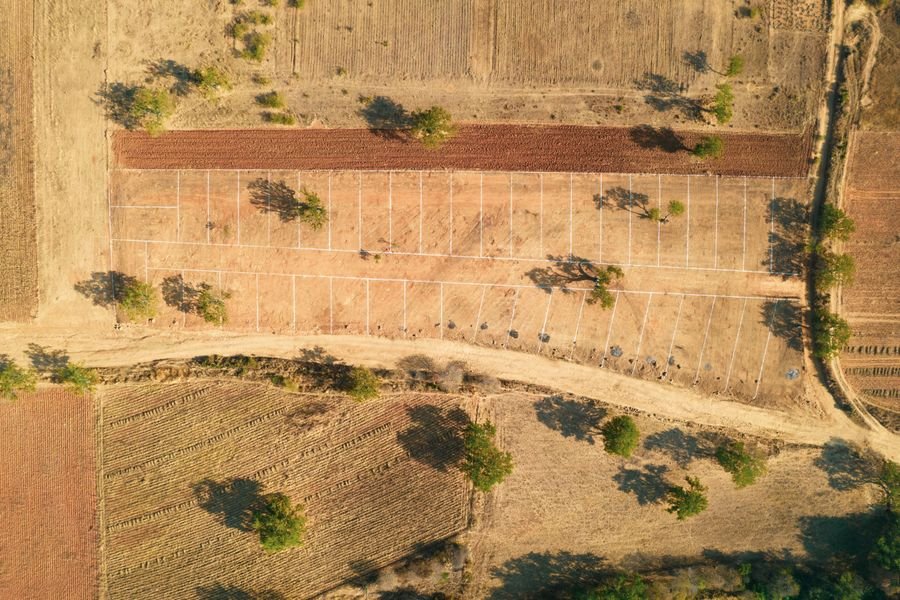
Land banking is buying undeveloped land and holding it until the area around it develops and the value rises. In Nigeria it works when the land has a clean title and funded infrastructure heading its way. It fails when either one is missing. Most of what you read about it online skips that second sentence.
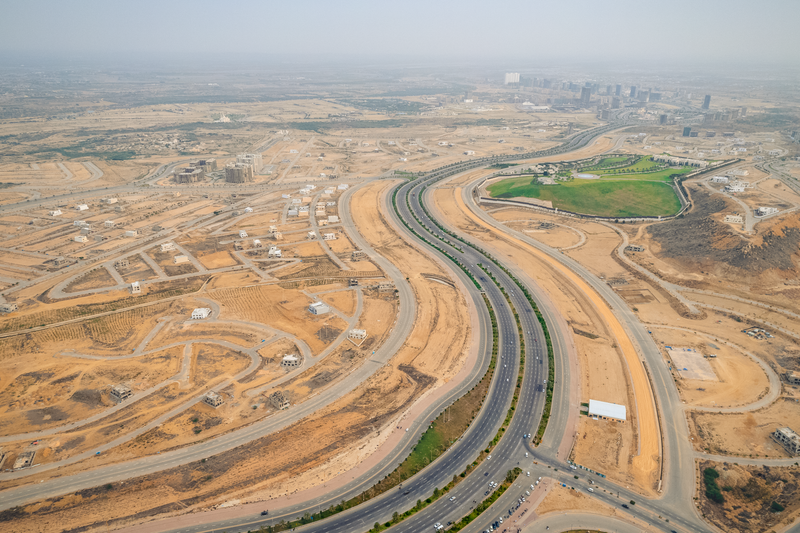
How land banking works, in plain English
You buy a plot in an area that is not yet built up. You do not build. You hold it while roads, estates, and neighbours arrive, then you sell or develop once the price reflects what the area has become.
The appeal is simple. There is nothing to maintain, no tenant to chase, and a smaller cheque than a finished house. That is why it suits people who want to own something real but cannot buy a completed property yet.
The catch is that nothing happens on its own schedule. You are betting that the area catches up, and you are betting on a date you do not control.
Land only appreciates where the infrastructure is funded
You will read that land appreciates over time regardless of location. BusinessDay quotes an estate surveyor saying exactly that. We do not agree.
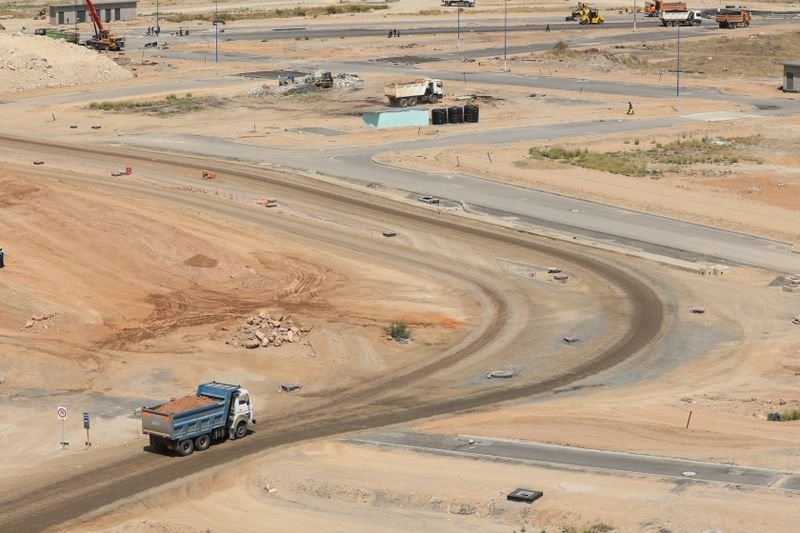
Buying early beats buying popular, but only when the infrastructure behind it is real. Abuja land is allocated by the FCDA, so it is finite. When funded roads and housing push demand into a corridor, prices follow, because nobody can create more land there. That is the case for the Airport Road corridor, where three of our six estates sit: Lugbe Estate, Peace City, and Comfort City in Kuje.
A corridor with active construction, a real road, and rising occupancy is growing. A corridor with a signboard and a promise is not, yet. Check what is on the ground before you check what is on the brochure.
Four ways land banking goes wrong
- The title does not verify. The plot looks fine and the paperwork does not hold up. If it fails at the registry, no other number matters. Our guide to land title documents in Nigeria shows what a valid one looks like.
- The land is under acquisition. Investors in Abuja and Lagos have lost land to government development-control policies, and those without proper documentation often receive little or no compensation. We cover how this happens in our post on Abuja land revocation.
- You cannot sell when you need to. A ThisDay opinion piece lists illiquidity among the core problems. A plot is not a bank balance. Buyers take time, and a slow market takes longer.
- Nobody is watching the plot. Land with no fence, no beacon, and no visits attracts squatters and boundary disputes. Holding costs time as well as money.
Each of these can be checked before you pay. That is worth knowing.

The checks to run before you pay
Do your checks in this order. Stop at the first failure.
- Run an AGIS search to confirm the plot is allocated and not under revocation or acquisition.
- Confirm the seller's right to sell. If the seller is a company, check its registration with the Corporate Affairs Commission.
- Ask for the title document itself, a C of O, R of O, or Governor's Consent. "It's in process" is not a title.
- Visit the site. Look for access roads, flooding, and neighbouring construction.
- Get a survey plan, and have a lawyer review the deed before money moves.
A discount on the plot is a reason to buy sooner. It is not a reason to skip any of these. Our full walkthrough is in how to buy land in Abuja.
When land banking is the wrong move
Here is when not to land bank.
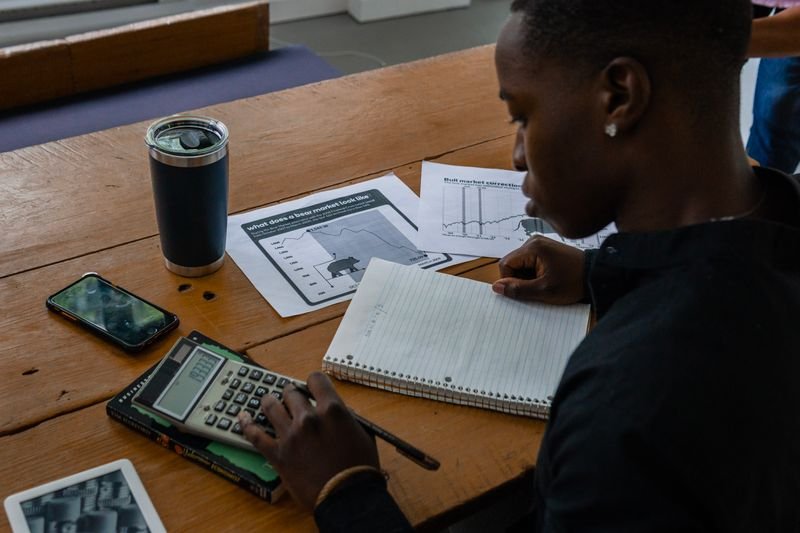
- You may need the money back within three years. Keep it somewhere more liquid.
- You cannot verify the title. Walk away, however good the price.
- The only argument for the area is a promise of future roads with no funding behind it.
- You want rental income now. Raw land earns nothing while you hold it. Our comparison of short-term vs long-term real estate investment shows what suits that goal.
How we approach land banking at Pentagon Homes
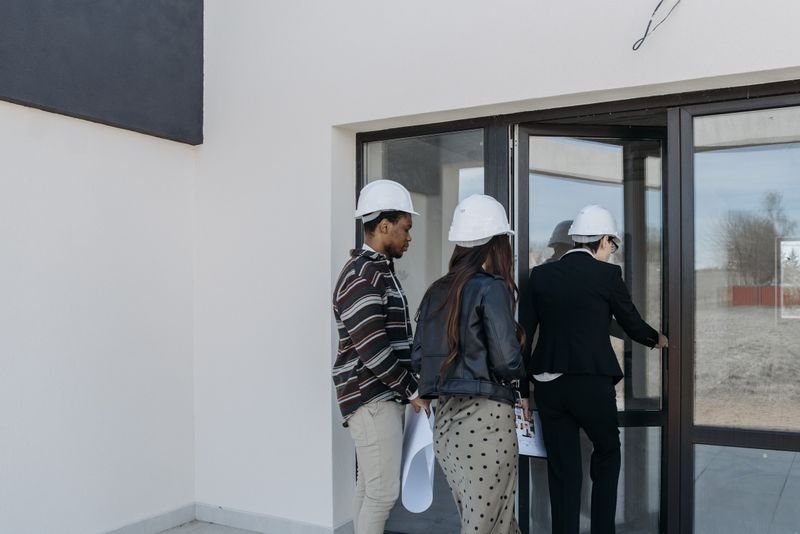
We verify every title before we list a plot. Our six estates are named and visitable: Royal Villa in Idu, King's Court in Kubwa, Comfort City in Kuje, Lugbe Estate, Peace City on Airport Road, and Solar City in Apo. Plot sizes run from 170sqm to 1000sqm depending on the estate.
We would rather lose a sale than hand you a document that does not hold up. If a plot does not suit a holding strategy, we will tell you. For a wider view of where to buy, read best areas to invest in Abuja.

What buyers usually ask us
See the FAQ section below for short answers to the questions we hear most about banking land in Nigeria.

Planning to bank land in Abuja? Send us a message
Tell us your budget, your timeline, and the area you have in mind. We will check it against the registry before we say yes.
Pentagon Homes: +234 (90) 48098852, WhatsApp or call. Open Monday to Saturday.
What buyers usually ask us
What is land banking in Nigeria?
Land banking is buying undeveloped land and holding it until the surrounding area develops and the value rises. You do not build on it. You wait for roads, estates, and demand to arrive, then sell or develop.
Is land banking profitable in Nigeria?
It can be, but not automatically. Returns depend on location, entry price, and a clean title. Land near funded infrastructure has a reason to rise. Land with only an announcement nearby may sit for years. Promoters who guarantee a return are selling, not advising.
How long should you hold banked land?
Plan for a minimum of three years, and be ready to hold longer. If you may need the money back sooner than that, land is the wrong place to keep it, because plots can take time to sell.
What are the risks of land banking in Nigeria?
The main ones are a title that does not verify, land under government acquisition or revocation, difficulty selling when you need to, and encroachment on a plot nobody is watching. Each one can be checked before you pay.
Can the government take land you have banked?
Yes, if the land is under acquisition or the title is defective. Investors with weak documentation tend to get little or no compensation. An AGIS search before purchase shows whether a plot is allocated and free of revocation.
How much money do I need to start land banking?
It depends on the plot. We sell from 170sqm to 1000sqm across six estates, and pricing varies by plot, so give us a call for current rates. Your budget should also cover title registration, survey, and fencing.